Hollowood Chemists

Rapid Weight Loss vs. Sustainable Weight Loss

Rapid Weight Loss vs. Sustainable Weight Loss: Which One Actually Works Long-Term?

Rapid Weight Loss vs. Sustainable Weight Loss: Which One Actually Works Long-Term?

Losing weight quickly can feel encouraging, especially when social media trends, celebrity transformations, and rapid-result diet programmes promise noticeable changes in a short amount of time. However, many people across the UK are now asking a more important question: does rapid weight loss actually last?

For most people, the goal is not just to lose weight, but to maintain a healthier weight in a safe and realistic way. Understanding the difference between rapid weight loss and sustainable weight loss can help you make informed choices that support both your immediate goals and your long-term wellbeing.

At Hollowood Chemists, patients seeking structured weight management support are increasingly looking for evidence-based approaches, including healthier lifestyle changes, pharmacy-led guidance, and clinically supervised treatments such as weight loss injections where appropriate.

What Is Rapid Weight Loss and Is It Safe?

Quick weight loss usually refers to losing a significant amount of weight within a short period of time, often through strict calorie restriction, intensive exercise plans, extreme dieting, or certain medical treatments.

However, according to the NHS, gradual and steady weight loss is generally considered safer and easier to maintain over the long term compared with highly restrictive approaches.

Common Rapid Weight Loss Methods

Many people searching online for Rapid weight loss tips or a Faster weight management diet, often come across methods such as:

  • Very low-calorie diets
  • Intermittent fasting
  • Meal replacement plans
  • Prescription weight loss medication
  • Weight loss pills marketed for rapid fat loss
  • Clinically assessed weight loss injections

Some medically supervised treatments may help support quicker initial results, particularly for individuals living with obesity or weight-related health conditions. However, rapid weight loss without professional guidance may increase the risk of:

  • Nutritional deficiencies
  • Muscle loss
  • Fatigue
  • Gallstones
  • Hormonal imbalance
  • Regaining weight after dieting

Can Weight Loss Injections Help?

Prescription-only weight loss injections such as Wegovy and Mounjaro are increasingly discussed across the UK as part of medically supervised weight management support.

These treatments are designed to help regulate appetite alongside healthier eating habits and increased physical activity. They are not intended to act as standalone “quick fixes”.

Patients should always seek advice from qualified healthcare professionals before beginning treatment.

The NICE obesity management guidelines recommend that weight management medicines should be used alongside behavioural and lifestyle support.


Book Weight Loss consultation

Understanding Sustainable Weight Loss: What Does It Actually Mean?

Sustainable weight loss refers to losing weight gradually through realistic lifestyle changes that can be maintained long term.

The NHS generally considers losing around 0.5kg to 1kg per week to be a safe and sustainable weight loss rate for many adults.

Key Features of Sustainable Weight Loss

A sustainable approach commonly includes:

  • Balanced nutrition
  • Regular physical activity
  • Better sleep habits
  • Stress management
  • Long-term behavioural changes
  • Realistic calorie control

Rather than focusing solely on rapid changes on the scales, sustainable weight loss aims to improve:

  • Energy levels
  • Metabolic health
  • Blood sugar control
  • Heart health
  • Overall wellbeing

Also Read: Mounjaro vs Wegovy which weight loss injection is right for you

Why Sustainable Weight Loss Often Works Better Long-Term

Many rapid weight loss diets can be difficult to maintain over the long term. Once restrictive eating habits stop, people often regain the weight they initially lost. This is why sustainable weight loss is generally considered a more effective approach for long-term weight management.

Long-term success often depends on:

  • Consistency rather than perfection
  • Sustainable lifestyle habits rather than temporary dieting
  • Ongoing support and accountability
  • Personalised healthcare advice

Rapid Weight Loss Tips: That Won’t Backfire

Although extreme dieting is not usually recommended, there are healthier, evidence-based approaches that may help support weight loss progress without compromising your overall wellbeing. 

Prioritise Protein Intake

Including enough protein in your diet may help to:

  • Preserve muscle mass during weight loss
  • Increase feelings of fullness
  • Reduce overeating and unnecessary snacking
  • Support healthy and sustainable weight management

Good sources of protein include:

  • Eggs
  • Fish
  • Lean poultry
  • Greek yoghurt
  • Beans
  • Lentils

A balanced, high-protein diet may also help support long-term weight loss goals when combined with regular physical activity and healthy lifestyle habits.


Get Personalised Weight Loss Support


Reduce Ultra-Processed Foods

Foods high in added sugar and refined carbohydrates may contribute to overeating, cravings, and unstable energy levels, which can make healthy weight management more difficult. 

Instead, focus on:

  • Vegetables
  • Whole grains
  • Fibre-rich foods
  • Healthy fats
  • Staying hydrated

Increase Daily Movement

Sustainable physical activity does not necessarily require intense gym routines or extreme exercise programmes.

Practical options include:

  • Walking
  • Cycling
  • Swimming
  • Resistance training
  • Home workouts

Avoid Crash Diets

Highly restrictive or crash diets may lead to: 

  • Fatigue and low energy levels
  • Binge eating or unhealthy eating habits
  • Slower metabolism
  • Difficulty maintaining long-term weight loss results

Safe and sustainable weight loss is generally more effective for supporting long-term health and healthy weight management.

The Truth About Weight Loss Pills Marketted for Rapid Weight Loss

Searches for weight loss pills to lose weight quickly continue to rise across the UK. However, not all products sold online are safe or medically approved. Prescription weight loss treatments should only be used when clinically appropriate following a medical consultation.

Prescription vs Non-Prescription Products

Some prescription medications may support weight management when used under medical supervision. However, unregulated products sold online can carry serious health risks.

Patients are advised to avoid:

  • Unlicensed slimming tablets
  • “Miracle” weight loss products promoted on social media
  • Supplements containing unknown or unverified ingredients

The MHRA regularly warns consumers about counterfeit or unsafe weight loss products sold online.

Are Weight Loss Injections Suitable for Everyone?

Prescription weight loss injections Wegovy and Mounjaro may be considered for some adults with:

  • Obesity
  • Weight-related medical conditions
  • Difficulty losing weight through lifestyle changes alone

However, suitability depends on:

  • BMI
  • Medical history
  • Current medication
  • Clinical assessment

At Hollowood Chemists, consultations for weight management support are designed to ensure treatments are clinically appropriate and aligned with UK prescribing guidance.

Serving Communities Across the North West and Beyond

People searching for weight loss treatment in the North West UK are increasingly looking for accessible, professional healthcare support closer to home, with convenient access to trusted advice, personalised treatment options, and ongoing weight management support.

Hollowood Chemists supports patients across:

  • St Helens: Garswood, Heatons, Millfields, Haydock, Bradlegh
  • Wigan: Moorside, Mesnes, Ince, Blackrod (Blackhorse)
  • Bolton: Market
  • Trafford: Sale, Village
  • Northwich: Barnton
  • Crewe: West Street Pharmacy
  • Staffordshire: Clayton


Medication weight loss service

How Long Should You Be Intermittent Fasting for Weight Loss?

Intermittent fasting has become one of the most discussed weight loss methods in recent years.

Common approaches include:

  • 12:12 fasting
  • 14:10 fasting
  • 16:8 fasting

However, fasting is not suitable for everyone. Certain individuals should speak with a healthcare professional before trying fasting methods, including:

  • Pregnant women
  • People living with diabetes
  • Individuals with a history of eating disorders
  • Those taking certain medications

The NHS generally encourages balanced nutrition and sustainable calorie management rather than extreme dietary restriction. For beginners, taking a gradual approach and focusing on healthier meal choices may be safer than starting with prolonged fasting periods.

The Best Diet for Sustainable Weight Loss

There is no single “perfect” diet that works for everyone. The most effective sustainable diet is usually one that:

  • Meets nutritional needs
  • Fits around everyday routines
  • Can realistically be maintained long term

Features of a Sustainable Diet for Weight Loss

A balanced approach commonly includes:

  • Fruit and vegetables
  • Lean protein
  • Whole grains
  • Healthy fats
  • Portion awareness

Diets Often Recommended in Research

Some evidence-supported dietary approaches include:

  • Mediterranean-style diets
  • Calorie-controlled balanced diets
  • Higher-protein eating plans
  • Fibre-rich diets

Rather than cutting out entire food groups, moderation and consistency are usually more effective.

Also Check: Safe and Effective Weight-Loss injections across the North West UK

Who may benefit from a pharmacy weight loss consultation?

Hollowood chemists pharmacy weight loss consultation may be suitable for adults who are struggling to lose weight through lifestyle changes alone, have concerns about their BMI or overall health, or are looking for structured professional support. Some patients may also wish to discuss clinically supervised treatment options such as weight loss injections alongside healthier eating habits, physical activity, and long-term weight management strategies.

When to Seek Medical Attention During Weight Loss Treatment

Safe weight management should focus on long-term health as well as sustainable results. While many people begin a weight loss programme without experiencing any issues, certain symptoms should never be ignored.

You should seek medical advice if you experience:

  • Severe abdominal pain
  • Persistent vomiting
  • Dizziness or fainting
  • Chest pain
  • Signs of dehydration
  • Ongoing digestive symptoms
  • Rapid or unexplained weight loss 

Personalised Weight Loss Support


Individuals using prescription weight loss injections or following restrictive dieting plans should be particularly cautious. If symptoms worsen or begin to interfere with daily life, it is important to seek professional medical guidance promptly.

Prioritising your health throughout your weight management journey can help ensure that any concerns are addressed early and safely.

Professional guidance is also recommended before starting treatment if you:

  • Have diabetes
  • Live with thyroid conditions
  • Take regular medication
  • Have a history of eating disorders
  • Have underlying medical conditions

At Hollowood Chemists, weight management consultations provide personalised support tailored to your individual health needs, lifestyle, and current UK prescribing guidelines.

Before starting weight loss treatment or making significant dietary changes, it is important to consult a qualified healthcare professional, especially if you have underlying health conditions or take regular medication.

Clinically supervised weight management can help ensure treatment is safe, balanced, and appropriate for your individual circumstances.

Rather than following extreme diet trends or using unregulated products bought online, evidence-based advice, healthy lifestyle changes, and ongoing support are generally safer and more sustainable approaches to weight management.


Weight loss service


Conclusion

Rapid weight loss may feel encouraging at first, but sustainable weight loss is usually more effective for supporting long-term health and wellbeing.

For some people, clinically assessed treatments such as prescription weight loss injections may support a wider weight management plan. However, lasting results often come from consistent habits, realistic goals, and the right professional support.

Whether someone is considering dietary changes, exercise, intermittent fasting, or medical treatment options, safe and evidence-based guidance should always come first.


Related Read: Can You Take Weight Loss Medication and Period Delay Tablets Together?


Frequently Asked Questions

Q.1: What is the safest rate of weight loss according to UK health guidelines?

The NHS generally recommends gradual weight loss of around 0.5kg to 1kg per week for many adults, as this is considered safer and easier to maintain long term.

Q.2: How long does it typically take to see sustainable weight loss results?

Many people notice changes within several weeks. However, sustainable weight loss is usually measured over months rather than days.

Q.3: Is intermittent fasting a good weight loss method for beginners?

Intermittent fasting may help some individuals manage calorie intake, but it is not suitable for everyone. Beginners should start gradually and seek professional advice if they have underlying health conditions.


Weight Loss Treatment – Frequently Asked Questions


Medical Disclaimer

This article is for informational purposes only and does not constitute medical advice. Always consult a qualified healthcare professional before starting, stopping, or combining any medications.

References
 

Ebola Virus

Ebola Virus: Symptoms, Prevention, Treatment & UK Travel Advice

Ebola Virus: Symptoms, Prevention, Treatment & UK Travel Advice

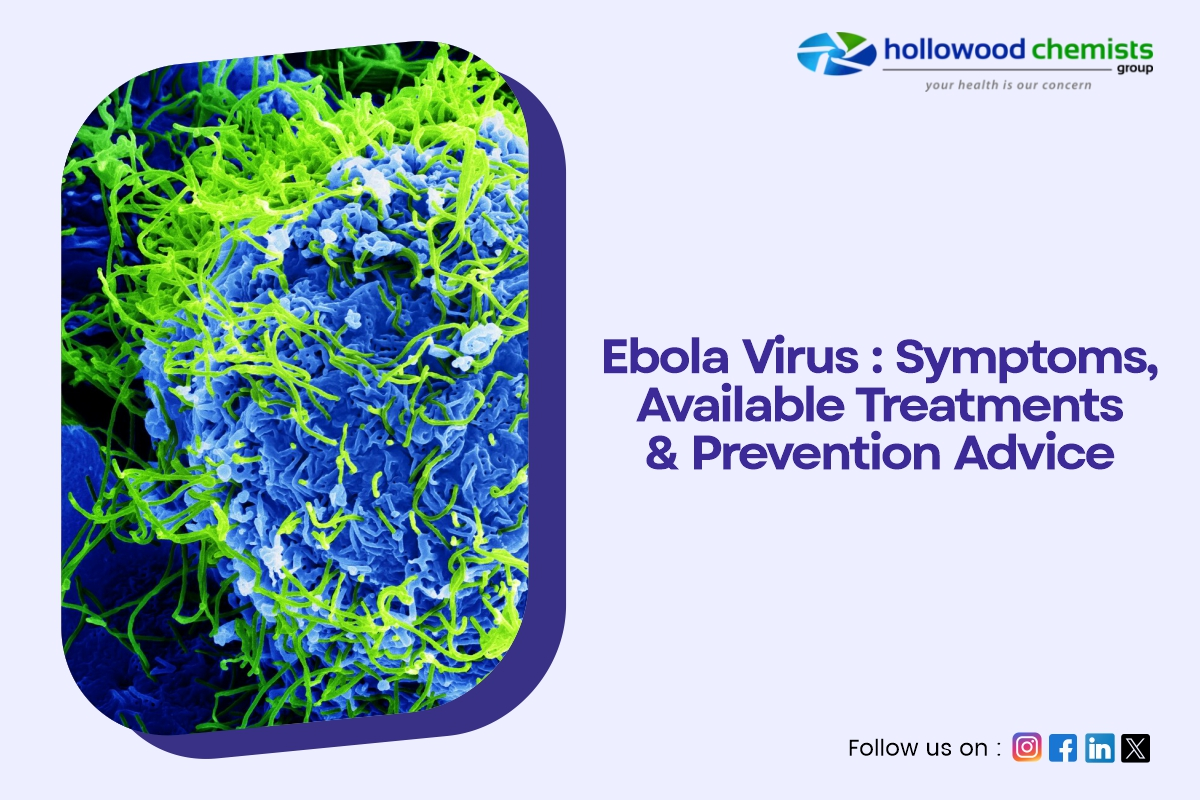
Ebola virus disease (EVD) is a rare but severe and often fatal illness caused by infection with one of the Ebola virus strains. Recent WHO alerts and ongoing monitoring of outbreaks in Central Africa have renewed public concern about transmission risks and international travel safety. Whilst Ebola remains geographically limited, understanding its symptoms, transmission routes, and prevention methods is essential for UK residents, particularly those planning international travel to affected regions.

This guide covers everything you need to know about Ebola, including how it spreads, early warning signs, comparison with other viral diseases, and practical prevention steps. Many UK residents also seek guidance from trusted pharmacies such as Hollowood Chemists for travel health advice, vaccinations, and general infection-prevention support.

What Is Ebola Virus Disease (EVD)?

Ebola virus disease is a serious and often fatal illness in humans and other primates, caused by infection with one of the Ebola virus species. The condition is characterised by sudden onset of fever, intense weakness, muscle pain, and headache, followed by rash, vomiting, diarrhoea, impaired kidney function, and in some cases, internal and external bleeding.

Three major ebola virus species are known to cause large Ebola outbreaks:

  • Ebola virus (EBOV)
  • Sudan virus (SUDV)
  • Bundibugyo virus (BDBV)

The average fatality rate is around 50%, although past outbreaks have ranged from 25% to 90% depending on healthcare access and outbreak management.

How Does Ebola Spread?

Ebola virus disease spreads through direct contact with the blood or body fluids of infected people or animals. According to WHO, the virus is believed to originate from infected animals, especially fruit bats, and can spread from person to person through close contact.

The virus enters the body through broken skin or mucous membranes such as the eyes, nose, or mouth.

Ebola Can Spread Through:

  • Blood
  • Vomit
  • Urine
  • Saliva
  • Sweat
  • Breast milk
  • Semen
  • Contaminated surfaces or objects

Because Ebola is highly infectious through direct contact, strict hygiene practices and proper protective equipment are essential for preventing transmission. 

Key takeaway: Ebola requires direct contact with bodily fluids; it does not spread through casual contact alone.

Where Ebola Outbreaks Usually Occur

Ebola outbreaks have primarily occurred in remote villages in Central and West Africa, particularly in countries including Democratic Republic of the Congo, South Sudan, Uganda, Liberia, Guinea, and Sierra Leone. Zoonotic spillover events, where the virus jumps from infected animals (primarily fruit bats) to humans, typically trigger outbreaks.

Is Ebola Airborne?

No. Ebola is not airborne. The virus does not spread through air, water, or food prepared safely and cooked thoroughly. Ebola is not considered an airborne virus and does not spread in the same way as respiratory viruses such as COVID-19 or influenza. This is a crucial distinction that separates Ebola from illnesses like COVID-19 and influenza, significantly reducing transmission risk in healthcare and community settings.

Key takeaway: Ebola transmission requires direct contact with infected blood or bodily fluids, not airborne particles.

Early Symptoms of Ebola Virus

Common Early Warning Signs

Early Ebola symptoms typically appear between 2 to 21 days after exposure to the virus.

Initial symptoms include:

  • Sudden onset of fever (38.3°C or higher)
  • Severe fatigue and weakness
  • Severe fatigue
  • Muscle pain
  • Headache and dizziness
  • Nausea and vomiting
  • Sore throat

These early signs can resemble flu or other febrile illnesses, making initial diagnosis challenging without specific testing.

Severe Ebola Symptoms

As the disease progresses, more severe symptoms develop:

  • Rash on the skin (typically appearing between days 5–7)
  • Impaired kidney function
  • Impaired liver function
  • Severe internal and external bleeding
    ( Blood in vomit or stool
    Bleeding from gums or nose )
  • Shock and multi-organ failure in severe cases
  • Diarrhoea 

Some patients may also experience confusion, aggression, or irritability due to nervous system involvement.

How Is Ebola Diagnosed?

Ebola virus disease is diagnosed through laboratory testing, as its symptoms can be similar to other infections such as malaria or typhoid. WHO-approved laboratory tests such as RT-PCR, antigen detection tests, and ELISA tests to confirm Ebola infection.

Because Ebola is highly infectious, all testing must be carried out under strict biosafety procedures.

How Long Does Ebola Take to Show Symptoms?

The incubation period – the time between infection and symptom onset – ranges from 2 to 21 days, with an average of 8 to 10 days. This window is critical for contact tracing and quarantine procedures, as individuals are generally not considered infectious until symptoms develop. 

Key takeaway: Symptoms typically appear within 2–3 weeks of exposure; seek medical attention immediately if you develop fever after potential exposure.

How Dangerous Is Ebola Compared to COVID-19?

Ebola vs COVID-19 Transmission

Both Ebola and COVID-19 are viral diseases, but their transmission profiles differ significantly. COVID-19 spreads readily through respiratory droplets and aerosols, making it highly transmissible between individuals in close proximity. Ebola, conversely, requires direct contact with blood or bodily fluids, limiting spread to healthcare workers, family caregivers, and those in close physical contact with infected persons.

Fatality Rate Comparison

Ebola fatality rates range from 25% to 90% depending on the virus strain and quality of supportive care. COVID-19 fatality rates are considerably lower, typically 1–2% in well-resourced healthcare systems, though this varies by age and comorbidity.

The 2014–2016 West African Ebola epidemic resulted in approximately 11,000 deaths out of 28,000 cases, illustrating the severity of Ebola when medical infrastructure is limited. Despite its higher case fatality rate, Ebola’s non-respiratory transmission and limited geographic spread make it far less likely to cause global pandemics compared to respiratory viruses.

Which Virus Spreads Faster?

COVID-19 spreads significantly faster due to respiratory transmission, capable of infecting large populations within weeks. Ebola spreads more slowly, requiring direct contact and typically remaining geographically contained. This fundamental difference explains why COVID-19 became a global pandemic whilst Ebola outbreaks remain regional.

Key takeaway: Ebola is more severe but less contagious than COVID-19.

Ebola Compared With Other Serious Illnesses

Ebola vs COVID-19: Comprehensive Comparison

Characteristic Ebola Virus COVID-19
Transmission Direct bodily fluid contact Respiratory droplets/aerosols
Contagiousness Low (direct contact required) Very high (respiratory spread)
Incubation period 2–21 days (avg 8–10) 2–14 days (avg 5–6)
Case fatality rate 25–90% (avg 50%) 1–2% (well-resourced systems)
Geographical spread Limited to endemic regions Global pandemic capability
Spread velocity Slow (contact-based) Rapid (respiratory)
Healthcare workers risk High (with exposure) Moderate (with PPE)
Vaccine availability Limited (Ervebo approved) Widely available globally
Treatment Supportive care + monoclonal antibodies Antivirals + supportive care


How to Prevent Ebola Virus Infection?

Preventing Ebola virus disease mainly involves maintaining strict hygiene, avoiding direct contact with infected body fluids, and isolating infected patients quickly. Early prevention measures play a major role in reducing the spread of the virus during outbreaks. 

  • Hand Hygiene and PPE

Maintaining rigorous hand hygiene is the cornerstone of Ebola prevention. Regular handwashing with soap and water for at least 20 seconds, particularly after potential contact with body fluids, significantly reduces transmission risk. 

Recommended personal protective equipment (PPE) Includes:

  • Gloves
  • Protective gowns
  • Face masks or respirators
  • Eye protection or face shields
  • Avoid Contact With Infected Body Fluids

Ebola spreads through direct contact with infected blood and body fluids. Even small amounts of contaminated fluid can transmit the virus if it enters the body through broken skin, the eyes, nose, or mouth.

Avoid Direct Contact With:

  • Blood
  • Vomit
  • Saliva
  • Sweat
  • Semen
  • Urine
  • Breast milk
  • Contaminated surfaces or medical equipment
  • Maintain Strict Hygiene Practices

Good hygiene practices play a critical role in preventing Ebola outbreaks in homes, hospitals, and communities.

Important Hygiene Measures Include:

  • Wash hands frequently with soap and water
  • Use alcohol-based hand sanitisers where appropriate
  • Regularly disinfect surfaces and medical equipment
  • Wear gloves when handling potentially contaminated materials
  • Safely dispose of medical waste and contaminated clothing
  • Avoid High-Risk Exposure

Reducing exposure to high risk environments and infected individuals is essential during Ebola outbreaks.

Key Prevention Measures:

  • Avoid handling ill or deceased persons without PPE
  • Do not touch bats, monkeys, or other wildlife in endemic areas
  • Avoid bushmeat and uncooked animal products
  • Avoid direct contact with anyone showing Ebola symptoms
  • Follow public health guidance during outbreaks
  • Avoid Raw or Undercooked Bushmeat

Ebola outbreaks are believed to sometimes begin through contact with infected wild animals.

Avoid Consuming:

  • Raw bushmeat
  • Undercooked meat from wild animals
  • Bats
  • Monkeys
  • Primates from outbreak regions

Proper cooking and safe food handling practices are important for reducing potential exposure to zoonotic diseases.

Safe Food and Travel Practices

Consume thoroughly cooked meat and avoid bushmeat, particularly in endemic regions. Handle animal products with care and ensure proper food hygiene. Travellers should exercise vigilance when visiting areas with active Ebola transmission and follow UK Health Security Agency (UKHSA) travel advisories.

How Pharmacies Can Help With Prevention

UK travellers often visit Hollowood Chemists for travel-health support, vaccination guidance, and infection-prevention essentials before international travel. Pharmacists can assess travel risks, recommend appropriate preventive measures, provide antimalarial medication, and advise on safe hygiene practices.

Key takeaway: Prevention centres on avoiding direct contact with infected blood and bodily fluids through rigorous hygiene and cautious behaviour in endemic regions.

What Should You Do If You Have Ebola Symptoms?

If you think you may have Ebola:

  1. Isolate yourself immediately
  2. Avoid physical contact with others
  3. Contact emergency healthcare services
  4. Do not travel
  5. Wear a mask and protective clothing if possible
  6. Inform healthcare workers about travel history or exposure

When to Contact NHS 111 or a GP

If you develop fever and other symptoms following potential Ebola exposure, particularly after travel to endemic regions, contact NHS 111 immediately or your GP. Do not visit a hospital or medical facility in person without first alerting healthcare professionals. NHS 111 advisors will provide guidance on assessment and isolation protocols.

Self-Isolation Guidance

If Ebola is suspected, isolate yourself immediately to prevent transmission to household members. Maintain separate living areas, use dedicated toilets, and avoid sharing personal items. Wash all soiled clothing and linens at high temperature. Healthcare professionals will provide specific isolation instructions based on your circumstances.

Emergency Warning Signs

Seek emergency medical attention if you experience severe bleeding, difficulty breathing, shock, or multi-organ failure symptoms. Call 999 or attend an accident and emergency if life-threatening symptoms develop.

Key takeaway: Early medical contact and immediate isolation are critical if Ebola is suspected.

Ebola Treatment and WHO-Approved Vaccines

There is currently no universal cure for Ebola virus disease, but early treatment and supportive care can improve survival rates significantly.

Supportive Care Includes:

  • IV fluids and rehydration
  • Oxygen support
  • Pain management
  • Nutritional support
  • Treatment of secondary infections

WHO also recommends monoclonal antibody treatments such as Inmazeb and Ansuvimab for Ebola virus disease caused by the EBOV strain.

WHO-Approved Ebola Vaccines:

  • Ervebo
  • Zabdeno and Mvabea

The Ervebo vaccine is recommended during Ebola outbreak response programmes, while additional vaccines are still under development for other Ebola virus strains.

Care for Ebola Survivors

Many survivors continue to experience long-term physical and psychological complications.
Read: Clinical care for survivors of Ebola virus disease

Possible Long-Term Effects

  • Joint pain
  • Vision problems
  • Fatigue
  • Anxiety
  • Depression
  • Neurological symptoms

WHO also notes that the virus may remain in certain body parts, including:

  • Eyes
  • Brain
  • Testicles

Ebola virus transmission through semen has been documented for up to 15 months after recovery. WHO recommends semen testing and safer sex practices for male survivors.

Safe Travel Practices for Endemic Regions

Pre-Travel Preparation:

Before travelling to Ebola-endemic areas, consult Fit for Travel or your GP for destination-specific risk assessment. Many UK residents visit Hollowood Chemists for:

  • Pre-travel health consultations
  • Recommended vaccinations
  • Antimalarial prophylaxis if indicated
  • PPE supplies and hygiene products
  • Post-travel health advice

During Travel:

  • Maintain meticulous hand hygiene (wash frequently with soap/water)
  • Avoid healthcare facilities unless absolutely necessary (higher viral transmission risk)
  • Avoid crowds and large social gatherings
  • Practise respiratory hygiene (cough etiquette, though Ebola is not airborne)
  • Maintain physical distance from persons displaying fever or illness
  • Avoid contact with animals, particularly in rural areas

Key Summary and Health Recommendations

Ebola virus disease remains a severe public health threat in Central and West Africa, with case fatality rates of 25–90% depending on virus strain and healthcare access. However, UK residents face minimal risk due to geographic isolation, strong healthcare infrastructure, and non-airborne transmission routes.

Essential facts:

  • Ebola requires direct bodily fluid contact – not airborne
  • Early supportive care significantly improves outcomes
  • Prevention through behaviour (avoiding animal contact, bushmeat, unsafe practices) is highly effective
  • Vaccines available for occupational risk groups
  • Post-travel monitoring essential for 21 days if visiting endemic regions

For UK travellers to endemic areas: Consult Fit for Travel and travel health clinics 4–6 weeks pre-travel. Visit Hollowood Chemists for travel vaccinations, antimalarial prescriptions, and hygiene supplies. Upon return, monitor health for 21 days and seek immediate medical evaluation if fever develops.


Frequently Asked Questions About Ebola

Q.1 Can Ebola spread through the air?

No, Ebola does not spread through air, water, or food. The virus requires direct contact with blood or body fluids of an infected person. This is why careful hand hygiene and PPE in healthcare settings effectively prevent transmission.

Q.2 Is Ebola curable?

There is no specific cure for Ebola. Treatment focuses on providing supportive care, maintaining fluid balance, oxygen levels, blood pressure, and treating complications as they arise. Early supportive care significantly improves survival rates.

Q.3 Is there an Ebola vaccine?

Yes. The rVSV-ZEBOV vaccine (Ervebo) is currently approved in several countries, including the UK, for vaccination against Ebola. The vaccine is primarily recommended for healthcare workers and those at occupational risk in endemic regions.

Q.4 Can Ebola reach the UK?

Ebola is unlikely to become established in the UK due to strong healthcare infrastructure, infection-control protocols, and geographic isolation from endemic areas. However, imported cases may occur in returning travellers, requiring swift detection and isolation procedures. The NHS and UKHSA maintain surveillance and response systems for such scenarios.

Q.5 What countries currently have Ebola cases?

Ebola outbreaks are primarily reported in Central and West African nations, including Democratic Republic of the Congo, Uganda, and South Sudan. For current outbreak information, consult the WHO and Fit for Travel (NHS travel health service).

Q.6 What precautions should travellers take for Ebola?

Before travelling to endemic regions, consult Fit for Travel or your GP for destination-specific advice. Practise rigorous hand hygiene, avoid handling animals and bushmeat, and seek immediate medical attention if fever develops. Many people consult pharmacies such as Hollowood Chemists for travel vaccinations and health guidance before international travel.

Q.7 Is Ebola curable?

No specific cure exists for Ebola. However, early supportive medical care significantly improves survival rates. With modern intensive supportive care, including IV fluid management, oxygen therapy, blood transfusions, and treatment of complications, survival rates can exceed 60%. Emerging monoclonal antibody therapies show promise when given early in disease courses.

Q.8 What precautions should travellers take?

Essential precautions for travellers to endemic regions:

  • Avoid all animal contact, particularly bats, primates, and bushmeat
  • Consume only thoroughly cooked food
  • Maintain meticulous hand hygiene
  • Avoid hospitals unless absolutely necessary
  • Practise respiratory hygiene (though Ebola is not airborne)
  • Monitor temperature daily
  • Seek medical evaluation immediately if fever develops
  • Consult Fit for Travel or your GP pre-travel
  • Visit Hollowood Chemists for travel health assessment, vaccinations, and supplies.


Source Link:

  1. World Health Organization (WHO). Ebola virus disease. Health topic overview. Available at: https://www.who.int/en/health-topics/ebola/ebola
  2. UK Health Security Agency (UKHSA) . Infectious disease guidance and surveillance. Available at:
    https://www.gov.uk/government/publications/ebola-overview-history-origins-and-transmission/ebola-overview-history-origins-and-transmission
  3. NHS UK . Ebola virus disease. Available at: https://www.nhs.uk/conditions/ebola/
  4. UK Government Department of Health and Social Care. Public health preparedness for emerging infectious diseases. Policy guidance. Available at: https://www.gov.uk/government/organisations/department-of-health-and-social-care 
  5. Medicines and Healthcare products Regulatory Agency (MHRA). Ervebo vaccine approval and guidance. Product information. Available at: https://www.gov.uk/government/organisations/medicines-and-healthcare-products-regulatory-agency
  6. National Institute for Health and Care Excellence (NICE) . Infectious disease management guidance. Clinical guidelines. Available at: https://www.nice.org.uk


Disclaimer:
This article is for informational purposes only. Always consult your GP, NHS 111, or a qualified healthcare professional before making any decisions about your health or suspected Ebola symptoms. If you suspect you have Ebola, seek emergency medical attention immediately.
Travellers should always check the latest UK Fit for Travel and FCDO guidance before visiting affected regions.

Essential Vaccinations for Travelling to the UK

Essential Vaccinations for Travelling to the UK: What You Need to Know

Essential Vaccinations for Travelling to the UK: What You Need to Know

Travelling to the United Kingdom for work, study, relocation or a holiday? One of the most common questions people search for is “Do I need vaccines to travel to the UK?”

The UK does not usually require mandatory vaccinations for entry. However, being fully protected with the right immunisations is still extremely important. It protects you, your family and the wider community.

As a long-established and trusted pharmacy group serving St Helens, Wigan, Bolton, Trafford, Northwich, Crewe and Staffordshire, Hollowood Chemists provides clear, evidence-based guidance aligned with NHS and UK Health Security Agency (UKHSA) recommendations. Our aim is simple: to give you straightforward information without confusion, so you can travel confidently.

Do You Need Vaccines to Enter the UK?

For most travellers:

  • There are no compulsory vaccines required for entry into the UK
  • A yellow fever vaccination certificate is only required if you are arriving from a country where yellow fever is present
  • There is no malaria risk in the UK

Many people search “UK entry vaccine requirements”. In most cases, the answer is reassuringly simple: routine vaccinations are what matter most.

However, immigration rules may require TB (tuberculosis) screening for long-term visa applicants from certain countries.


Advanced Services


Why Routine Vaccinations Still Matter

Even though the UK has strong public health systems, outbreaks of certain infections still occur. Measles cases, for example, have increased in parts of England in recent years.

1. MMR (Measles, Mumps and Rubella)

  • Two documented doses are recommended
  • Protects against measles outbreaks
  • Especially important for children, young adults and students

Measles spreads easily in airports, universities and schools. Ensuring you have had both MMR doses significantly reduces your risk.

2. Tetanus, Diphtheria and Polio (Td/IPV Booster)

  • Booster usually recommended every 10 years for travellers
  • Protects against serious infections from wounds or injuries
  • Forms part of standard UK travel health advice

Many people searching travel clinic near me or “travel jabs UK” are advised to check their tetanus status first.

3. COVID-19 Vaccination

Depending on current NHS guidance and eligibility, COVID-19 booster doses may be recommended for certain groups, including older adults and vulnerable individuals.


Private COVID Vaccination

4. Seasonal Flu Vaccine

If travelling during autumn or winter, flu vaccination may be advised, particularly if you are:

  • Over 65
  • Pregnant
  • Living with a long-term health condition


Book Flu Vaccination

Additional Vaccines Based on Your Stay

While not required for UK entry, some vaccinations may be appropriate depending on your situation.

Hepatitis B

Often searched as “Hepatitis B vaccine for long stays in the UK”, this may be recommended for:

  • Healthcare workers
  • Long-term residents
  • Students
  • Individuals undergoing medical treatment

Meningococcal ACWY (MenACWY)

Particularly important for:

  • International students
  • Those entering UK university halls of residence

Many universities recommend or require proof of MenACWY vaccination.


Essential services

Tuberculosis (TB) Screening

If you are applying for a long-term visa from certain countries, you may need a TB certificate before travel. This is an immigration requirement rather than a routine vaccination.

When Should You Arrange Vaccinations?

A frequently searched question is “How early should I get travel vaccines?”

NHS guidance recommends:

  • Ideally 6–8 weeks before travel
  • Even if travelling at short notice, seek advice as soon as possible
  • Some vaccines require multiple doses over time

Early preparation ensures full protection and avoids last-minute stress.


Private Travel clinic


Why Choose a Trusted Pharmacy for Travel Advice?

Choosing a trusted pharmacy for travel advice ensures you receive accurate, professional guidance based on current UK health recommendations. At Hollowood Chemists, qualified pharmacists can assess your destination, medical history, and vaccination needs to help you stay protected while travelling. Reliable advice from a pharmacy helps you prepare safely and confidently for your trip abroad.

What matters most is receiving advice that is:

  • Based on official NHS and UKHSA guidance
  • Tailored to your medical history
  • Delivered by trained healthcare professionals

Hollowood Chemists has served communities across North West England for decades. Our pharmacist-led travel clinics provide structured consultations that review:

  • Your vaccination history
  • Your travel plans
  • Your personal health circumstances


Book Private Travel Vaccinations

We believe clear information builds confidence. Our role is not to overwhelm you with unnecessary vaccines, but to provide accurate, relevant advice so you can make informed decisions.

Final Guidance

The UK does not impose extensive vaccine entry requirements. However, ensuring you are fully immunised protects both you and the communities you join..

At Hollowood Chemists, our priority is simple: accurate advice, delivered clearly, so you can travel safely and confidently.


Frequently Asked Questions

Q1. Do I need vaccines to travel to the UK?

No mandatory vaccines are required for most travellers, but routine immunisations should be up to date.

Q2. Is yellow fever vaccination required for the UK?

Only if arriving from a country where yellow fever transmission occurs.

Q3. Is there malaria in the UK?

No, there is no malaria transmission in the UK.

Q4. Can I get vaccinated after arriving in the UK?

Yes, depending on your residency status and eligibility for NHS services or private travel clinics.

Q5. Do students need meningitis vaccination?

Many UK universities recommend or require MenACWY vaccination for students living in halls.


Disclaimer:
This article is for informational purposes only and does not constitute medical advice. Always consult a qualified healthcare professional before starting, stopping, or combining any medications.

References:
NaTHNaC (National Travel Health Network and Centre)
NHS Travel Health Advice
NHS Travel Vaccinations

Travel Clinic in North West UK What to Expect During Your Consultation

What Happens During a Travel Clinic Consultation? Step-by-Step Guide

What Happens During a Travel Clinic Consultation? Step-by-Step Guide

Planning international travel involves more than booking flights and accommodation. Protecting your health before departure is equally important. A consultation at a travel vaccination clinic allows healthcare professionals to assess your travel plans, recommend appropriate vaccines, and provide personalised travel health UK advice.

Travel health services are designed to help reduce the risk of infectious diseases that may be more common in certain destinations. Whether you are travelling for work, holidays, or visiting family abroad, attending a travel clinic consultation ensures you receive accurate medical guidance and recommended travel vaccines before departure.

What Is Travel Medicine and Why Is It Important?

Travel medicine and vaccines is a specialised area of healthcare focused on preventing illnesses that travellers may encounter abroad. It includes vaccinations, health advice, and preventive treatments tailored to specific destinations.

International travel exposes people to diseases that may not be common in the UK. Vaccination and travel health advice help protect travellers from infections such as hepatitis A, typhoid, yellow fever, and rabies.

Seeking advice from a travel health professional before departure allows you to understand potential health risks and receive the appropriate travel vaccinations.

What Does a Travel Immunisation Clinic Do?

A travel immunisation clinic provides medical consultations for people preparing to travel internationally. During the appointment, a healthcare professional reviews your travel itinerary, health history, and vaccination records.

Clinics may offer:

  • Destination-specific travel vaccination advice

  • Routine and travel-specific immunisations

  • Malaria prevention guidance

  • Advice on food safety, insect protection, and general travel health

Many clinics also provide convenient appointment options for travellers searching for a travel vaccines clinic near me.

Travel Clinic and Vaccinations in the North West of England

Common Travel Vaccines Recommended

Some of the most frequently recommended travel vaccines include:

  • Hepatitis A
  • Typhoid
  • Hepatitis B
  • Rabies
  • Yellow fever
  • Japanese encephalitis
  • Tetanus, diphtheria and polio boosters

The exact vaccines recommended will depend on your destination, duration of travel, and planned activities.

Step 1 – Booking Your Travel Vaccine Appointment

The first step in preparing for travel health protection is booking a consultation with a travel clinic.

Healthcare professionals typically recommend arranging your appointment 6 to 8 weeks before travel, allowing enough time for vaccinations to take effect.

How to Book Travel Vaccinations (NHS vs Private)

Travellers in the UK may obtain vaccinations through NHS GP surgeries or private travel clinics.

NHS services provide certain vaccines free of charge, while others may require payment through private clinics or pharmacies.

Private clinics often offer greater appointment availability and additional vaccines not provided by the NHS.

Book Travel vaccine consultation

How to Book Travel Vaccinations NHS

To access NHS travel vaccinations, you can contact your GP surgery to request a travel health consultation. Not all GP surgeries provide travel vaccination services, so it may be necessary to check availability in advance.

During the consultation, a healthcare professional will review your destination and vaccination history to determine which vaccines are needed.

Can You Get Free Travel Vaccinations?

Some travel vaccines are available free on the NHS when recommended for travel. These typically include:

  • Hepatitis A

  • Typhoid

  • Combined hepatitis A and typhoid

  • Polio, tetanus and diphtheria boosters

Other vaccines may require private payment depending on the destination and risk level.

Book Travel Vaccine Online or In-Pharmacy

Many pharmacies like Hollowood Chemists allow travellers to book travel vaccines online or schedule appointments in-store.

Pharmacy travel clinics can offer convenient access for people searching for travel vaccines near me or last-minute consultations before departure.

Book Travel vaccine Online

Step 2 – Travel Risk Assessment During Your Consultation

A travel clinic consultation includes a detailed travel risk assessment to determine which health precautions are required.

Destination-Specific Vaccine Advice

Healthcare professionals review your destination country and identify potential disease risks. Some regions may require additional vaccines due to higher exposure to mosquito-borne diseases or food-borne infections.

The advice you receive will depend on the latest travel health UK guidance.

Reviewing Medical History & Previous Vaccines

During the consultation, clinicians review your medical history, allergies, and existing medications. They also check your previous vaccination record to avoid unnecessary repeat vaccinations.

This ensures you receive only the vaccines that are appropriate and safe.

Discussing Travel Health Risks

In addition to vaccinations, clinicians may discuss other travel health risks such as:

This advice helps travellers stay healthy throughout their journey.

Also Read: Travel vaccination – Frequently Asked Questions

Step 3 – Vaccines You May Be Offered

Following the travel risk assessment, the clinician will recommend appropriate travel vaccinations.

NHS Travel Vaccine Options

Certain vaccines are available through NHS travel services when recommended for travel. These typically include vaccines protecting against hepatitis A and typhoid.

However, availability may vary depending on GP surgery services.

Private Travel Vaccinations Available

Private travel clinics may offer a wider range of vaccines including:

  • Rabies

  • Japanese encephalitis

  • Tick-borne encephalitis

  • Yellow fever (at authorised centres)

These vaccines may be required depending on the destination and type of travel.

Book Travel vaccine consultation

Where to Get Travel Shots Quickly

Travellers who need vaccinations quickly may choose the nearest Hollowood Chemists branch in the North West UK, or attend a private travel vaccine clinic near them for faster access to travel health consultations and recommended travel vaccines before departure.

Download the Complete List of Our Pharmacies

Step 4 – How Much Are Travel Vaccinations?

The cost of travel vaccines can vary depending on the clinic, vaccine type, and number of doses required.

How Much Are Travel Vaccines in the UK?

Some vaccines are free through NHS services, while others must be paid for privately. Private clinics typically charge per vaccine dose.

Travellers often ask how much are travel vaccinations before booking an appointment. Prices can vary depending on the vaccine required and the number of doses needed.

Free vs Paid Travel Vaccinations

Free NHS vaccines usually include protection against common travel diseases such as hepatitis A and typhoid.

Vaccines not covered by the NHS may require private payment at travel clinics or pharmacies.

Cost Comparison: NHS vs Private Clinics

While NHS services offer some free vaccines, private clinics often provide:

  • Greater vaccine availability

  • Faster appointment scheduling

  • Additional travel health services

This flexibility can be helpful for travellers who need vaccinations quickly.

Where Can You Get Travel Vaccines?

Travellers can obtain vaccines from several healthcare providers across the UK.

NHS GP Surgeries

Many GP surgeries offer travel consultations and certain NHS travel vaccines. However, not all GP practices provide these services.

Private Travel Vaccines Clinic Near Me

Private clinics specialise in travel medicine and may provide a wider range of vaccines. Travellers often search online for a travel vaccine clinic near me when planning international trips.

Local Clinics Like Hollowood Chemists & Travel Clinic

Community pharmacies can play an important role in providing accessible travel health services. Clinics such as Hollowood Chemists Travel Clinic offer consultations, vaccination advice, and support for travellers preparing for international trips. Our travel clinics provide personalised advice, vaccination services, and guidance based on current travel health UK recommendations.

Book Consultation Now

What to Expect After Your Travel Immunisation

After receiving vaccinations, travellers may experience mild temporary reactions.

Possible Side Effects

Most travel vaccines are safe and well tolerated. Common side effects may include:

  • Mild soreness at the injection site

  • Fatigue

  • Low-grade fever

  • Headache

These symptoms usually resolve within a few days.

When You Are Fully Protected

Some vaccines provide protection after a single dose, while others require multiple doses or booster vaccinations.

Healthcare professionals will explain when your protection becomes effective before travel.

Travel Health Tips Before Departure

Before travelling, it is advisable to:

  • Carry a record of your vaccinations

  • Pack essential medicines

  • Follow recommended food and water safety precautions

These steps can help reduce the risk of illness while travelling.

Final Checklist Before You Travel

Preparing for travel health protection helps ensure a safe journey.

Confirm Your Vaccination Record

Make sure all recommended vaccinations have been completed according to the schedule advised by your travel clinic.

Carry Proof of Vaccination

Some destinations may require proof of vaccination. Carry official documentation if required for entry.

Book Early for Best Protection

Booking your travel vaccine appointment several weeks before travel allows sufficient time for vaccinations to become effective.

Travellers across North West England, including St Helens (Garswood, Heatons, Millfields, Haydock and Bradlegh), Wigan (Moorside, Mesnes, Ince and Blackhorse(Blackrod)), Bolton – Market, Trafford including Sale and Sale Village, Northwich (Barnton), Crewe and Clayton in Staffordshire, can access travel health consultations and vaccination services through local clinics and pharmacies.

Planning ahead and receiving professional travel vaccination advice can help ensure you travel safely and confidently.

Frequently asked questions

Q1. What happens during a travel clinic consultation?
During a travel clinic consultation, a healthcare professional reviews your travel plans, medical history, and vaccination record. They provide travel vaccination advice, recommend appropriate travel vaccines, and discuss health precautions such as malaria prevention, food safety, and insect bite protection.

Q2. Can I get free travel vaccinations on the NHS?
Yes, some travel vaccinations are available free on the NHS if they are recommended for travel. These commonly include hepatitis A, typhoid, tetanus, diphtheria and polio boosters. Other vaccines may require private consultation at a travel clinic.

Q3. Where can I get travel vaccines near me?
Travellers can receive travel vaccines from NHS GP surgeries, private travel clinics, or pharmacy travel health services. For those in North West England, Hollowood Chemists Travel Clinic offers convenient appointments, professional travel vaccination advice, and access to recommended travel vaccines before international travel.

Q4. Are travel vaccines safe?
Yes, travel vaccines are generally safe and well-tested. Like most vaccines, they may cause mild temporary side effects such as soreness at the injection site, fatigue, or headache. Serious reactions are rare.


Disclaimer:

This article is for informational purposes only and does not constitute medical advice. Always consult a qualified healthcare professional before starting, stopping, or combining any medications.

References:
UK Government Travel Health Advice
NHS – Fit for Travel Guidance
NHS – Travel Vaccinations

Weight Loss Medication and Period Delay Tablets Together

Can You Take Weight Loss Medication and Period Delay Tablets Together? A UK Medical Guide

Can You Take Weight Loss Medication and Period Delay Tablets Together? A UK Medical Guide

Two questions are increasingly asked together in UK pharmacy consultations: can I use prescription weight loss injections, and can I take a pill that delays my period at the same time? It is a practical and understandable concern. Many women using weight loss treatment ahead of a holiday, wedding or important event also want to avoid having their period during that time.

The short answer is that combining the two may be possible, but it should never be done without professional guidance. Below is a clear, UK-focused explanation of how these medicines work and what should be considered before using them together.

Prescription Weight Loss Injections in the UK

Prescription weight loss injections belong to a class of medicines known as GLP-1 receptor agonists. The two most commonly discussed options in the UK are Mounjaro and Wegovy. Both are licensed for chronic weight management in adults with obesity or weight-related health conditions.

These medicines work by reducing appetite, slowing gastric emptying and improving blood sugar regulation. In practice, this leads to reduced calorie intake and sustained weight loss for many patients. They are taken as a once-weekly injection and must be prescribed following a proper clinical assessment.

Access through the National Health Service is currently limited to strict eligibility criteria, so many patients in St Helens, Wigan, Bolton, Trafford, Northwich, Crewe or Clayton in Staffordshire and across North West England seek private weight loss injections through regulated pharmacies. Searches such as “ weight loss injections near me” and “Mounjaro injections near me” are increasingly common as services expand locally.

When considering cost, patients frequently ask how much weight loss injections cost or what the weight loss injections price in North West clinics might be. Private monthly prices typically begin around £149–£199 for introductory doses and increase at higher maintenance levels. Pricing should always include consultation, prescription and appropriate follow-up.

When comparing Wegovy or Mounjaro UK options, many ask whether Mounjaro is better than Wegovy or which is safer. Mounjaro acts on both GLP-1 and GIP receptors, while Wegovy acts on GLP-1 alone. Both have similar side effect profiles, most commonly nausea and digestive discomfort, especially during dose escalation. Some women report menstrual changes during rapid weight loss, though current evidence suggests this is more likely linked to hormonal shifts caused by weight reduction rather than a direct effect of the medicine.

Book Weight Loss consultation Here

Period Delay Tablets in the UK

The most commonly prescribed tablet to stop a period for holiday purposes in the UK is norethisterone. This medicine works by maintaining progesterone levels, preventing the womb lining from shedding. When the tablets are stopped, progesterone levels fall and menstruation usually begins within two to three days.

It is important to understand that these tablets are designed to delay a period that has not yet started; they do not stop active bleeding immediately.

If you are wondering when to take period delay tablets, the standard guidance is to start three days before your expected period and continue for no longer than 10–14 days. Norethisterone is not a contraceptive and is intended for short-term use only. Women who frequently feel the need to postpone menstruation should speak to a GP about longer-term options such as tailored contraceptive regimens.


Book Period Delay consultation Here


Can You Combine Weight Loss Injections and a Delay Period Pill?

The combination of weight loss injections and norethisterone should always be assessed individually. The British National Formulary does not list a direct interaction between these medicines. However, one important consideration is that GLP-1 medicines slow the movement of medicines through the gastrointestinal tract. Because norethisterone is taken orally, delayed stomach emptying could theoretically affect the rate or timing of absorption, although clinically significant effects are not well established.

The Faculty of Sexual and Reproductive Healthcare has issued guidance advising caution with oral hormonal contraception in patients using weight loss medicines due to potential absorption concerns. While norethisterone is different from the combined pill, the principle of altered absorption is relevant and should be discussed with a prescriber.

In addition, norethisterone carries a small increased risk of blood clots. Women with obesity already have a higher baseline risk, so those with a history of venous thromboembolism, liver disease, hormone-sensitive cancers or significant cardiovascular conditions require careful review before combining treatments.

Also Read: Ways to Manage Period Pain – Safety Advice & Support

Travel, Local Access and Practical Considerations

Many women choose to use a pill to stop periods for holiday while continuing slimming injections nearby. If travelling, injections should be stored according to the manufacturer’s guidance, usually refrigerated before use, and carried in hand luggage with a copy of the prescription.

Hollowood Chemists offers weight loss and period delay consultation and treatment services through its pharmacy network, making it straightforward for patients across the North West including St Helens (Garswood, Heatons, Millfields, Haydock, Bradlegh), Wigan (Moorside, Mesnes, Ince, Blackhorse (Blackrod), Bolton (Market), Trafford (Sale, Village), Northwich (Barnton), Crewe, and Clayton in Staffordshire, and surrounding areas, regulated pharmacies increasingly offer both prescription weight loss injections and period delay consultations. – Download the Complete List of Our Pharmacies

All Pharmacy Locations

Patients often search for “what chemist does weight loss injections”, “where to get Mounjaro near me” or “tablets to stop period near me”. Access through pharmacy services has improved convenience, but clinical assessment remains essential.

Final Clinical Advice

For many otherwise healthy women, combining prescription weight loss injections with a short course of period delay tablets is not automatically unsafe. However, suitability depends entirely on individual medical history, current medications, clotting risk and overall health profile.

Before starting either treatment, you should discuss whether slowed gastric emptying could affect tablet absorption, whether you have any increased clotting risk, and whether there may be a more suitable long-term option for menstrual management.

If you are considering weight loss injections near you or a delay period pill for an upcoming event, the safest step is a consultation with a UK-registered pharmacist or GP. General information can guide you, but personalised clinical advice is the only way to ensure treatment is both safe and appropriate.


Book Weight Loss consultation


Book Period Delay consultation


Frequently asked questions

Q1. Can I take norethisterone while using Mounjaro or Wegovy?

Yes, usually, but only following a clinical evaluation. The rate at which norethisterone is absorbed by the body may be impacted by GLP-1 medications such as Wegovy and Mounjaro because they decrease stomach emptying. Before you mix the two medications, your personal health profile should be reviewed by a UK-registered chemist or general practitioner.

Q2. Will weight loss injections affect my menstrual cycle?

Some women do experience changes to their menstrual cycle while using GLP-1 weight loss injections. However, current evidence suggests this is more likely due to hormonal shifts caused by rapid weight loss rather than a direct effect of the medicine itself. If you notice significant changes, speak to your prescriber.

Q3. Is norethisterone safe for women with obesity?

Norethisterone carries a small increased risk of blood clots. Women living with obesity already have a slightly higher baseline clotting risk, so a careful medical review is essential before prescribing. Women with a history of venous thromboembolism, liver disease or hormone-sensitive conditions may not be suitable candidates.

Q4. Can I get both treatments from a pharmacy in the UK?

Yes. Regulated UK pharmacies, including Hollowood Chemists, offer both prescription weight loss injections (such as Mounjaro) and period delay consultations through their pharmacy services across North West England and beyond. A clinical consultation is required before either treatment is dispensed.

Q5. Are weight loss injections and period delay tablets suitable together for a holiday?

They can be used together for many otherwise healthy women, but suitability depends entirely on your personal medical history, clotting risk and current medications. If you are planning ahead for a holiday, book a consultation early,  ideally several weeks in advance,  to allow enough time for proper assessment and dose adjustment if needed.

Find More Answers HereWeight Loss // Period Delay 


Disclaimer:
This article is for informational purposes only and does not constitute medical advice. Always consult a qualified healthcare professional before starting, stopping, or combining any medications.

Reference:
NICE
NHS
MHRA