
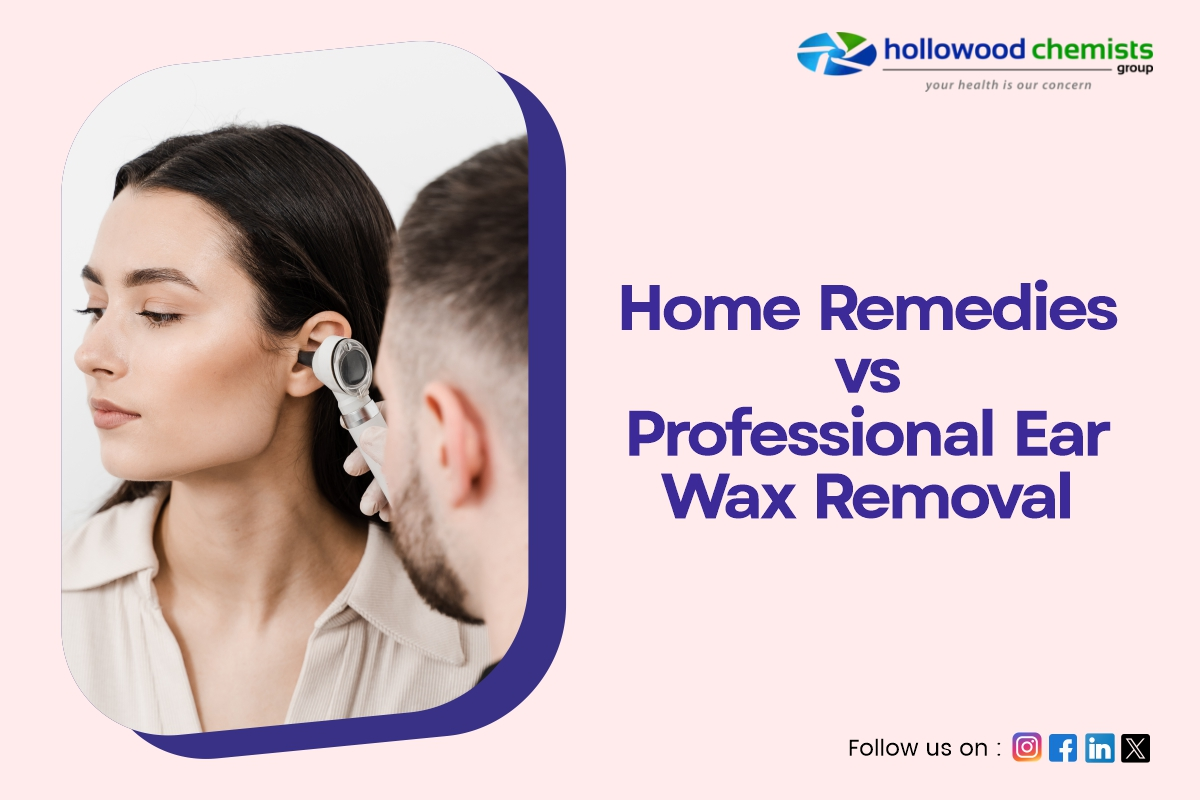
DIY Ear Wax Removal vs Professional Treatment: What’s Safe and What Actually Works
Ear wax build-up is common and, in most cases, completely normal. However, when wax becomes impacted, it can cause blocked ears, muffled hearing, dizziness, discomfort, or tinnitus. Many people in the UK try to manage the problem themselves using cotton buds, ear candles, or home ear wax removal kits, often without fully understanding the risks involved.
While some mild cases may improve with simple home care, not every method is safe or effective. Understanding when ear wax can be managed at home and when to seek professional support can help protect your hearing and avoid unnecessary complications.
What Is Ear Wax and Why Does It Build Up?
Ear wax, medically known as cerumen, is a natural substance produced by glands inside the ear canal. It plays an important role in protecting the ears by trapping dust, debris, and bacteria before they reach the deeper parts of the ear. In most people, ear wax moves out naturally and does not need to be removed.
However, ear wax can sometimes build up and become impacted. This is more likely if you:
- Regularly wear earphones or hearing aids
- Use cotton buds inside the ear canal
- Have naturally narrow ear canals
- Produce dry or excessive ear wax
- Work in dusty environments
- Are older, as ear wax tends to become harder with age
When wax becomes compacted, symptoms may include:
- Reduced hearing
- A feeling of fullness in the ear
- Ringing in the ears (tinnitus)
- Mild discomfort
- Dizziness in some cases
Why DIY Ear Wax Removal Often Causes Problems
Many home ear cleaning methods are widely promoted online, but not all are supported by medical evidence. In some cases, they can make the blockage worse or even damage the ear canal.
Cotton Buds
Using cotton buds remains one of the most common causes of impacted ear wax in the UK. Although they may appear to remove wax, they often push it deeper into the ear canal instead.
The NHS advises against placing anything inside the ear canal, including cotton buds, because this can:
- Compact wax further
- Irritate the ear canal
- Increase infection risk
- Damage the eardrum in severe cases
Read: Cotton Buds Are Damaging Your Ears, Here’s What to Do Instead
Ear Wax Removal Drops and Kits
Over-the-counter ear drops containing olive oil, sodium bicarbonate, or hydrogen peroxide can help soften ear wax. For some people, this may allow wax to move out naturally.
However, these products are not always enough for significant blockages. They should also be avoided if you have:
- A perforated eardrum
- Ear infections
- Previous ear surgery
- Ongoing ear pain or discharge
Using ear drops for too long without improvement may delay proper treatment.
Ear Candling
Ear candling is not recommended by UK healthcare professionals. This method involves placing a hollow candle into the ear and lighting it, based on claims that it creates suction to remove ear wax. However, there is no strong medical evidence to support its effectiveness.
There is no reliable clinical evidence showing that ear candling removes ear wax safely. Reported risks include:
- Burns to the face or ear
- Wax dripping into the ear canal
- Skin injury
- Fire hazards
Both the Medicines and Healthcare products Regulatory Agency and NHS advise against its use.
Home Ear Syringing
Some people attempt home ear syringing using bulb syringes and warm water. While irrigation can be effective when performed correctly, doing it without training carries risks.
Potential problems include:
- Injury to the ear canal
- Infection
- Dizziness from incorrect water temperature
- Failure to remove the blockage
- Worsening of underlying ear conditions
Also Read: Ear Wax Removal and Hearing Health: What Causes Ear Wax Build-Up and When to See a Pharmacist
Ear Wax Removal at Home vs Professional Treatment
| DIY Home Methods | Professional Treatment |
| Cotton buds can push wax deeper into the ear | Microsuction removes wax using direct visual guidance |
| Ear candles are not recommended by UK healthcare professionals | Treatment is carried out by trained healthcare professionals |
| Home syringing can carry a risk of irritation or injury | Ears are properly assessed before treatment begins |
| Some home treatments may only soften the wax rather than remove it completely | Professional methods are usually more effective for stubborn or impacted wax |
| Repeated DIY attempts may worsen blockage or increase discomfort | Safer and more suitable for persistent symptoms |
| If symptoms continue after using olive oil drops, further assessment may be needed | Clinicians can check for other possible ear conditions causing symptoms |
| May delay proper care | Safer for persistent symptoms |
| DIY methods may not be suitable for people with ear infections, ear surgery, or eardrum problems | Treatment can be tailored to your medical history and ear health |
| Home methods may temporarily relieve symptoms without treating the underlying problem | Professional treatment may provide faster and more complete relief |
Book a professional consultation
Professional Ear Wax Removal in the UK
If symptoms continue despite using softening drops, professional assessment is usually the safest option.
Microsuction Ear Wax Removal
Microsuction is widely regarded as the preferred method of ear wax removal in the UK. It involves using gentle suction under direct visual guidance to remove wax safely and accurately.
Benefits of microsuction include:
- No water inside the ear
- Suitable for many people with previous ear problems
- Usually completed in one appointment
- Lower risk of infection
- Quick recovery
Many private ear wax clinics and community pharmacies now offer microsuction services across the North West.
In the North West of England, Hollowood Chemists provides private ear wax removal appointments at several pharmacy locations, including areas such as Crewe, Wigan, Bolton, Northwich, Sale, Staffordshire, and St Helens.
Ear Irrigation
Modern ear irrigation is different from older ear syringing methods. It uses controlled electronic equipment to gently flush softened ear wax from the ear canal using temperature-regulated water.
This method may still be suitable for some patients, although it is not recommended for everyone, particularly people with:
- A history of ear infections
- Perforated eardrums
- Previous ear surgery
Manual Ear Wax Removal
In some ENT or audiology settings, clinicians may remove wax manually using specialised instruments under direct vision. This is generally reserved for difficult or heavily impacted wax.
What Happens During an Ear Wax Removal Appointment?
Professional ear wax removal appointments are usually straightforward and relatively quick.
Most clinics will advise using olive oil drops for a few days beforehand to soften the wax.
A typical appointment may include:
Ear Assessment
A clinician examines the ears using an otoscope to confirm whether wax is causing the symptoms.
Treatment
Depending on the condition of the ear and the type of wax present, treatment may involve:
- Microsuction
- Ear irrigation
- Manual removal
Most appointments are completed within 20–45 minutes, depending on the amount and consistency of wax present.
Aftercare Advice
Patients are usually given guidance on preventing future wax build-up and advice on when to seek further help if symptoms return.
How Much Does Ear Wax Removal Cost in the UK?
Private ear wax removal services in the UK typically cost between £40 and £80, depending on the clinic and whether one or both ears require treatment.
While some GP surgeries may still provide ear wax removal services, availability has reduced in many areas, which is why many people now use private audiology clinics or community pharmacy services.
When Should You Seek Professional Help?
You should arrange professional assessment if you experience:
- Sudden hearing loss
- Ear pain
- Ear discharge
- Persistent tinnitus
- Dizziness or balance issues
- Symptoms lasting more than several days
- Previous ear surgery or eardrum damage
Attempting repeated home treatments when symptoms persist may increase the risk of complications.
Safe Ear Wax Removal Advice from UK Health Professionals
Current UK guidance generally recommends:
- Avoid placing objects inside the ear canal
- Use olive oil drops only to soften wax, not force removal
- Avoid ear candling entirely
- Seek professional care for persistent or severe symptoms
- Stop home treatments if symptoms worsen
If symptoms do not improve after several days of softening drops, professional assessment is usually the safest next step.
Professional Ear Cleaning Services
When to seek urgent medical advice
Urgent medical advice should be sought if ear symptoms are accompanied by sudden hearing loss, severe ear pain, bleeding, discharge, facial weakness, fever, or significant dizziness and balance problems. These symptoms may indicate an underlying ear infection or another condition requiring prompt medical assessment. Repeatedly attempting home ear wax removal when symptoms persist or worsen may increase the risk of complications.
Conclusion
Although many home ear wax removal methods are widely available, some can be ineffective or may carry unnecessary risks. Cotton buds, ear candles, and untrained home syringing can sometimes make the problem worse rather than improve it.
For mild wax build-up, olive oil drops may help soften the wax naturally. However, if symptoms continue or hearing becomes affected, professional ear wax removal is usually the safest and most effective option.
Clinics offering microsuction or ear irrigation can provide a proper assessment and appropriate treatment while helping to reduce the risk of ear damage. Community pharmacy providers such as Hollowood Chemists also offer accessible private ear care services across parts of North West England for patients seeking professional support.
Earwax Removal – Frequently Asked Questions
Frequently Asked Questions
Q.1 Is it safe to remove ear wax at home?
Mild wax build-up can sometimes improve with olive oil drops used for a few days. However, inserting objects into the ear canal is not considered safe. If symptoms persist or worsen, professional assessment is recommended.
Q.2 What is the safest ear wax removal method in the UK?
Microsuction is widely considered one of the safest and most effective professional ear wax removal methods available in the UK because it allows clinicians to remove wax under direct visual guidance.
Q.3 How long should I use olive oil drops before an appointment?
Many clinics recommend using olive oil drops for approximately 3 to 5 days before treatment to soften the wax and improve removal outcomes.
Q.4 Can ear wax cause temporary hearing loss?
Yes. Impacted ear wax can block sound from travelling effectively through the ear canal, which may lead to temporary muffled hearing.
Q.5 Are ear candles safe?
No. Ear candling is not supported by clinical evidence and carries risks including burns and injury to the ear canal.
Q.6 Where can I get professional ear wax removal near me?
Professional ear wax removal services are available through private audiology clinics, some GP surgeries, and selected community pharmacies. Hollowood Chemists offers private ear wax removal services across several North West England locations.
This article is for informational purposes only and does not constitute medical advice. Always consult a qualified healthcare professional before starting, stopping, or combining any medications.