Hollowood Chemists

Ear Wax Removal and Hearing Health Causes, Consultation, Care

Ear Wax Removal and Hearing Health: What Causes Ear Wax Build-Up and When to See a Pharmacist

Ear Wax Removal and Hearing Health: What Causes Ear Wax Build-Up and When to See a Pharmacist

Muffled hearing, a feeling of fullness in the ear, or a persistent dull ache? If any of these sound familiar, the culprit is often something as straightforward as ear wax build-up. Cerumen, to give it its clinical name, is a completely natural substance and an essential part of your ear’s defence system. The problem arises when it accumulates faster than the ear can clear it on its own. At that point, it stops being protective and starts being problematic.

This guide covers what causes wax to build up in the first place, what symptoms to look out for, why home removal can cause more harm than good, and what a professional ear wax removal appointment actually involves,  with a particular focus on microsuction. This technique to remove ear wax requires specialist equipment, skill and is regarded as one of the safest and most precise methods of removing ear wax by audiologists and ENT specialists across the UK.

How Is Ear Wax Formed, and Why Does It Build Up?

Ear Wax (Cerumen) is produced by glands in the outer third of the ear canal. It serves a genuinely useful purpose: it traps dust and debris, has mild antibacterial properties, and lubricates the delicate skin lining the canal. Under normal circumstances, jaw movement, chewing and talking slowly migrates the wax outwards towards the outer ear where it dries and falls away naturally. You should, in theory, never need to clean inside your ears at all.

However, this natural migration can be disrupted. According to NHS and clinical guidance from Calderdale and Huddersfield NHS Foundation Trust, wax build-up is more likely in the following circumstances:

  • Narrow or unusually shaped ear canals, which slow the natural outward migration of wax.
  • Regular use of hearing aids, earbuds, or ear plugs, which physically block the canal exit and can push wax inwards.
  • Cotton bud use,  perhaps the most common cause of impacted wax, as buds tend to pack wax deeper against the eardrum rather than removing it.
  • Older age, as wax naturally becomes drier and harder to expel over time.
  • Dusty or dry working environments, which increase the volume of debris the ear has to manage.

Wax colour and consistency vary considerably between individuals,  ranging from pale honey to deep brown, and from soft and sticky to dry and flaky. None of these variations indicate a problem in themselves; it is only when accumulation becomes symptomatic that intervention is needed.

Recognising the Symptoms of Ear Wax Blockage

Blocked ears do not always announce themselves with obvious pain. The symptoms can be subtle and gradual, which is partly why many people tolerate them for longer than they should. NHS Inform lists the following as the main signs of ear wax build-up:

  • Muffled or reduced hearing,  often described as hearing through cotton wool
  • A sensation of fullness or pressure inside the ear
  • Tinnitus,  ringing, buzzing, or hissing in the ear
  • Earache or mild but persistent discomfort
  • Vertigo or a sense of dizziness, though this is less common

A question we are often asked is: can ear wax cause headaches? 

The answer is yes,  indirectly. Pressure from impacted wax against the eardrum can cause referred pain around the jaw, temples, and even the head. If you are experiencing persistent headaches alongside blocked ears, it is worth getting your ears properly assessed before looking for another cause (although please note, persistent headaches should not be automatically assumed to be caused by wax alone and may require medical attention). 

👂👌

Ear Wax Removal — Same Day Available

No GP referral needed. Walk in or book online at your nearest branch.

www.hollowoodchemists.co.uk


Why Trying to Remove Ear Wax at Home Can Make Things Worse?

The instinct to reach for a cotton bud, a hair clip, or one of the various ear cleaning gadgets sold online is understandable. However, clinically, it can be the wrong move. NHS Inform is clear: do not attempt to remove a build-up of ear wax yourself with your fingers, a cotton bud, or any other object. Doing so risks pushing the wax further down the canal, compacting it against the eardrum, and potentially damaging the delicate skin lining or the drum itself.

Ear candles are similarly ineffective and carry a real risk of burns. There is no credible clinical evidence that they remove wax, and healthcare professionals consistently advise against them.

The first step for mild ear wax blockage,  where symptoms are not severe, is to use olive oil ear drops (such as Earol) twice daily for up to two weeks. This softens the wax and, in many cases, allows it to migrate out on its own. BSW ICB clinical commissioning guidance recommends olive oil spray as the first-line approach before any professional intervention is considered. If softening drops have not cleared the blockage within this period, a professional ear cleaning appointment is the appropriate next step.

Ear Syringing, Ear Irrigation, and Microsuction: What Is the Difference?

Not all ear wax removal methods are equal,  and the terminology can be confusing. Here is a straightforward breakdown:

Ear Syringing: Now Not Recommended

Traditional manual ear syringing, using a large metal syringe to force water into the ear canal,  is no longer recommended in the UK. NICE updated its guidance in 2018 to advise against manual syringing due to the risk of eardrum perforation, hearing damage, and dizziness. As UK Parliament written answers confirm, manual water-filled syringes are no longer an acceptable clinical tool for ear wax removal. Many GP practices have withdrawn the service entirely as a result.

Ear Irrigation: The Modern Water-Based Method

Modern ear irrigation uses an electronic pump to deliver a controlled, low-pressure flow of warm water into the canal,  a considerably safer approach than the old metal syringe. NICE guidelines support electronic water irrigation as an appropriate ear wax removal method. However, it remains contraindicated for patients with a perforated eardrum, a history of ear surgery, grommets, recurring ear infections (otitis externa), or who only have one functioning ear. The clinician cannot see the canal during the procedure, which is the main limitation.

Microsuction Ear Wax Removal: The Gold-Standard Approach

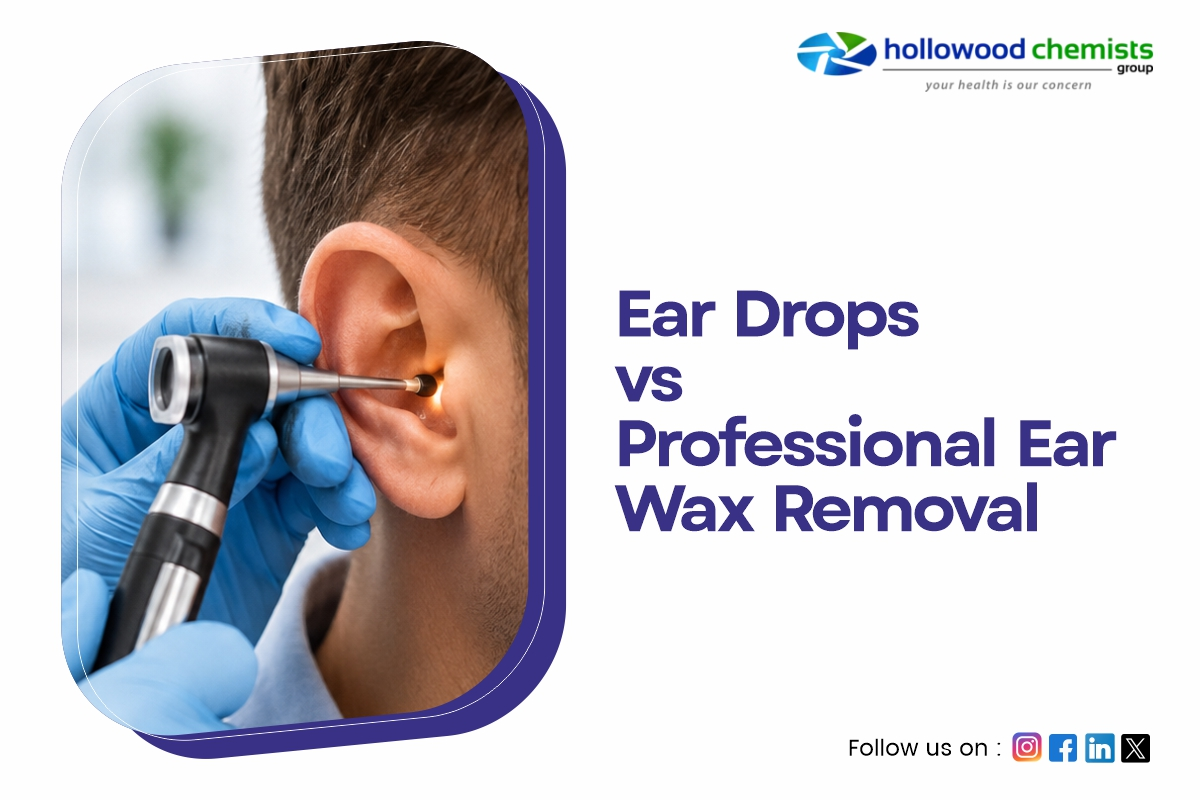
Microsuction is widely regarded as the safest and most precise method of ear wax removal currently available. It involves using a fine, low-pressure suction probe to extract wax from the ear canal under direct visualisation,  meaning the clinician can see exactly what they are doing throughout the procedure. A video otoscope or head loupe provides illuminated magnification of the canal, ensuring nothing is removed blindly.

Because no water is used, microsuction is a dry procedure,  which makes it the preferred option for patients with a history of ear infections, perforated eardrums, previous ear surgery, or those who use hearing aids. A peer-reviewed study of 159 patients published in a clinical review cited by BJGP found microsuction successfully cleared wax in 91% of cases. It is the method of choice in ENT secondary care, and is increasingly available through specialist pharmacy and private ear wax removal clinics in the community.

👂👌

 Fast, Safe Ear Wax Removal – Book Now

No GP referral needed. Walk in or book online at your nearest branch.

St Helens
Wigan
Bolton
Sale
Northwich
Crewe
Clayton


Safe and Effective Microsuction Ear Wax Removal Across North West England

If you are searching for ear wax removal near me in North West UK, or looking for a walk-in ear wax removal pharmacy without a lengthy wait, Hollowood Chemists offers professional microsuction ear wax removal appointments across our network in North West England, no GP referral required.

We provide ear cleaning and earwax removal services to patients across the region, including:

Download the Complete List of Our Pharmacies

Whether you are in any of these locations and experiencing blocked ears for the first time, looking for regular ear cleaning, or wanting prompt attention to reduce tinnitus,  our trained pharmacists are here. Book a private ear wax removal clinic appointment online, or walk into your nearest Hollowood Chemists branch.

What to Expect at a Pharmacy Ear Wax Removal Appointment

Many people put off booking an ear wax removal appointment because they are unsure what is involved. In practice, a microsuction appointment at a pharmacy-based ear care clinic is typically brief, comfortable, and straightforward.

At Hollowood Chemists, the process begins with a brief health review to check your ear history and confirm microsuction is appropriate for you. A video otoscope examination allows the clinician,  and often the patient,  to view the canal and confirm the blockage before treatment begins. The microsuction itself takes just a few minutes per ear. Most patients describe it as painless, though the suction probe produces a noticeable whooshing sound. In the majority of cases, hearing improvement is immediate.

Ear Wax Removal Aftercare: What to Do Next

Following microsuction, mild dizziness or a temporary sensation of fullness is normal and typically settles within a few hours. The ear canal may feel slightly dry or sensitive for a day or two. Keep the ear dry for 24 to 48 hours if possible,  avoid swimming and be careful when showering. If you use hearing aids, you may find they need a brief adjustment period as your hearing normalises. If any discomfort, significant dizziness, or discharge develops after the procedure, contact your pharmacist or GP.

When to Seek Pharmacist Advice,  and When to Act Yourself

If your symptoms are mild and you have no history of ear problems, perforated eardrum, or recent ear surgery, olive oil drops from a pharmacy are a safe and sensible first attempt. Use them twice daily for up to two weeks. If symptoms improve, no further action is usually needed.

You should speak to a pharmacist or seek a professional earwax removal service if:

  • Drops have not resolved the blockage after two weeks of consistent use
  • You wear hearing aids and are experiencing worsening performance or feedback
  • You have ear pain, discharge, or any signs of an ear infection
  • You have a history of perforated eardrum, previous ear surgery, or recurrent otitis externa
  • You need fast, same-day ear wax removal and cannot access NHS provision quickly

It is worth noting that NHS ear wax removal services have become increasingly difficult to access in many areas.

Frequently Asked Questions

Q1. Is microsuction safe for ear wax removal?

Yes,  microsuction is considered the safest method of professional ear wax removal currently available in the UK. It is a dry procedure performed under direct visualisation, meaning the clinician sees the ear canal throughout. This makes it suitable for patients where ear irrigation would be contraindicated, including those with perforated eardrums, a history of ear surgery, or recurrent ear infections.

Q2. How do I remove ear wax blockage fast?

If drops alone are not sufficient, booking a microsuction appointment at a pharmacy-based ear wax removal clinic is the quickest and safest option. Many private providers, including Hollowood Chemists offer same-day earwax removal appointments without requiring a GP referral.

Q3. Can ear wax cause headaches?

Yes,  indirectly. Pressure from impacted wax can cause referred pain that spreads to the jaw, temples, and head. If you are experiencing headaches alongside blocked-ear symptoms, have your ears assessed professionally before exploring other causes.

Q4. What drops are used for ear wax removal?

Medical-grade olive oil (such as Earol spray) is the most widely recommended first-line treatment. Sodium bicarbonate drops are also used. These soften the wax and encourage natural clearance. Drops should not be used if you have a known perforated eardrum,  speak to your pharmacist first.

Q5. Do I need to use ear drops before a microsuction appointment?

Using olive oil drops for a few days beforehand can help soften harder wax and make the procedure smoother,  but it is not always strictly required. Microsuction can remove both soft and hard wax effectively. Your Hollowood Chemists pharmacist will advise you at the time of booking.

Medical Disclaimer

This article is for informational purposes only and does not constitute medical advice. Always consult a qualified healthcare professional before starting, stopping, or combining any medications.


Vitamin B12 for Travellers: Timing, Safety and Fatigue Support

B12 Injections and Travel: Timing, Safety, and Staying Energised on Your Summer Break

B12 Injections and Travel: Timing, Safety, and Staying Energised on Your Summer Break

Summer travel often involves long flights, busy sightseeing schedules, and changes in sleep patterns. While holidays are exciting, the physical demands of travel can sometimes leave people feeling tired or lacking energy. For individuals experiencing fatigue or low vitamin levels, B12 injections may help support normal energy levels before and during travel.

Many travellers in the North West UK now look for services such as a B12 injection walk-in clinic or search for a B12 injection for travel fatigue near me before heading on holiday. Vitamin B12 plays a key role in energy metabolism, nerve function, and the production of healthy red blood cells. When levels are low, symptoms such as tiredness, weakness, and reduced concentration can occur.

For travellers planning a summer break, understanding the role of vitamin B12, when to schedule an injection, and where to access safe services can help ensure a more comfortable and energised journey.

Please note – a confirmed diagnosis of vitamin B12 deficiency is required before treatment at Hollowood Chemists

Why Vitamin B12 Matters When Travelling

Travel can place additional stress on the body. Long journeys, disrupted sleep, time-zone changes, and irregular eating habits may lead to fatigue. Vitamin B12 helps the body convert food into energy and supports the normal functioning of the nervous system.

If vitamin B12 levels are low, people may experience:

  • Persistent tiredness or fatigue
  • Reduced energy levels
  • Difficulty concentrating
  • Dizziness or weakness

For this reason, some travellers consider a B12 injection before a summer holiday in the North West UK to support normal energy levels and reduce travel fatigue. However, injections should always be given following a healthcare consultation.

What Is a B12 Injection?

A B12 deficiency injection delivers vitamin B12 directly into the muscle so that the body can absorb it efficiently. This is particularly useful for people who have difficulty absorbing B12 through food or oral supplements.

In the UK, the most commonly used form of injectable vitamin B12 is hydroxocobalamin injection. This form of B12 is widely used in medical practice and may be prescribed when a deficiency is diagnosed.

Can B12 Injections Help with Travel Fatigue?

While B12 injections are primarily used to treat vitamin B12 deficiency, some people with low levels may notice improvements in energy once their deficiency is addressed.

Travel fatigue can result from a combination of factors, including jet lag, dehydration, and disrupted sleep. For individuals who are already low in vitamin B12, addressing the deficiency may help support overall energy levels.

A healthcare professional can assess whether a B12 deficiency injection is appropriate based on symptoms and medical history.

When Should You Get a B12 Injection Before Travel?

If a B12 injection is recommended, timing it appropriately before travel can be helpful.

Many clinicians suggest arranging an appointment several days before departure. This allows time for the body to respond to the injection and ensures any minor injection-site reactions have settled before travelling.

Travellers preparing for holidays often look for a B12 injection walk-in clinic for convenient access to consultations and treatment shortly before their trip.

Who May Need a B12 Deficiency Injection?

A B12 deficiency injection may be recommended for people who:

  • Have a diagnosed vitamin B12 deficiency
  • Experience ongoing fatigue or weakness
  • Have conditions that affect nutrient absorption
  • Follow diets that may lead to lower B12 intake

Healthcare professionals typically assess symptoms, dietary habits, and medical history before recommending hydroxocobalamin injection.

Finding a B12 Injection Walk-In Clinic in the North West UK

Travellers often prefer convenient healthcare services before travelling abroad. Many pharmacy clinics now offer consultations for vitamin B12 injections.

Across North West England, pharmacy clinics such as Hollowood Chemists provide healthcare consultations and services for residents preparing for travel. Pharmacy-based clinics can offer convenient appointments and professional guidance on travel health and vitamin injections.

What Happens During a B12 Injection Appointment?

During a B12 injection consultation, a healthcare professional will first assess whether treatment is appropriate.

The consultation usually includes:

  1. A discussion about symptoms such as fatigue or low energy
  2. A review of medical history and previous vitamin treatment
  3. Advice on vitamin B12 and travel health
  4. Administration of the injection if suitable

The hydroxocobalamin injection is usually given into a muscle in the upper arm and typically takes only a few minutes.

Are B12 Injections Safe for Travellers?

When administered by a trained healthcare professional, B12 injections are widely used in UK medical practice and are generally considered safe.

Possible mild side effects may include:

  • Temporary soreness at the injection site
  • Mild redness or swelling
  • Occasional headache or dizziness

Most reactions are mild and short-lived. Anyone considering treatment should discuss it with a healthcare professional before receiving a B12 deficiency injection.

Travel Health Tips to Stay Energised on Holiday

In addition to considering a B12 injection before a summer holiday, travellers can support their energy levels by following simple travel health advice:

  • Drink plenty of water during flights
  • Maintain regular meals where possible
  • Rest well before travelling
  • Adjust gradually to new time zones

These measures, combined with professional healthcare advice, can help reduce travel fatigue and support overall wellbeing.

B12 Injection Services Across North West England

Pharmacy clinics such as Hollowood Chemists provide travel health advice and consultations services for residents in St Helens (Garswood, Heatons, Millfields, Haydock and Bradlegh), Wigan (Moorside, Mesnes, Ince and Blackhorse (Blackrod)), Market in Bolton, Trafford including Sale and Village, Northwich in Barnton, Crewe and Clayton in Staffordshire. Click here to download and stay informed

Final Thoughts

Preparing for a summer holiday involves taking steps to protect your health as well as planning your itinerary. If you experience fatigue or symptoms associated with low vitamin B12 levels, speaking with a healthcare professional about a B12 deficiency injection may be helpful.

A consultation at a B12 injection walk-in clinic can help determine whether treatment is appropriate and ensure injections such as hydroxocobalamin injection are administered safely.

With the right preparation and medical advice, travellers can stay energised and make the most of their summer break.


Frequently Asked Questions

Q1. Can I get a B12 injection before travelling on holiday?

Yes, many travellers choose to have a B12 injection before a summer holiday in the North West if they are experiencing symptoms of low energy or vitamin B12 deficiency. A consultation with a healthcare professional is recommended to determine whether a B12 deficiency injection is appropriate before travelling.

Q2. Do I need a consultation before getting a B12 injection?

Yes, a healthcare consultation is usually recommended before receiving a B12 deficiency injection. The clinician will review your symptoms, medical history, and previous treatments to determine whether the injection is suitable for you.

Q3. Where can I get a B12 injection near me in the North West UK?

Travellers can access vitamin injections at healthcare clinics, GP practices, or pharmacy services. Many people search for a B12 injection walk-in clinic or Hydroxocobalamin injection North West UK before travelling. Pharmacy clinics such as Hollowood Chemists provide consultations and healthcare advice for people considering vitamin B12 injections.

Q4. What type of B12 injection is commonly used in the UK?

In the UK, the most commonly used injectable form of vitamin B12 is Hydroxocobalamin injection. It is widely used to treat vitamin B12 deficiency and is typically administered by a healthcare professional following a consultation.

Q5. How soon before my holiday should I get a B12 injection?

If recommended by a healthcare professional, a B12 injection before travel is often scheduled several days before departure. This allows the body time to respond to the injection and ensures any mild side effects have settled before travelling.


Medical Disclaimer

This article is for informational purposes only and does not constitute medical advice. Always consult a qualified healthcare professional before starting, stopping, or combining any medications.

References


Essential Vaccinations for Travelling to the UK

Essential Vaccinations for Travelling to the UK: What You Need to Know

Essential Vaccinations for Travelling to the UK: What You Need to Know

Travelling to the United Kingdom for work, study, relocation or a holiday? One of the most common questions people search for is “Do I need vaccines to travel to the UK?”

The UK does not usually require mandatory vaccinations for entry. However, being fully protected with the right immunisations is still extremely important. It protects you, your family and the wider community.

As a long-established and trusted pharmacy group serving St Helens, Wigan, Bolton, Trafford, Northwich, Crewe and Staffordshire, Hollowood Chemists provides clear, evidence-based guidance aligned with NHS and UK Health Security Agency (UKHSA) recommendations. Our aim is simple: to give you straightforward information without confusion, so you can travel confidently.

Do You Need Vaccines to Enter the UK?

For most travellers:

  • There are no compulsory vaccines required for entry into the UK
  • A yellow fever vaccination certificate is only required if you are arriving from a country where yellow fever is present
  • There is no malaria risk in the UK

Many people search “UK entry vaccine requirements”. In most cases, the answer is reassuringly simple: routine vaccinations are what matter most.

However, immigration rules may require TB (tuberculosis) screening for long-term visa applicants from certain countries.


Advanced Services


Why Routine Vaccinations Still Matter

Even though the UK has strong public health systems, outbreaks of certain infections still occur. Measles cases, for example, have increased in parts of England in recent years.

1. MMR (Measles, Mumps and Rubella)

  • Two documented doses are recommended
  • Protects against measles outbreaks
  • Especially important for children, young adults and students

Measles spreads easily in airports, universities and schools. Ensuring you have had both MMR doses significantly reduces your risk.

2. Tetanus, Diphtheria and Polio (Td/IPV Booster)

  • Booster usually recommended every 10 years for travellers
  • Protects against serious infections from wounds or injuries
  • Forms part of standard UK travel health advice

Many people searching travel clinic near me or “travel jabs UK” are advised to check their tetanus status first.

3. COVID-19 Vaccination

Depending on current NHS guidance and eligibility, COVID-19 booster doses may be recommended for certain groups, including older adults and vulnerable individuals.


Private COVID Vaccination

4. Seasonal Flu Vaccine

If travelling during autumn or winter, flu vaccination may be advised, particularly if you are:

  • Over 65
  • Pregnant
  • Living with a long-term health condition


Book Flu Vaccination

Additional Vaccines Based on Your Stay

While not required for UK entry, some vaccinations may be appropriate depending on your situation.

Hepatitis B

Often searched as “Hepatitis B vaccine for long stays in the UK”, this may be recommended for:

  • Healthcare workers
  • Long-term residents
  • Students
  • Individuals undergoing medical treatment

Meningococcal ACWY (MenACWY)

Particularly important for:

  • International students
  • Those entering UK university halls of residence

Many universities recommend or require proof of MenACWY vaccination.


Essential services

Tuberculosis (TB) Screening

If you are applying for a long-term visa from certain countries, you may need a TB certificate before travel. This is an immigration requirement rather than a routine vaccination.

When Should You Arrange Vaccinations?

A frequently searched question is “How early should I get travel vaccines?”

NHS guidance recommends:

  • Ideally 6–8 weeks before travel
  • Even if travelling at short notice, seek advice as soon as possible
  • Some vaccines require multiple doses over time

Early preparation ensures full protection and avoids last-minute stress.


Private Travel clinic


Why Choose a Trusted Pharmacy for Travel Advice?

Choosing a trusted pharmacy for travel advice ensures you receive accurate, professional guidance based on current UK health recommendations. At Hollowood Chemists, qualified pharmacists can assess your destination, medical history, and vaccination needs to help you stay protected while travelling. Reliable advice from a pharmacy helps you prepare safely and confidently for your trip abroad.

What matters most is receiving advice that is:

  • Based on official NHS and UKHSA guidance
  • Tailored to your medical history
  • Delivered by trained healthcare professionals

Hollowood Chemists has served communities across North West England for decades. Our pharmacist-led travel clinics provide structured consultations that review:

  • Your vaccination history
  • Your travel plans
  • Your personal health circumstances


Book Private Travel Vaccinations

We believe clear information builds confidence. Our role is not to overwhelm you with unnecessary vaccines, but to provide accurate, relevant advice so you can make informed decisions.

Final Guidance

The UK does not impose extensive vaccine entry requirements. However, ensuring you are fully immunised protects both you and the communities you join..

At Hollowood Chemists, our priority is simple: accurate advice, delivered clearly, so you can travel safely and confidently.


Frequently Asked Questions

Q1. Do I need vaccines to travel to the UK?

No mandatory vaccines are required for most travellers, but routine immunisations should be up to date.

Q2. Is yellow fever vaccination required for the UK?

Only if arriving from a country where yellow fever transmission occurs.

Q3. Is there malaria in the UK?

No, there is no malaria transmission in the UK.

Q4. Can I get vaccinated after arriving in the UK?

Yes, depending on your residency status and eligibility for NHS services or private travel clinics.

Q5. Do students need meningitis vaccination?

Many UK universities recommend or require MenACWY vaccination for students living in halls.


Disclaimer:
This article is for informational purposes only and does not constitute medical advice. Always consult a qualified healthcare professional before starting, stopping, or combining any medications.

References:
NaTHNaC (National Travel Health Network and Centre)
NHS Travel Health Advice
NHS Travel Vaccinations

Weight Loss Medication and Period Delay Tablets Together

Can You Take Weight Loss Medication and Period Delay Tablets Together? A UK Medical Guide

Can You Take Weight Loss Medication and Period Delay Tablets Together? A UK Medical Guide

Two questions are increasingly asked together in UK pharmacy consultations: can I use prescription weight loss injections, and can I take a pill that delays my period at the same time? It is a practical and understandable concern. Many women using weight loss treatment ahead of a holiday, wedding or important event also want to avoid having their period during that time.

The short answer is that combining the two may be possible, but it should never be done without professional guidance. Below is a clear, UK-focused explanation of how these medicines work and what should be considered before using them together.

Prescription Weight Loss Injections in the UK

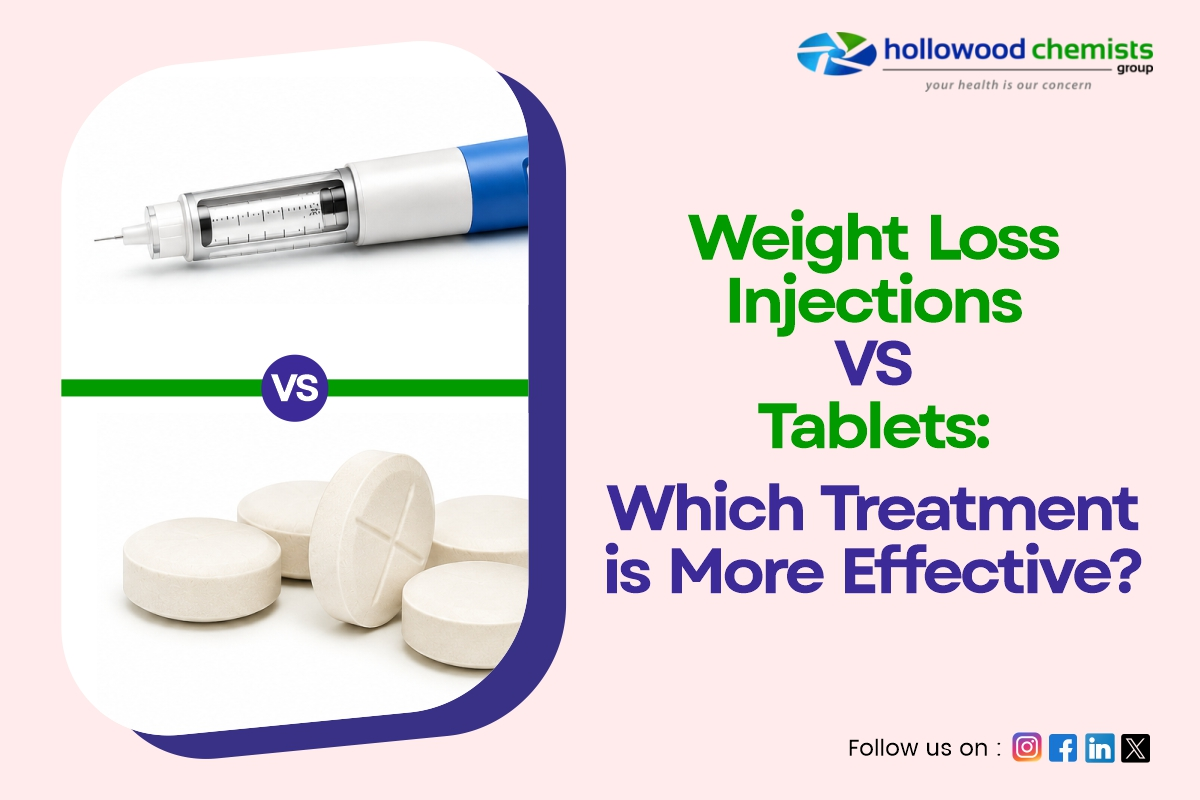
Prescription weight loss injections belong to a class of medicines known as GLP-1 receptor agonists. The two most commonly discussed options in the UK are Mounjaro and Wegovy. Both are licensed for chronic weight management in adults with obesity or weight-related health conditions.

These medicines work by reducing appetite, slowing gastric emptying and improving blood sugar regulation. In practice, this leads to reduced calorie intake and sustained weight loss for many patients. They are taken as a once-weekly injection and must be prescribed following a proper clinical assessment.

Access through the National Health Service is currently limited to strict eligibility criteria, so many patients in St Helens, Wigan, Bolton, Trafford, Northwich, Crewe or Clayton in Staffordshire and across North West England seek private weight loss injections through regulated pharmacies. Searches such as “ weight loss injections near me” and “Mounjaro injections near me” are increasingly common as services expand locally.

When considering cost, patients frequently ask how much weight loss injections cost or what the weight loss injections price in North West clinics might be. Private monthly prices typically begin around £149–£199 for introductory doses and increase at higher maintenance levels. Pricing should always include consultation, prescription and appropriate follow-up.

When comparing Wegovy or Mounjaro UK options, many ask whether Mounjaro is better than Wegovy or which is safer. Mounjaro acts on both GLP-1 and GIP receptors, while Wegovy acts on GLP-1 alone. Both have similar side effect profiles, most commonly nausea and digestive discomfort, especially during dose escalation. Some women report menstrual changes during rapid weight loss, though current evidence suggests this is more likely linked to hormonal shifts caused by weight reduction rather than a direct effect of the medicine.

Book Weight Loss consultation Here

Period Delay Tablets in the UK

The most commonly prescribed tablet to stop a period for holiday purposes in the UK is norethisterone. This medicine works by maintaining progesterone levels, preventing the womb lining from shedding. When the tablets are stopped, progesterone levels fall and menstruation usually begins within two to three days.

It is important to understand that these tablets are designed to delay a period that has not yet started; they do not stop active bleeding immediately.

If you are wondering when to take period delay tablets, the standard guidance is to start three days before your expected period and continue for no longer than 10–14 days. Norethisterone is not a contraceptive and is intended for short-term use only. Women who frequently feel the need to postpone menstruation should speak to a GP about longer-term options such as tailored contraceptive regimens.


Book Period Delay consultation Here


Can You Combine Weight Loss Injections and a Delay Period Pill?

The combination of weight loss injections and norethisterone should always be assessed individually. The British National Formulary does not list a direct interaction between these medicines. However, one important consideration is that GLP-1 medicines slow the movement of medicines through the gastrointestinal tract. Because norethisterone is taken orally, delayed stomach emptying could theoretically affect the rate or timing of absorption, although clinically significant effects are not well established.

The Faculty of Sexual and Reproductive Healthcare has issued guidance advising caution with oral hormonal contraception in patients using weight loss medicines due to potential absorption concerns. While norethisterone is different from the combined pill, the principle of altered absorption is relevant and should be discussed with a prescriber.

In addition, norethisterone carries a small increased risk of blood clots. Women with obesity already have a higher baseline risk, so those with a history of venous thromboembolism, liver disease, hormone-sensitive cancers or significant cardiovascular conditions require careful review before combining treatments.

Also Read: Ways to Manage Period Pain – Safety Advice & Support

Travel, Local Access and Practical Considerations

Many women choose to use a pill to stop periods for holiday while continuing slimming injections nearby. If travelling, injections should be stored according to the manufacturer’s guidance, usually refrigerated before use, and carried in hand luggage with a copy of the prescription.

Hollowood Chemists offers weight loss and period delay consultation and treatment services through its pharmacy network, making it straightforward for patients across the North West including St Helens (Garswood, Heatons, Millfields, Haydock, Bradlegh), Wigan (Moorside, Mesnes, Ince, Blackhorse (Blackrod), Bolton (Market), Trafford (Sale, Village), Northwich (Barnton), Crewe, and Clayton in Staffordshire, and surrounding areas, regulated pharmacies increasingly offer both prescription weight loss injections and period delay consultations. – Download the Complete List of Our Pharmacies

All Pharmacy Locations

Patients often search for “what chemist does weight loss injections”, “where to get Mounjaro near me” or “tablets to stop period near me”. Access through pharmacy services has improved convenience, but clinical assessment remains essential.

Final Clinical Advice

For many otherwise healthy women, combining prescription weight loss injections with a short course of period delay tablets is not automatically unsafe. However, suitability depends entirely on individual medical history, current medications, clotting risk and overall health profile.

Before starting either treatment, you should discuss whether slowed gastric emptying could affect tablet absorption, whether you have any increased clotting risk, and whether there may be a more suitable long-term option for menstrual management.

If you are considering weight loss injections near you or a delay period pill for an upcoming event, the safest step is a consultation with a UK-registered pharmacist or GP. General information can guide you, but personalised clinical advice is the only way to ensure treatment is both safe and appropriate.


Book Weight Loss consultation


Book Period Delay consultation


Frequently asked questions

Q1. Can I take norethisterone while using Mounjaro or Wegovy?

Yes, usually, but only following a clinical evaluation. The rate at which norethisterone is absorbed by the body may be impacted by GLP-1 medications such as Wegovy and Mounjaro because they decrease stomach emptying. Before you mix the two medications, your personal health profile should be reviewed by a UK-registered chemist or general practitioner.

Q2. Will weight loss injections affect my menstrual cycle?

Some women do experience changes to their menstrual cycle while using GLP-1 weight loss injections. However, current evidence suggests this is more likely due to hormonal shifts caused by rapid weight loss rather than a direct effect of the medicine itself. If you notice significant changes, speak to your prescriber.

Q3. Is norethisterone safe for women with obesity?

Norethisterone carries a small increased risk of blood clots. Women living with obesity already have a slightly higher baseline clotting risk, so a careful medical review is essential before prescribing. Women with a history of venous thromboembolism, liver disease or hormone-sensitive conditions may not be suitable candidates.

Q4. Can I get both treatments from a pharmacy in the UK?

Yes. Regulated UK pharmacies, including Hollowood Chemists, offer both prescription weight loss injections (such as Mounjaro) and period delay consultations through their pharmacy services across North West England and beyond. A clinical consultation is required before either treatment is dispensed.

Q5. Are weight loss injections and period delay tablets suitable together for a holiday?

They can be used together for many otherwise healthy women, but suitability depends entirely on your personal medical history, clotting risk and current medications. If you are planning ahead for a holiday, book a consultation early,  ideally several weeks in advance,  to allow enough time for proper assessment and dose adjustment if needed.

Find More Answers HereWeight Loss // Period Delay 


Disclaimer:
This article is for informational purposes only and does not constitute medical advice. Always consult a qualified healthcare professional before starting, stopping, or combining any medications.

Reference:
NICE
NHS
MHRA

Travel Vaccines – Facts, Aftercare & Common Myths

Travel Vaccinations Explained: Side Effects, Aftercare & The Truth Behind Common Myths

Travel Vaccinations Explained: Side Effects, Aftercare & The Truth Behind Common Myths

Planning a trip abroad is exciting, but protecting your health while travelling is just as important as choosing your destination. Whether you are travelling to Southeast Asia, sub-Saharan Africa, South America, or other regions with higher infectious disease risks, travel vaccinations play a vital role in preventing serious illnesses.

Despite the availability of travel vaccines across the UK, many travellers still have questions about what to expect, when to book appointments, and how to manage any side effects after vaccination.

This guide explains everything you need to know about travel vaccinations, travel medicine consultations, possible side effects, aftercare advice, and common myths surrounding travel immunisations.

What Are Travel Vaccinations and Why Do You Need Them?

Travel vaccinations are immunisations given before international travel to protect against infectious diseases that may be common in certain parts of the world.

Unlike routine NHS vaccinations, which focus on diseases prevalent in the UK, travel immunisations are tailored to your specific destination and travel activities.

Some vaccines are:

  • Mandatory for entry into certain countries
  • Strongly recommended by health authorities such as the WHO and the UKHSA

Receiving the correct travel vaccinations significantly reduces the risk of serious infections during your trip.

What Is Travel Medicine?

Travel medicine is a specialised area of healthcare focused on preventing illness in people travelling internationally.

During a consultation at a travel immunisation clinic, a trained healthcare professional will assess:

  • Your destination and travel itinerary
  • Planned activities such as trekking, swimming, or wildlife exposure
  • Your medical history and current medications
  • Previous vaccination records

They may also provide advice on:

  • Malaria prevention medication
  • Food and water safety
  • Insect bite protection
  • Altitude sickness prevention

This means a travel clinic consultation is far more comprehensive than simply receiving a vaccine.

Common Diseases Prevented by Travel Vaccines

Travel vaccines help protect against a wide range of infectious diseases, including:

  • Typhoid
  • Hepatitis A
  • Hepatitis B
  • Yellow fever
  • Rabies
  • Cholera
  • Japanese encephalitis
  • Meningitis ACWY
  • Tick-borne encephalitis

In some cases, travellers may also need booster doses of childhood vaccinations, such as tetanus, diphtheria, or polio.

A healthcare professional will determine which vaccines are necessary based on your destination and risk level.

Private Travel Clinic

Who Needs Travel Immunisations?

In general, anyone travelling outside Western Europe, North America, or Australia should consider a travel health consultation.

However, certain travellers may require more careful planning, including:

  • Older adults
  • Pregnant travellers
  • Individuals with weakened immune systems
  • Families travelling with young children

These groups may require specialist travel medicine advice, as some vaccines may need adjusted vaccination schedules.

Also Read: Safety- First Advice for Solo Trips: Health Tips for Senior Solo Travellers

How to Book Travel Vaccinations in the UK

Many travellers are unsure about how to book travel vaccinations in the UK.

Currently, the NHS funds only a limited number of travel vaccines, including:

  • Hepatitis A
  • Typhoid
  • Cholera

Vaccines such as yellow fever, rabies, and hepatitis B are usually obtained through private travel vaccination clinics.

However, many GP practices have limited appointment availability for travel health services.

Book Travel vaccine consultation

As a result, many travellers choose Near private travel vaccination clinics or pharmacy travel clinics, which can often provide faster appointments and a broader range of vaccines.

At Hollowood Chemists, we provide a range of private travel vaccinations at our every branches which are situated across the North West of England – Download PDF 

Common Side Effects After Travel Vaccines

Many travellers are concerned about possible side effects following vaccinations.

The good news is that most travel vaccines are well tolerated, and side effects are usually mild and temporary.

Common reactions include:

  • Mild soreness at the injection site
  • Redness or swelling
  • Low-grade fever
  • Headache
  • Fatigue
  • Mild flu-like symptoms

These symptoms usually resolve within 24–48 hours and indicate that the immune system is responding to the vaccine.

Serious reactions such as anaphylaxis are extremely rare, and trained healthcare professionals are equipped to manage them.

Travel Vaccine Myths Debunked

There are many misconceptions about travel vaccinations. Below are some common myths explained.

“Travel vaccines give you the disease.”

This is incorrect. Most vaccines contain inactive or weakened components of a pathogen, which cannot cause disease in healthy individuals.

“Short trips don’t require vaccines.”

Even a short visit to a high-risk area can expose travellers to serious infections. Vaccination recommendations are based on destination risk, not just travel duration.

“I was vaccinated years ago, so I’m still protected.”

Some vaccines require booster doses over time. For example, hepatitis A protection can last up to 25 years after a full course, but others may need periodic boosters.

“Natural immunity is better than vaccination.”

Contracting diseases such as yellow fever or rabies carries significant health risks. Vaccination provides safe protection without the dangers of infection.

Travel vaccination – Frequently Asked Questions

How Much Do Travel Vaccinations Cost in the UK?

Many travellers ask how much travel vaccinations cost in the UK.

NHS-funded vaccines such as typhoid and hepatitis A are free through GP surgeries but may require significant waiting times. 

Private travel vaccination clinics charge per dose depending on the vaccine. – ENSURE YOU LOOK AT HOLLOWOOD CHEMISTS SITE

Approximate private prices include:

  • Hepatitis B: £40–£85 per dose
  • Rabies: £70–£120 per dose
  • Meningitis ACWY: £50–£75
  • Yellow fever: £80–£90
  • Japanese encephalitis: £90–£120 per dose

Some clinics offer travel vaccine packages that combine commonly recommended vaccines at reduced prices.

Book Appointment online

Aftercare Tips Following Travel Vaccinations

Proper aftercare can help minimise discomfort after receiving travel vaccines.

Recommended aftercare steps include:

  • Keep the injection site clean and dry
  • Apply a cold compress for soreness
  • Take paracetamol if needed for mild fever or headache
  • Avoid strenuous exercise on the day of vaccination
  • Stay well hydrated

Most side effects resolve quickly without medical treatment.

When Can You Travel After Vaccination?

Timing is important when planning travel vaccinations.

Most vaccines require 10–14 days for full protection.

Some vaccines require multiple doses over time, for example:

  • Hepatitis B – three doses over six months
  • Rabies – two or three doses depending on schedule

For this reason, travellers should ideally book their travel clinic consultation at least 6–8 weeks before departure.

Combining Travel Vaccines with Other Treatments

Some travellers also require antimalarial medication or treatments for pre-existing conditions.

Most malaria prevention medicines can be taken alongside travel vaccines. However, certain combinations may require adjustments.

For example, chloroquine-based antimalarials may reduce immune response to rabies vaccines when administered simultaneously.

A qualified travel medicine provider will consider these factors during your consultation.

Travel Vaccination Services Across North West England

Travellers across North West England have access to travel health clinics and pharmacy-based services.

Local Trusted Travel Clinic / Pharmacy such as Hollowood Chemists Travel Clinic offer travel health consultations and vaccination services, helping travellers access expert advice without long GP waiting times.

Communities served include:

Download the Complete List of Our Pharmacies

Final Thoughts

Travel vaccinations are one of the most effective ways to protect your health while abroad.

Yet many travellers delay booking appointments until the last minute or overlook vaccinations entirely.

By arranging a travel health consultation early, discussing your itinerary with a qualified provider, and receiving the appropriate vaccines, you can significantly reduce the risk of travel-related illness.

Your health while travelling begins with the decisions you make before departure.

Frequently asked questions

Q1. Can you receive multiple travel vaccines on the same day?
Yes. Several travel vaccines can often be given during the same appointment. However, some live vaccines must be administered either together or spaced appropriately. A qualified travel health professional will plan your schedule to ensure safe and effective protection.

Q2. Do travel vaccinations affect travel insurance coverage?
Possibly. If recommended or required vaccinations are declined and you contract a preventable illness, insurers may review whether appropriate precautions were taken. Checking your travel insurance policy and keeping vaccination records updated before travel is advisable.

Q3. What should I do if I feel unwell several days after a travel vaccination?
Mild symptoms such as soreness, fatigue or a low fever may occur shortly after vaccination. If symptoms persist beyond 48 hours, worsen, or include breathing difficulty, swelling or widespread rash, seek medical advice promptly. Serious reactions are rare but require assessment.


Disclaimer:
This article is for informational purposes only and does not constitute medical advice. Always consult a qualified healthcare professional before starting, stopping, or combining any medications.

References:

NHS – Travel Vaccinations
UK Health Security Agency
NaTHNaC – TravelHealthPro

1 2 3 5