Hollowood Chemists

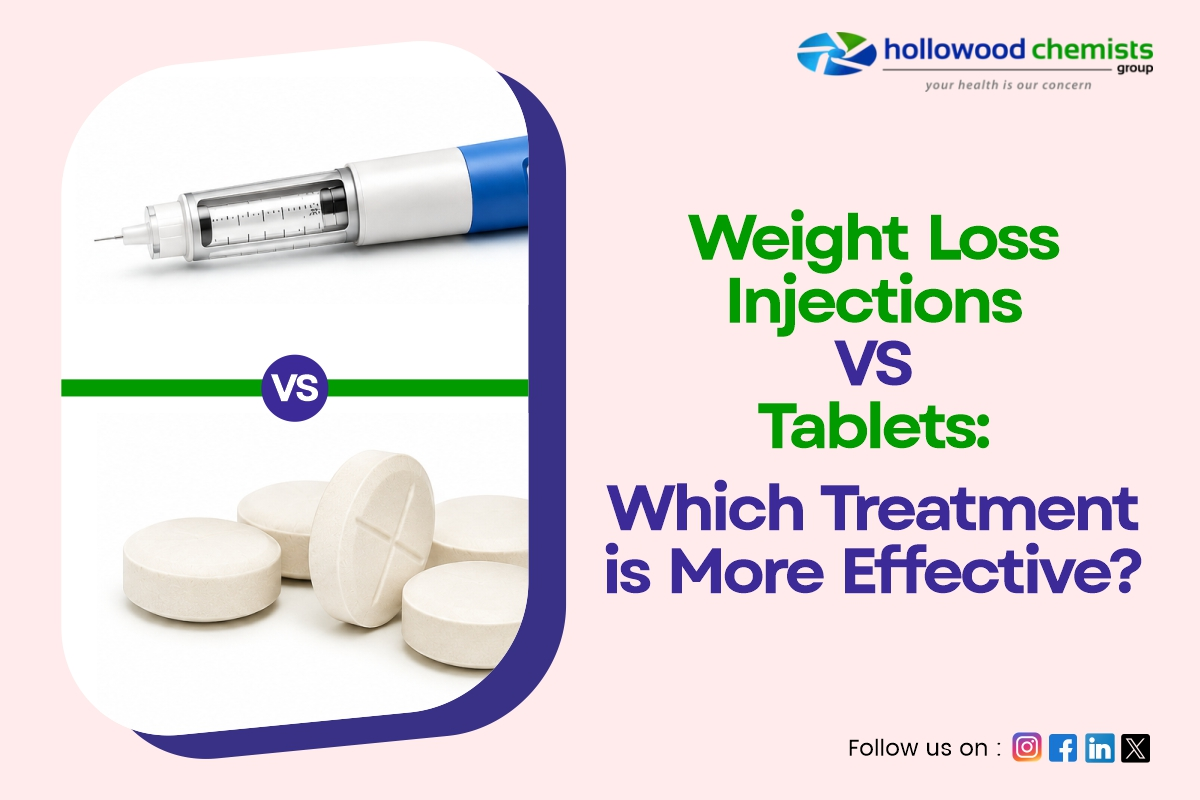
Comparison of weight loss injections and tablets available in the UK

Weight Loss Injections vs Tablets: Which Treatment Is Right for You?

Weight Loss Injections vs Tablets: Which Treatment Is Right for You?

Losing weight is not always straightforward. While eating a balanced diet and staying active remain the foundation of healthy weight management, some people may benefit from prescription weight-loss medication. In the UK, both weight loss injections and weight loss tablets are available to help eligible adults achieve and maintain a healthier weight.

With treatments such as Mounjaro®, Wegovy®, Oral Semaglutide, Orlistat, and Mysimba®,  many people wonder whether they should choose weight loss jabs or pills. The answer depends on several factors, including your health, lifestyle, personal preferences, and weight-loss goals.

This guide explains the differences between weight loss injections and tablets, how they work, and which option may be suitable for you.

Understanding Weight Loss Medication

Prescription weight-loss medicines are designed to support healthy lifestyle changes rather than replace them. They are typically recommended for adults who meet specific BMI criteria and have struggled to lose weight through diet and exercise alone.

What Are Weight Loss Injections?

Weight loss injections are medicines that help regulate appetite and reduce food cravings. They mimic hormones naturally produced in the body, helping you feel fuller for longer and consume fewer calories.

Popular weight loss injections available in the UK include:

These medicines are prescribed alongside dietary advice and increased physical activity to support long-term weight management.


Book a Consultation


What Are Weight Loss Tablets?

Weight loss tablets are oral medications taken daily. Depending on the medicine, they may reduce fat absorption or help control appetite and cravings.

Examples available in the UK include:

  • Wegovy pill
  • Orlistat
  • Mysimba®

For people who are uncomfortable with injections, tablets may provide a convenient alternative. Note, these tablets must be taken after an 8 hour fast on an empty stomach (e.g. just after you waks up). You must not consume anything other than water for 30 minutes after taking the medicines – such as other drinks, foods or medicines. Speak to your pharmacist for more information, especially if this affects the timings of taking other medicines. 

How Do These Treatments Work?

Although both treatments aim to support weight loss, they work differently.

Weight loss injections (Mounjaro or Wegovy) mainly suppress appetite and slow stomach emptying, helping you feel satisfied after smaller meals. By contrast, tablets such as Orlistat reduce the amount of fat absorbed from food, while Mysimba works on areas of the brain involved in hunger and cravings.

Regardless of the medication chosen, lasting results depend on maintaining healthy eating habits and regular physical activity.

Weight Loss Injections vs Tablets: What’s the Difference?

Both options can be effective, but they differ in terms of administration, convenience, and how they influence weight loss.

Most injections are taken weekly, whereas tablets usually require daily dosing. Injections mainly target appetite control, while tablets may work by reducing fat absorption or influencing hunger signals.

Comparison Table

Feature Weight Loss Injections Weight Loss Tablets
Frequency Weekly or daily Daily
Method Injection pen Oral tablet
Main action Appetite suppression Fat absorption or appetite control
Prescription required Yes Usually
Storage Some require refrigeration Room temperature
Suitable for needle phobia No Yes


Many patients prefer weekly injections because they are easier to fit into busy lifestyles. However, others appreciate the convenience and familiarity of taking tablets.

Weight Loss Jabs or Pills: Which Should You Choose?

Choosing between weight loss injections and tablets is a personal decision and should always involve a discussion with a qualified healthcare professional.

Several factors can influence which treatment is most appropriate:

  • Your body mass index (BMI)
  • Existing medical conditions
  • Previous weight-loss attempts
  • Lifestyle and personal preferences
  • Cost considerations
  • Tolerance of side effects

Ultimately, the right treatment is one that is safe, effective, and sustainable for your individual circumstances.

Who Are Weight Loss Tablets Suitable For?

Weight loss tablets can be an excellent option for people who prefer oral medication or are uncomfortable using injection pens. They may also appeal to those seeking a lower-cost treatment or individuals with more modest weight-loss goals.


Speak to a Healthcare Professional Today


Common Tablet Treatments Available in the UK

Oral Semaglutide ( Wegovy Pill )

Oral semaglutide ( Wegovy Pill) is a daily tablet designed to support weight loss by mimicking natural fullness hormones. Used alongside a reduced-calorie diet and increased physical activity, it helps reduce hunger and promote sustainable weight loss.

Orlistat

Orlistat works by reducing the amount of dietary fat absorbed by the body. It is usually taken with meals and is often recommended alongside a reduced-fat diet.

Mysimba®

Mysimba combines two active ingredients that influence appetite and food cravings. It may be prescribed for adults who meet the relevant eligibility criteria.

Weight Loss Tablets May Be Suitable For:

  • Patients who prefer oral medication.
  • Individuals uncomfortable with injections.
  • People seeking a more affordable treatment option.
  • Those aiming for gradual weight loss.
  • Adults who can commit to taking medication regularly.

Why Choose Weight Loss Injections Over Tablets?

In recent years, weight loss injections have attracted considerable attention because clinical studies have shown impressive results in suitable patients.

Medicines such as semaglutide and tirzepatide work by reducing appetite, increasing feelings of fullness, and helping people maintain a calorie deficit more easily. As a result, they can support significant weight reduction when combined with lifestyle changes.

Another advantage is convenience. Weekly injections mean patients do not need to remember multiple tablets each day, which many people find easier to manage.

Common Reasons People Choose Injections

  • Greater average weight loss.
  • Reduced appetite and food cravings.
  • Once-weekly administration.
  • Support for long-term weight management.
  • Clinically proven effectiveness.

Although injections may provide better results for some people, they are not automatically the best option for everyone. Cost, side effects, and individual preferences should always be considered.

Best Weight Loss Services in the UK

If you’re looking for the best weight loss services in the UK, it’s important to choose a provider that offers safe, clinically approved treatments together with professional support. Effective weight management is about much more than medication alone – ongoing guidance, regular reviews, and personalised care all play an important role in achieving sustainable results.

Hollowood Chemists – Trusted Weight Loss Support Across the UK

At Hollowood Chemists, we provide a comprehensive private weight management service designed around your individual needs. Whether you are considering Mounjaro, Wegovy, or other prescription weight loss treatments, our experienced pharmacists can help you find a suitable option following a clinical assessment. 

We offer competitive and effective weight loss services in North West England, including Trafford (SaleVillage), Bolton (Market), St Helens (GarswoodHeatonsMillfieldsHaydockBradlegh), Wigan (MoorsideMesnesInce, Blackhorse (Blackrod), Northwich (Barnton), Crewe, and Clayton in Staffordshire.

Our service focuses on supporting long-term lifestyle changes rather than offering quick fixes. Patients receive professional advice, treatment monitoring, and ongoing support throughout their weight loss journey.


All Pharmacy Sites


Weight Loss Injections vs Tablets: Results Comparison

Weight loss varies between individuals. Factors such as diet, exercise, age, and adherence to medication all influence outcomes. Clinical studies suggest that injectable treatments generally produce greater average weight loss compared with tablets.

Comparison Table

Treatment Active Ingredient How Often Is It Taken? Average Weight Loss
Mounjaro® Injection Tirzepatide Weekly Up to 22.5%
Wegovy® Injection Semaglutide Weekly Up to 15%
Wegovy Pill  Semaglutide Daily Up to 15%
Mysimba® Pill Naltrexone + Bupropion Daily Up to 9%
Orlistat Pill Orlistat Three times daily Up to 5–10%

Note: Individual outcomes can vary considerably from clinical trial averages and between individuals

Weight Loss Injections vs Tablets: Benefits and Drawbacks

Both forms of medication have advantages and disadvantages. Weight loss injections are often associated with higher effectiveness and greater appetite control. Weekly dosing also provides added convenience for many patients.

Benefits of Weight Loss Injections

  • Higher effectiveness.
  • Reduced hunger and cravings.
  • Convenient weekly dosing.
  • Support for long-term weight management.

Tablets, however, offer a needle-free approach and are generally easier to store. They are also typically less expensive than injectable treatments.

Benefits of Weight Loss Tablets

  • Needle-free treatment.
  • Easier storage.
  • Lower overall cost.
  • Suitable for patients uncomfortable with injections.

Potential Drawbacks

Neither option is completely free from side effects, and both require a long-term commitment to healthy lifestyle habits. Medication alone is unlikely to provide lasting results without dietary improvements and regular exercise.

Related Article: Rapid Weight Loss vs. Sustainable Weight Loss: Which One Actually Works Long-Term?

Side Effects of Weight Loss Injections and Tablets

Like all medicines, weight-loss treatments can cause side effects. Fortunately, many are mild and improve as the body adjusts.

Common Side Effects of Weight Loss Injections

The most frequently reported side effects include:

  • Nausea
  • Vomiting
  • Diarrhoea
  • Constipation
  • Stomach discomfort

Common Side Effects of Weight Loss Tablets

People taking tablets may experience:

  • Oily stools (specifically with Orlistat)
  • Flatulence
  • Abdominal discomfort
  • Headaches
  • Nausea

Related Article: Mounjaro Side Effects: Common Symptoms, Timeline, Warning Signs and How to Manage Them

When Should You Seek Medical Advice?

You should seek medical attention immediately if you experience:

  • Severe abdominal pain
  • Persistent vomiting
  • Signs of dehydration
  • Difficulty breathing
  • Symptoms of an allergic reaction

Always read the patient information leaflet supplied with your medicine.

Weight Loss Injections vs Tablets: Which Option Offers Better Results?

For many people, weight loss injections provide greater average weight reduction compared with tablets. However, effectiveness is only one part of the picture.

Tablets may still be the preferred choice for those who dislike injections, are looking for a lower-cost option, or have specific medical considerations.

There is no universal “best” treatment. The most suitable option depends on your health, preferences, and weight-loss goals. A healthcare professional can help assess your eligibility and recommend a treatment plan tailored to your needs.

Mounjaro vs Wegovy: Which Injection Is Better?

Mounjaro vs Wegovy medicines are effective, but they contain different active ingredients.

Mounjaro®

  • Contains tirzepatide.
  • May provide greater average weight loss.
  • Administered once weekly.

Wegovy®

  • Contains semaglutide.
  • Once-weekly injection.
  • Widely used for obesity management.

The most suitable option depends on your medical history, BMI, and individual treatment goals. A healthcare professional can help determine which treatment may be appropriate.

How to Store Weight Loss Injections and Tablets

Storage Requirements for Weight Loss Injections

Many injection pens require refrigeration before first use. Important points include:

  • Store according to the manufacturer’s instructions.
  • Avoid freezing.
  • Protect from excessive heat.
  • Follow guidance when travelling.

Storage Requirements for Weight Loss Tablets

Tablets are generally easier to store and should:

  • Be kept at room temperature.
  • Remain away from moisture and direct sunlight.
  • Be stored out of reach of children.
  • Never be used beyond their expiry date.

Related Article: How to Store Mounjaro ( Weight loss Injection ) Correctly Complete Guide 

Cost of Weight Loss Injections vs Tablets in the UK

Private treatment costs vary between providers.

Weight Loss Injection Prices

Treatment Typical Monthly Price
Mounjaro® £150–£350
Wegovy® £80–£220


Start Your Health Journey


Weight Loss Tablet Prices

Treatment Typical Monthly Price
Oral Semaglutide ( Wegovy ) Coming Soon.
Orlistat £35–£70
Xenical® £45–£90

Prices may vary depending on dosage and provider. Check Here

What Does the Hollowood Chemists Weight Loss Service Include?

  • Personalised weight loss consultations.
  • Access to prescription weight loss injections, including Mounjaro® and Wegovy®.
  • BMI and eligibility assessments.
  • Regular treatment reviews and dose adjustments.
  • Expert advice from qualified pharmacists.
  • Safe and regulated treatment from a trusted UK pharmacy.
  • Support with healthy eating and sustainable lifestyle changes.


Medication weight loss service

Switching from Mounjaro to a Semaglutide Tablet: What Should You Consider?

Switching from Mounjaro® (tirzepatide) to a semaglutide tablet is a clinical decision that should only be made following a consultation with a qualified healthcare professional. While both medicines can support weight management, they work differently and may not produce the same results for every patient.

Pill vs Injection

One of the main considerations is the method of administration. Mounjaro is a once-weekly injection, whereas semaglutide tablets must be taken daily according to specific instructions. Some people prefer the convenience of a weekly injection, while others feel more comfortable taking a tablet. The most suitable option is often the one that fits best with your lifestyle and helps you remain consistent with treatment.

Side Effect Tolerance

Both treatments can cause gastrointestinal side effects, particularly during the first few weeks of treatment. Common symptoms include nausea, vomiting, diarrhoea, constipation and abdominal discomfort. If you experience persistent or troublesome side effects whilst taking Mounjaro, your prescriber may discuss whether an alternative treatment could be appropriate.

Key Differences

Mounjaro contains tirzepatide, which activates both the GIP and GLP-1 receptors. Semaglutide medicines work only through the GLP-1 receptor pathway. Clinical studies have shown that tirzepatide may achieve greater average weight loss in some patients compared with semaglutide, although individual results vary and treatment decisions should always be based on clinical suitability rather than weight-loss expectations alone.

If you are considering changing from Mounjaro to another weight loss treatment, speak to a pharmacist or prescriber who can review your medical history, treatment progress and personal goals before making a recommendation.

Final Thoughts

Weight loss injections and tablets can both play an important role in supporting healthy weight management. While treatments such as Mounjaro® and Wegovy® have demonstrated impressive results, tablets like Oral Semaglutide, Orlistat, and Mysimba remain valuable options for many patients.

The best approach is one that combines appropriate medication with healthy eating, physical activity, and ongoing support. Before starting any treatment, always consult a qualified healthcare professional to ensure it is safe and suitable for you.


Medical Disclaimer

This article is intended for educational purposes only and does not replace personalised medical advice. Always speak to a qualified healthcare professional before starting or changing any weight-loss treatment.

References
Guide explaining Mounjaro, PCOS, fertility and period changes in women

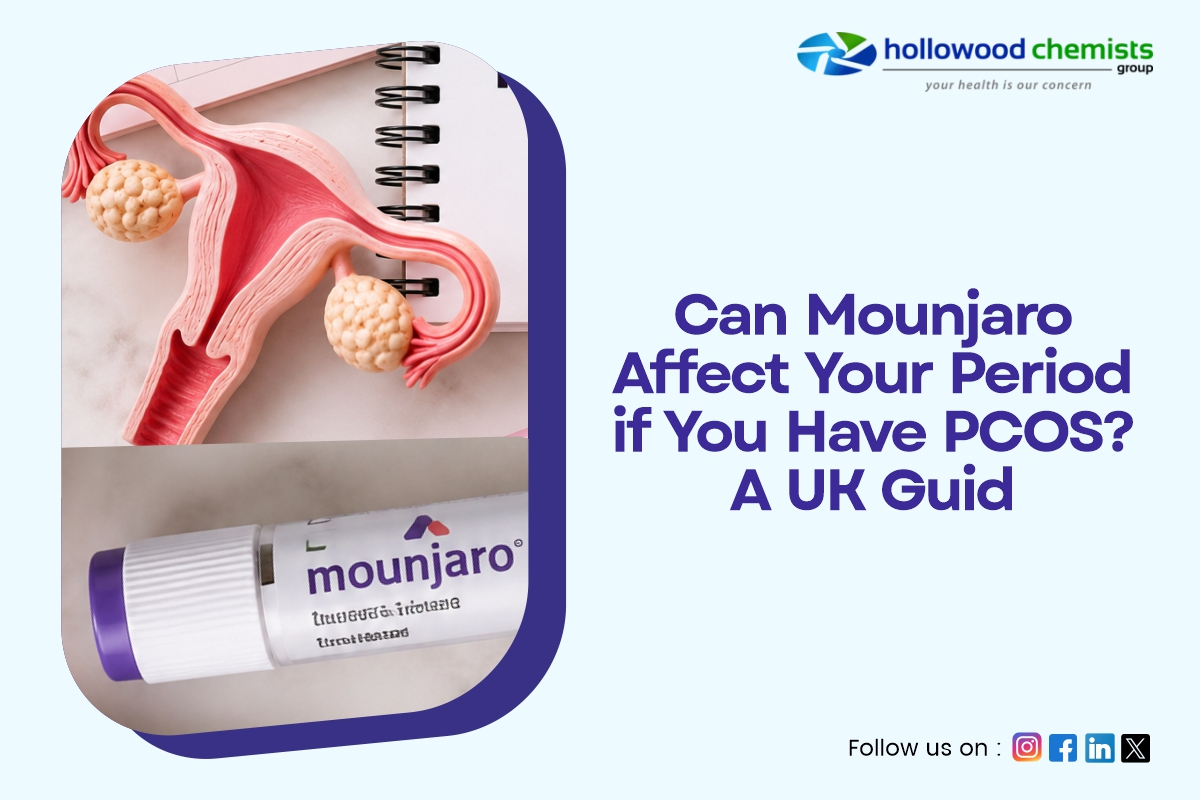
Can Mounjaro® Affect Your Period if You Have PCOS? A UK Guide to Weight Loss Injections and Period Delay Tablets

Can Mounjaro® Affect Your Period if You Have PCOS? A UK Guide to Weight Loss Injections and Period Delay Tablets

Yes, Mounjaro® (tirzepatide) can indirectly affect your period if you have PCOS. Although menstrual changes are not listed as a common side effect of Mounjaro, weight loss and improvements in insulin resistance may lead to changes in cycle length, bleeding patterns and ovulation. Some women experience temporary irregular periods, while others notice more regular menstrual cycles as their weight decreases.

Polycystic ovary syndrome (PCOS) is one of the most common hormonal conditions affecting women in the UK and is often associated with irregular periods, weight gain, acne and excess hair growth. Because insulin resistance plays a key role in PCOS, many women find losing weight particularly challenging.

With the increasing use of weight loss injections such as Mounjaro for PCOS, questions about Mounjaro and periods, fertility, ovulation and the use of period delay tablets have become more common. While some women report changes to their menstrual cycle after starting treatment, these effects are thought to be linked mainly to weight loss and hormonal changes rather than the medication itself.

Understanding how Mounjaro, PCOS and the menstrual cycle are connected can help women make informed decisions about their weight management and reproductive health.

Understanding PCOS and Irregular Periods

PCOS affects the way the ovaries function and is often associated with irregular or absent periods. Many women with the condition experience hormonal imbalances that interfere with normal ovulation.

Insulin resistance is a major factor in PCOS. Higher insulin levels can increase androgen production, which may disrupt the menstrual cycle and contribute to symptoms such as weight gain and fertility difficulties. This is why weight management is often recommended as part of a long-term treatment plan.

Common symptoms of PCOS include:

  •       Irregular periods or missed periods.
  •       Weight gain and difficulty losing weight.
  •       Acne and oily skin.
  •       Excess facial or body hair.
  •       Problems with fertility.
  •       Polycystic ovaries visible on ultrasound.

Even modest weight loss can help improve hormone balance and menstrual regularity in some women.


Book a Period Delay Consultation


Can Mounjaro Affect Your Period if You Have PCOS?

Many women wonder whether Mounjaro and periods are linked. At present, menstrual changes are not listed as a common side effect of Mounjaro, and there is no evidence to suggest that the medication directly affects the menstrual cycle.

However, some women report changes after starting treatment. These may include:

  •       Lighter periods.
  •       Heavier bleeding.
  •       Delayed periods.
  •       Spotting between periods.
  •       Shorter or longer cycles.
  •       More regular periods following weight loss.

Women with PCOS may be particularly aware of these changes because their hormone levels are already affected by the condition.

Most experts believe that period changes on Mounjaro are more likely to be related to weight loss, hormonal adjustments and improved insulin sensitivity rather than the medicine itself.


Read: Period Delay and the Contraceptive Pill: Can You Use Both?

Why Weight Loss Can Change Your Menstrual Cycle

If you have ever wondered, “Can weight loss affect your period?”, the answer is yes.

The NHS states that maintaining a healthy weight can improve menstrual regularity and help manage symptoms associated with polycystic ovary syndrome (PCOS). Rapid changes in body weight may temporarily alter the menstrual cycle, while gradual weight reduction often helps improve hormone balance in women with PCOS.

Some women experience:

  •       Delayed periods after weight loss.
  •       Temporary irregular periods.
  •       Changes in bleeding patterns.
  •       More regular cycles.
  •       Improved ovulation.

For women living with PCOS and irregular periods, these changes are often a sign that the body is adapting to improved metabolic health.

Mounjaro for PCOS: Can It Help with Weight Loss?

In the UK, the Medicines and Healthcare products Regulatory Agency (MHRA) has authorised Mounjaro (tirzepatide) for weight management and weight loss. It works by mimicking naturally occurring hormones that help regulate appetite and blood sugar levels.

Women with PCOS often find weight loss particularly challenging due to insulin resistance. By helping patients feel fuller for longer and reducing food cravings, Mounjaro may support sustainable weight loss when combined with healthy lifestyle changes.

Potential benefits of weight loss in women with PCOS include:

  •       Improved insulin resistance.
  •       Reduced androgen levels.
  •       Better metabolic health.
  •       Improved menstrual regularity.
  •       Reduced risk of developing type 2 diabetes.

Mounjaro for weight loss in PCOS should always be considered alongside a balanced diet, regular physical activity and professional medical advice.

Can Mounjaro Improve Fertility in Women with PCOS?

PCOS is one of the leading causes of ovulatory infertility. Excess weight and insulin resistance can affect ovulation, making conception more difficult.

Losing weight may help restore more regular ovulation and improve fertility in some women. As a result, some women taking Mounjaro notice that their cycles become more predictable.

However, it is important to remember that Mounjaro is not licensed as a fertility treatment. Its primary purpose is weight management.

Women who are planning a pregnancy should speak to their healthcare professional before starting treatment. Mounjaro is not recommended during pregnancy, and treatment should usually be stopped before trying to conceive.


Take the First Step Towards Better Health


Period Changes Reported by Women Taking Mounjaro

Although experiences vary, some women have reported menstrual cycle changes after starting Mounjaro.

These may include:

  •       Irregular periods on Mounjaro.
  •       Delayed periods.
  •       Heavier or lighter bleeding.
  •       Changes in PMS symptoms.
  •       Improved cycle regularity.
  •       Changes in ovulation patterns.

These effects may occur because weight loss and improved insulin sensitivity can influence reproductive hormones. In many cases, changes settle as the body adapts to treatment.

If you experience severe pain, unusually heavy bleeding or persistent changes to your cycle, you should seek medical advice.

Read: Weight Loss Injections vs Tablets: Which Treatment Is Right for You?

Can Weight Loss Improve Fertility in PCOS?

For many women with PCOS, losing weight can have a positive impact on hormone balance and reproductive health. Even modest weight loss may improve insulin resistance, support more regular ovulation and increase the likelihood of conception. Although Mounjaro is not licensed as a fertility treatment, improvements in weight and metabolic health may help restore more predictable menstrual cycles and enhance fertility in some women with PCOS.

Factor Before Weight Loss After Weight Loss
Insulin resistance Higher Lower
Ovulation Often irregular or absent May become more regular
Menstrual cycle Unpredictable Improved cycle regularity
Fertility Reduced due to irregular ovulation May improve with restored ovulation
Risk of type 2 diabetes Higher Lower
Hormone balance Increased androgen levels Improved hormonal control
Weight management Difficult to maintain Easier to sustain healthy weight
Pregnancy outcomes Increased risk of complications May improve overall reproductive health


According to the NHS, maintaining a healthy weight can help improve symptoms of polycystic ovary syndrome (PCOS) and support more regular periods and ovulation. Women taking Mounjaro for PCOS may therefore notice improvements in fertility and menstrual regularity as their weight decreases and insulin resistance improves. However, anyone planning a pregnancy should speak to a healthcare professional, as Mounjaro should not be used during pregnancy.

Can Women with PCOS Use Period Delay Tablets?

Yes, many women with PCOS can safely use period delay tablets following a medical assessment.

Period delay tablets containing norethisterone are commonly prescribed to temporarily postpone periods for holidays, weddings, sporting events or other special occasions. However, treatment is not suitable for everyone.

Your healthcare professional will consider factors such as:

  •       Your age.
  •       Smoking status.
  •       History of blood clots.
  •       Liver conditions.
  •       Migraine history.
  •       Pregnancy or breastfeeding.
  •       Current medications.
  •       Existing hormonal treatments.

A consultation is important to ensure that period delay medication is appropriate for your individual circumstances.

Read: Period Delay for Teens vs Adults: What’s Different and What’s Safe?

Period Delay Tablets from Hollowood Chemists

Always seek professional advice before using period delay tablets. Hollowood Chemists provides a confidential period delay service for women who wish to postpone their periods for holidays, special occasions, or important events. Our service is available across  North West England, including St Helens (Garswood, Heatons, Millfields, Haydock, Bradlegh), Wigan (Moorside, Mesnes, Ince, Blackhorse (Blackrod), Bolton (Market), Trafford (Sale, Village), Northwich (Barnton), Crewe, and Clayton in Staffordshire. 

Following a suitability assessment, eligible patients may be prescribed norethisterone tablets. Our pharmacists provide clear advice on how to take the medication and what to expect during treatment.


Speak to a Pharmacy Professional


Is It Safe to Take Period Delay Tablets While Using Mounjaro?

Many women ask whether it is safe to use period delay tablets alongside Mounjaro.

Currently, there is no evidence of a direct interaction between tirzepatide (Mounjaro) and norethisterone. For many women, both medicines may be suitable when prescribed appropriately.

However, treatment should always be assessed on an individual basis. Factors such as medical history, blood clot risk, future pregnancy plans and existing health conditions should all be taken into account.

Read: Can You Take Weight Loss Medication and Period Delay Tablets Together? A UK Medical Guide


Mounjaro slows stomach emptying, which may affect how some oral medicines are absorbed. Women taking oral contraception should discuss this with their healthcare professional, as additional precautions may be recommended after starting treatment or increasing the dose.

Tracking Your Menstrual Cycle While Taking Mounjaro

Monitoring your menstrual cycle can help you recognise changes and provide useful information for discussions with your healthcare professional.

It can be helpful to record:

  •       Cycle length.
  •       Bleeding patterns.
  •       PMS symptoms.
  •       Pelvic pain or cramping.
  •       Mood changes.
  •       Energy levels.

You should seek medical advice if you experience:

  •       Very heavy bleeding.
  •       Severe abdominal pain.
  •       Bleeding between periods.
  •       Persistent irregular periods.
  •       Missed periods with a possibility of pregnancy.
  •       Symptoms that are causing concern.


Get Personalised Advice – Book a Consultation 


When Should You Speak to a Healthcare Professional?

While many menstrual changes are temporary, certain symptoms should always be assessed by a healthcare professional.

You should seek advice if you experience:

  •       Sudden or severe abdominal pain.
  •       Persistent vomiting.
  •       Heavy or prolonged bleeding.
  •       Significant changes to your menstrual cycle.
  •       Symptoms of pregnancy.
  •       Symptoms affecting your quality of life.

Women with PCOS who are planning a pregnancy or receiving fertility treatment should also discuss their options with a qualified healthcare professional.

Read: Period Delay for Teens vs Adults: What’s Different and What’s Safe?

How to Get Mounjaro for PCOS in the UK

Mounjaro is available through private weight management services like Hollowood Chemists and selected NHS pathways for eligible patients. Before treatment is prescribed, healthcare professionals will assess your medical history, weight, BMI and suitability.

Private services can provide convenient access to treatment and ongoing support.

Patients considering Mounjaro should always use regulated providers and avoid unlicensed medicines purchased from unreliable sources.

Private Weight Loss Injection Services at Hollowood Chemists

At Hollowood Chemists, we offer professional and patient-focused weight management services designed to support long-term health.

Following a consultation, eligible patients may receive access to prescription weight loss injections, including:

  •       Mounjaro.
  •       Wegovy.

Our service includes:

  •       Personalised Mounjaro consultations.
  •       BMI and eligibility assessments.
  •       Ongoing treatment reviews.
  •       Dose adjustments where appropriate.
  •       Expert advice from qualified pharmacists.
  •       Support healthy lifestyle changes.


Medication weight loss service


Medical Disclaimer

This article is intended for educational purposes only and does not replace personalised medical advice. Always speak to a qualified healthcare professional before starting or changing any weight-loss treatment.

References
Guide showing how to store Mounjaro correctly in the UK

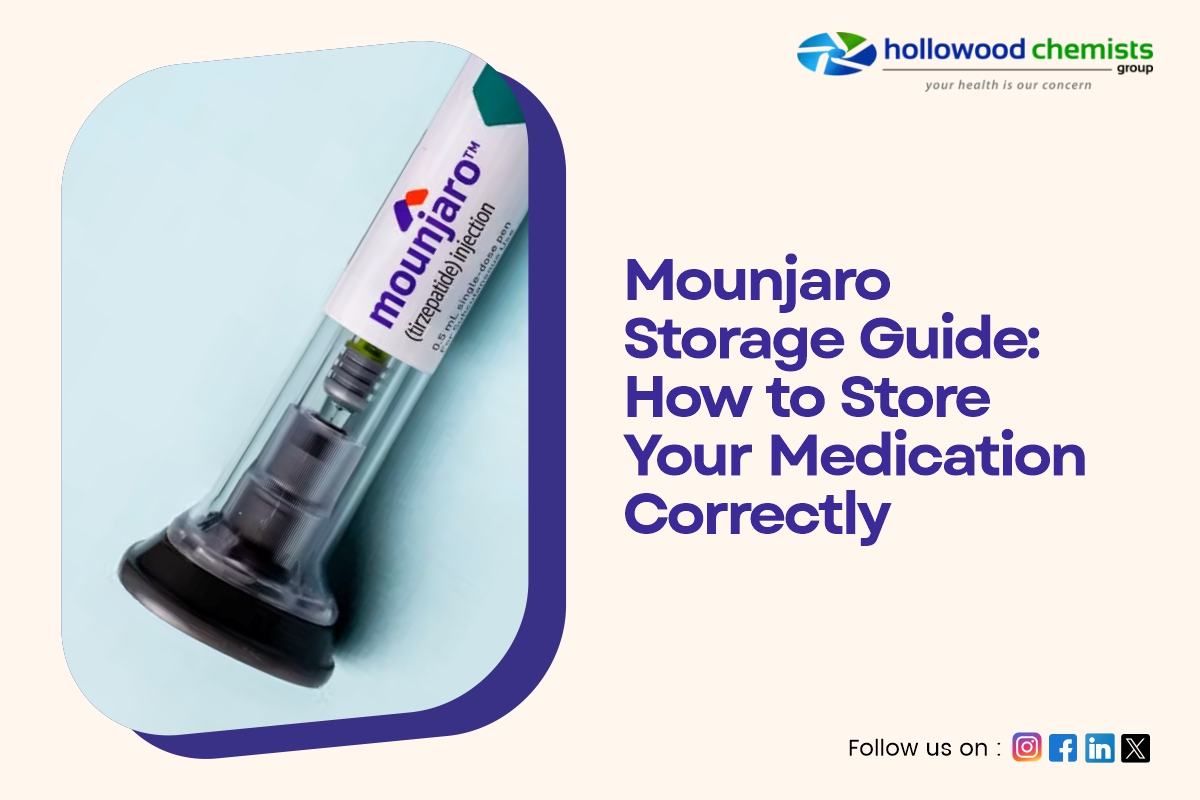
How to Store Mounjaro ( Weight loss Injection ) Correctly ? Complete Guide

How to Store Mounjaro ( Weight loss Injection ) Correctly Complete Guide 

For Mounjaro® (tirzepatide) to work effectively and safely, it is essential that your KwikPen is stored at the correct temperature. Mounjaro is a temperature-sensitive medication, and incorrect storage can reduce its effectiveness or make it unsafe to use. How you should store your KwikPen depends mainly on whether it is unopened (not yet in use) or currently in use.

Following the correct storage guidelines ensures you get the full therapeutic benefit from each dose and helps you avoid wasting expensive medication. Below is a detailed, step-by-step guide based on official manufacturer instructions from Lilly UK, the NHS British National Formulary (BNF), and the Electronic Medicines Compendium (EMC).

Storing Unopened Mounjaro Pens (Before First Use)

All unopened Mounjaro pens must be stored in a refrigerator until you are ready to use them. This is why Mounjaro is delivered in temperature-controlled packaging designed to maintain the correct cold chain from the pharmacy to your home.

✅ Correct Storage Steps for Unopened Pens:

  • Refrigerate immediately: Keep your KwikPen in the fridge at 2°C to 8°C as soon as you receive it.
  • Keep in original packaging: Store pens in their original packaging, which clearly displays their use-by (expiry) date and protects the medicine from light.
  • Use a reliable fridge: Choose a domestic refrigerator that maintains a steady temperature and does not risk fluctuating.
  • Avoid the fridge door: Never store unused Mounjaro pens in the refrigerator door, as this area experiences the most temperature variation due to frequent opening.

❌ What to Avoid with Unopened Pens:

  • Never freeze the Mounjaro pen: Freezing permanently damages the tirzepatide molecule and makes the medication completely unsuitable for use. If a pen becomes frozen, it must be discarded safely, even if it appears normal after thawing.
  • Do not store near the freezer compartment: Extreme proximity to freezing elements or the cooling plate can cause localized freezing.
  • Do not use if expired: Never use a pen past the expiry date printed on the carton.

Important Safety Note: If your unused Mounjaro pen has been frozen, stored outside the recommended temperature range, or is past its expiry date, it should be discarded safely. Do not attempt to use it. Contact your pharmacist or prescriber for advice on obtaining a replacement.


Get Professional Weight Loss Support


Storing Mounjaro Pens That Are In Use (After First Use)

Once you have opened your Mounjaro KwikPen and administered your first dose, you have flexibility in how you store it. You can choose to keep it refrigerated or store it at room temperature, depending on your convenience.

✅ Two Safe Storage Options for Pens In Use:

  • Option 1: Room Temperature Storage
    • Store unrefrigerated for up to 30 days.
    • The temperature must not exceed 30°C at any time.
    • Ideal for people who travel frequently or prefer injecting medication at room temperature to minimize standard injection site sting.
  • Option 2: Refrigerated Storage
    • Store in the fridge at 2°C to 8°C.
    • Suitable if your living environment is prone to getting warm or exceeding 30°C.

✅ Key Rules for Pens In Use:

  • Keep the pen away from direct heat sources (e.g., radiators, direct sunlight, or window sills).
  • Store out of sight and out of reach of children and pets.
  • Keep the pen cap attached when not in use to protect the cartridge from light and contamination.
  • Never store the pen with a needle attached: Leaving the needle on can cause air bubbles to form inside the cartridge and may leak medication, directly compromising dose accuracy.
  • Discard the pen exactly 30 days after first use, even if medication remains inside.

Note on Temperature Cycling: Lilly has confirmed that cycling the KwikPen between refrigerated conditions (2°C–8°C) and room temperature conditions (up to 30°C) during the 30-day in-use period does not impact product quality. Moving your pen between the fridge and room temperature is safe, provided the total cumulative time out of the fridge doesn’t breach the 30-day limit.

Temperature Storage Summary

Storage Situation Recommended Temperature Maximum Duration Key Notes
Unopened pen (before first use) 2°C – 8°C (refrigerator) Until expiry date Must always be refrigerated; never freeze.
Opened pen (in use) — refrigerated 2°C – 8°C (refrigerator) Up to 30 days from first use Safe alternative to room temperature storage.
Opened pen (in use) — room temperature Up to 30°C (maximum) Up to 30 days from first use Must not exceed 30°C; discard after 30 days.
Frozen pen Below 0°C Do not use Discard immediately in a sharps bin, even if thawed.


Medication weight loss service


What to Do If Mounjaro Has Been Stored Incorrectly

Incorrect storage can happen unexpectedly, for example, if you forget to put a new pen back in the fridge, if your home experiences a power cut, or if a pen is accidentally left in a warm environment.

Storage Scenarios & Recommended Actions

Scenario What Happened Recommended Action
Unused pen left out of the fridge overnight An unopened, brand-new pen was left at room temperature overnight (e.g., on a kitchen counter). If the room temperature remained below 30°C, the pen is still safe to use, but its 30-day room-temperature limit has started. It should either be used as your next pen immediately or returned to the fridge. If you return it to the fridge, remember it must be completely used within 30 days total of cumulative room-temperature exposure.
Used pen left out of the fridge overnight A pen already in use was left out of the fridge overnight. As long as the room temperature did not exceed 30°C, the pen can continue to be used normally within its original 30-day window from the date of first use.
My Mounjaro pen has frozen The pen was exposed to freezing temperatures (e.g., left too close to the fridge ice box or left outside in winter). Do not use. Discard the pen immediately, even if it has completely thawed out. Freezing destroys the active protein structure. Contact Hollowood Chemists for assistance with a replacement.
Room temperature exceeded 30°C The pen was exposed to high heat (e.g., left in a hot car, near an oven, or in direct sunlight). Exposure to temperatures above 30°C degrades the active ingredient. Do not use the pen. Contact our pharmacy team or your prescriber to arrange a safe replacement supply.
Unopened Mounjaro pen is past its expiry date The use-by date printed on the outer packaging carton has passed. Never use expired medication. The chemical stability can no longer be guaranteed. Dispose of it safely in your sharps container.


Get Expert Advice Today

Common Mounjaro Storage Mistakes and How to Avoid Them

Common Mistake Potential Risk Best Practice to Avoid It
Leaving Mounjaro pens in a car Temperatures inside vehicles can skyrocket past 30°C in minutes, rapidly degrading the tirzepatide molecule and ruining the pen. Use an insulated medical travel pouch when transporting your pen. Never leave your medication inside a parked car, regardless of the season.
Losing track of the 30-day room-temperature window Injecting degraded medication after 30 days can lead to reduced efficacy, blood sugar fluctuations, or under-dosing. Write the date you first used or removed the pen from the fridge directly onto the space provided on the carton box or pen cap.
Storing the pen with a needle attached Can introduce air bubbles into the cartridge, cause medication to leak out, and increase the risk of localized bacterial contamination. Always remove and safely dispose of the injection needle immediately after finishing your dose. Never store the pen with a needle attached.

Important Safety Notice

Always follow the Patient Information Leaflet (PIL) supplied with your Mounjaro pen. The leaflet contains official manufacturer instructions specific to your medication. If you are unsure whether your medication has been stored correctly, seek advice from your pharmacist or healthcare professional before using it. Do not make assumptions about safety.

How to Dispose of Mounjaro Safely

Mounjaro pens and their accompanying needles are classified as clinical sharps waste. They cannot be thrown into your standard domestic household recycling or waste bins.

  1. Use an approved sharps bin: All used needles and empty KwikPens must go directly into a yellow medical sharps container.
  2. Never re-use or share needles: Each weekly injection requires a fresh, sterile needle to prevent blockages, inaccurate dosing, and infection.
  3. Know when to discard the pen: The Mounjaro KwikPen is designed to deliver exactly four full weekly doses. Once you have administered your fourth dose, the entire pen should be discarded into your sharps bin, even if a small residual amount of fluid remains at the bottom of the glass cartridge.
  4. Arrange local council collection: Once your yellow sharps bin reaches the fill line, do not force it shut. Contact your local UK council to arrange a scheduled clinical waste collection, or check with our team at Hollowood Chemists to see if your local branch participates in a sharps take-back scheme.

Read: Mounjaro Side Effects: Common Symptoms, Timeline, Warning Signs and How to Manage Them

Storage Requirements for Wholesalers, Healthcare Professionals, and Pharmacies

Professional cold chain storage requirements are exceptionally strict compared to patient guidelines:

  • Mandatory Refrigeration: All Mounjaro stock held by pharmacies, wholesalers, or clinics must be continuously maintained between 2°C and 8°C inside certified, monitored medical refrigerators.
  • No Room-Temperature Allowance: The 30-day room-temperature allowance applies strictly to patients once a pen is in active use. Wholesalers and pharmacies cannot utilize any portion of this 30-day window during storage, distribution, or shelf display.

Storing Your Pen When Room Temperatures Exceed 30°C

During peak summer months or when travelling to hot climates, indoor UK temperatures can occasionally climb above 30°C. If your home gets warm, implement these protective steps:

  • Move your active KwikPen back into the main compartment of your refrigerator (2°C–8°C) to protect it from heat spikes.
  • Store the pen in the coolest room of your house, ensuring it is away from kitchens, sunny window sills, or bathrooms subject to hot steam.
  • If travelling locally on warm days, employ an insulated cooling wallet with a cold gel pack, ensuring the gel pack does not directly touch the pen casing to prevent accidental freezing.

Read: Rapid Weight Loss vs. Sustainable Weight Loss

Mounjaro KwikPen Device Update (UK Rollout)

Lilly has introduced a subtly modified version of the Mounjaro KwikPen device across the UK market. This transition begins with the 5mg strength and will roll out across other strengths as existing pharmacy stocks naturally clear.

What is changing:

  • The internal plunger component has been extended slightly to maximize structural dosing accuracy.
  • The plunger sits in a slightly different starting position in a brand-new, unused pen.
  • The final dose tracking mechanism has been optimized, offering a clearer, more definitive mechanical stop once your fourth weekly dose is complete to minimize leftover medication waste.

What remains exactly the same:

  • Your weekly injection routine, dose strength, and step-by-step preparation steps are completely unchanged. Both versions are equally safe, effective, and clinically verified.


Get Professional Weight Loss Support 


Frequently Asked Questions (FAQs)

Q1: What is the total shelf life of an unopened Mounjaro KwikPen?

A. The overall shelf life is 24 months from the date of manufacture, provided the pen remains uninterrupted within the cold chain at 2°C–8°C. Always look at the formal expiration date stamped onto your specific box before use.

Q2: Can I use Mounjaro if it was accidentally frozen and then thawed?

A. Absolutely not. Freezing alters the molecular integrity of tirzepatide. Even if the solution looks perfectly clear after thawing, the medication’s structural proteins have broken down, making it ineffective or unsafe. Discard it immediately.

Q3: How do I keep Mounjaro cold when travelling on long flights?

A. Always carry your Mounjaro pens in your hand luggage; never place them in checked hold luggage, as aircraft baggage holds frequently drop below freezing. Use an insulated travel case with cold gel packs, keeping a layer of material between the pack and your pen box to avoid direct freezing.

Q4: If I miss a weekly dose, does my pen last longer?

A. The pen can still deliver its remaining doses, but the 30-day expiry rule takes absolute priority. Once a KwikPen is pierced or removed from the fridge for room-temperature storage, it must be thrown away after 30 days, regardless of how many doses are left inside.

Q5: Can I safely move my pen back and forth between the fridge and room temperature?

A. Yes. Official manufacturer stability data confirms that standard temperature cycling between a 2°C–8°C fridge and ambient room conditions (up to 30°C) does not negatively impact the quality, safety, or stability of the medicine during that 30-day in-use window.


Final Reminders for Safe Mounjaro Storage

  • Unopened pens: Always refrigerate at 2°C–8°C; never allow them to freeze.
  • Opened pens: Can be stored in the fridge OR at room temperature (up to 30°C) for a maximum of 30 days.
  • Strict Discard Rule: Safe disposal must occur 30 days after first use or after 4 weekly doses have been taken whichever comes first.
  • Needle Safety: Always remove the needle immediately after your injection; never store a pen with a needle attached.
Medical Disclaimer

This article is intended for educational purposes only and does not replace personalised medical advice. Always speak to a qualified healthcare professional before starting or changing any weight-loss treatment.

References


Information about insurance cover for Mounjaro and Wegovy in the UK.

Does Insurance Cover Weight Loss Medications Such as Mounjaro® and Wegovy® in the UK?

Does Insurance Cover Weight Loss Medications Such as Mounjaro and Wegovy in the UK?

No, most private health insurance policies in the UK do not routinely cover weight loss medications such as Mounjaro® (tirzepatide) and Wegovy® (semaglutide). However, coverage varies between insurers and individual policies, and some patients may be eligible for treatment through NHS weight management services or choose to access medication privately through regulated pharmacies.

As weight loss injections become increasingly popular across the UK, many people are asking whether private medical insurance will help cover the cost. Treatments such as Mounjaro and Wegovy have shown promising results for eligible adults living with overweight and obesity, but private treatment can be expensive. Understanding what is and is not covered can help you make informed decisions about your health and finances.

Does Insurance Cover Weight Loss Medication?

In most cases, weight loss medications are not routinely included within standard private health insurance policies in the UK. Insurers often classify obesity as a long-term or chronic condition, and many policies exclude ongoing treatments and medicines used for weight management.

However, every insurance provider and policy is different. Some comprehensive plans may include consultations with specialists, nutritional support, or obesity management programmes, although the medication itself may still need to be paid for privately.

If you have private medical insurance, it is worth checking:

  •       Whether obesity treatment is included.
  •       If prescription medicines are covered.
  •       Whether specialist referrals are required.
  •       Any exclusions relating to pre-existing conditions.

Before beginning treatment, patients should always review their policy documents or speak directly with their insurer.

What Are Mounjaro and Wegovy?

Mounjaro and Wegovy are prescription medicines approved in the UK for weight management in eligible adults. They belong to a group of medicines known as GLP-1 receptor agonists, which work by helping people feel fuller for longer and reducing appetite.

What Is Mounjaro?

Mounjaro contains tirzepatide, a medicine that acts on hormones involved in appetite regulation and blood sugar control. It is administered as a once-weekly injection and is prescribed alongside healthy eating and increased physical activity.

What Is Wegovy?

Wegovy contains semaglutide, another weekly injection designed to support weight loss by reducing hunger and helping patients consume fewer calories.

Both medicines require a clinical assessment and are only suitable for certain individuals.


Book a Consultation


Who Qualifies for Weight Loss Medication?

Not everyone is suitable for weight loss injections.

According to NICE guidance, treatment may be considered for adults who:

  •       Have a Body Mass Index (BMI) of 30 kg/m² or above.
  •       Have a BMI of 27 kg/m² or above alongside weight-related health conditions.

These conditions may include:

  •       Type 2 diabetes.
  •       High blood pressure.
  •       High cholesterol.
  •       Sleep apnoea.
  •       Cardiovascular disease.

Eligibility is determined following an individual clinical assessment.

Read: Weight Loss Injections vs Tablets: Which Treatment Is Right for You?

Why Many Insurance Companies Do Not Cover Weight Loss Medication

One of the most common questions patients ask is why insurers are reluctant to provide cover for obesity medications.

Several factors contribute to this.

Long-Term Treatment Costs

Weight loss injections are often prescribed for several months or longer. This creates ongoing costs for insurance providers, making routine coverage more challenging.

Obesity Is Considered a Chronic Condition

Many insurance policies focus on acute illnesses and surgical procedures rather than chronic conditions. As obesity is generally managed over the long term, treatment is frequently excluded.

Increasing Demand

The popularity of Mounjaro and Wegovy has risen significantly. Growing demand places financial pressure on insurers and affects decisions regarding coverage.

Policy Limitations

Insurance benefits vary considerably. Higher-level policies may offer broader healthcare support than standard plans, but medication costs are still commonly excluded.

Is Mounjaro Covered by Insurance in the UK?

At present, Mounjaro is not routinely covered by most private health insurance providers in the UK. Some enhanced policies may offer access to obesity specialists or weight management programmes, but the cost of the medication itself is often excluded.

Coverage depends entirely on individual policy terms and may vary between providers such as:

  •       Bupa.
  •       AXA Health.
  •       Aviva.
  •       Vitality.
  •       Other providers.

Because policies change over time, it is always advisable to contact your insurer directly before starting treatment.


Book a Consultation

Read: How to Store Mounjaro ( Weight loss Injection ) Correctly Complete Guide 

Is Wegovy Covered by Insurance in the UK?

Wegovy is in a similar position.

Although some health insurance plans may provide support for consultations and specialist referrals, the medication itself is frequently excluded from standard cover.

Patients considering Wegovy should ask their insurer:

  •       Does my policy cover obesity treatment?
  •       Are prescription medicines included?
  •       Will I require a referral?
  •       Are there any exclusions that apply?

Understanding these details in advance can help avoid unexpected costs.

Can Employer Health Insurance Cover Weight Loss Medication?

Some employer-sponsored health insurance schemes provide wider benefits than standard personal policies.

Depending on the level of cover, workplace health plans may include:

  •       Specialist consultations.
  •       Nutritional advice.
  •       Lifestyle support.
  •       Obesity management programmes.

However, coverage for Mounjaro or Wegovy remains variable and should always be confirmed with the insurer.

The Growing Popularity of Weight Loss Medication

Weight loss injections have become increasingly popular in recent years. Clinical studies have demonstrated significant benefits when these medicines are combined with healthy lifestyle changes.

Several factors have contributed to rising demand:

  •       Increased awareness of obesity as a medical condition.
  •       Improved effectiveness compared with older treatments.
  •       Greater access through private healthcare providers.
  •       Strong clinical trial results.
  •       Public awareness through media and social platforms.

In the UK, the Medicines and Healthcare products Regulatory Agency (MHRA) has authorised both Mounjaro and Wegovy for weight management and weight loss in eligible adults.

Can You Get Mounjaro or Wegovy Through the NHS?

Some patients may qualify for treatment through NHS weight management services.

Access depends on:

  •       Body Mass Index (BMI).
  •       Existing health conditions.
  •       Local NHS pathways.
  •       Specialist referral requirements.

Availability can vary across the UK, and waiting times may apply. Patients should speak with their GP or healthcare professional to determine whether they meet the eligibility criteria.

Read: Mounjaro Side Effects: Common Symptoms, Timeline, Warning Signs and How to Manage Them

How Much Do Mounjaro and Wegovy Cost Without Insurance?

Patients who do not have insurance cover often choose to pay privately.

Treatment Typical Monthly Cost
Mounjaro £179.9(–£350
Wegovy £129.99–£220
Wegovy Pill £ coming soon

How Can Patients Afford Weight Loss Medication?

For individuals without insurance cover, there are several ways to access treatment.

NHS Weight Management Services

Eligible patients may receive treatment through specialist NHS pathways.

Private Pharmacy Services

Regulated pharmacies provide:

  •       Clinical assessments.
  •       Prescription weight loss injections.
  •       Ongoing reviews.
  •       Lifestyle advice.
  •       Monitoring and support.

Employer Benefits

Some workplace health plans may contribute towards specialist obesity management services.


Get Personalised Support


Patient Assistance Programmes for Weight Loss Medication

Manufacturers and healthcare providers may offer educational resources and support programmes designed to help patients achieve long-term success.

These may include:

  •       Lifestyle advice.
  •       Treatment guidance.
  •       Regular monitoring.
  •       Educational materials.

Patients should discuss available support with their healthcare professional.

Safety Concerns When Stopping GLP-1 Weight Loss Medication

Stopping medicines such as Mounjaro or Wegovy without medical advice can affect long-term results.

Some patients may experience:

  •       Increased appetite.
  •       Return of food cravings.
  •       Weight regain.
  •       Reduced blood sugar benefits.
  •       Loss of previous progress.

Weight management medicines are most effective when used alongside sustainable lifestyle changes and under professional supervision.


Read: What Happens When You Stop Taking Mounjaro? The Truth About Weight Regain

Things to Consider Before Starting Treatment

Weight loss injections are not suitable for everyone.

Before prescribing treatment, healthcare professionals will consider:

  •       Your BMI.
  •       Existing medical conditions.
  •       Current medications.
  •       Pregnancy or breastfeeding status.
  •       Previous weight loss attempts.
  •       Potential side effects.

Common side effects may include:

  •       Nausea.
  •       Vomiting.
  •       Constipation.
  •       Diarrhoea.
  •       Abdominal discomfort.

Most side effects are mild and improve as treatment progresses.

Weight Loss Injection Services at Hollowood Chemists

At Hollowood Chemists, we understand that weight management is a personal journey. Our experienced pharmacy team offers safe, patient-centred care and effective weight loss services tailored to individual needs. We support patients across North West England, including Trafford (Sale, Village), Bolton (Market), St Helens (Garswood, Heatons, Millfields, Haydock, Bradlegh), Wigan (Moorside, Mesnes, Ince, Blackhorse (Blackrod), Northwich (Barnton), Crewe, and Clayton in Staffordshire. for individuals considering prescription weight loss treatments. 

Our services include:

  •       Mounjaro consultations.
  •       Wegovy assessments.
  •       Prescription weight loss injections.
  •       Ongoing pharmacist reviews.
  •       Lifestyle and nutritional guidance.
  •       Personalised treatment plans.


Book a Consultation today


Medical disclaimer: This article is for informational purposes only. It does not constitute medical advice. Always consult a registered healthcare professional before starting, changing, or stopping any medication.

Patient information about Mounjaro doses, side effects and treatment management.

Mounjaro Side Effects: Common Symptoms, Timeline, Warning Signs and How to Manage Them

Mounjaro Side Effects: Common Symptoms, Timeline, Warning Signs and How to Manage Them

Mounjaro® (tirzepatide) is a prescription weight loss medication used to support long-term weight management in eligible adults. As a dual GIP and GLP-1 receptor agonist, it works by reducing appetite, slowing gastric emptying, and helping people feel fuller for longer.

Like all medicines, Mounjaro can cause side effects. Most are mild to moderate and affect the digestive system, particularly during the first few weeks of treatment or after a dose increase. Understanding common Mounjaro side effects, knowing when symptoms may occur, and recognising warning signs can help patients use the medication safely and confidently.

The good news is that many side effects improve over time as the body adjusts to treatment. At Hollowood Chemists, patients receiving support through our private weight loss services are encouraged to report any persistent symptoms so they can be managed appropriately.

Mounjaro Side Effects by Dose

Dose Common Side Effects What to Expect
2.5mg Mild nausea, reduced appetite, burping Starter dose designed to improve tolerability
5mg Nausea, diarrhoea, constipation Side effects may increase temporarily
7.5mg Bloating, reflux, fatigue Adjustment period often needed
10mg Increased gastrointestinal symptoms in some patients Appetite suppression becomes stronger
12.5mg Similar symptoms but often less noticeable with adaptation Continued monitoring recommended
15mg Highest therapeutic dose Side effects vary depending on individual tolerance


Common Mounjaro Side Effects

Like all prescription medicines, Mounjaro can cause side effects. Fortunately, many of the most common side effects are mild to moderate and often improve as the body adjusts to treatment. Most side effects affect the digestive system because tirzepatide influences how quickly the stomach empties and how appetite signals are regulated.

Not everyone experiences side effects, and the severity can vary significantly between individuals. Some people report very few symptoms, while others notice digestive discomfort during the early stages of treatment or after a dose increase.


Book Weight loss consultation

Mounjaro Nausea

Mounjaro nausea is one of the most frequently reported side effects. Many patients describe a feeling of mild queasiness during the first few weeks of treatment. This is often most noticeable after eating large meals or consuming foods high in fat.

In many cases, nausea improves as the body adapts to tirzepatide. Eating smaller meals, avoiding overly rich foods, and remaining well-hydrated may help reduce symptoms. If nausea becomes severe or persistent, it is important to seek advice from your healthcare professional.

  • Management tips: Eat smaller meals, avoid rich or fatty foods, and drink fluids regularly.

Mounjaro Diarrhoea

Changes in bowel habits can occur during treatment, particularly in the early stages. Mounjaro diarrhoea may develop as the digestive system adapts to changes in gastric emptying and appetite regulation. Symptoms are usually temporary, although maintaining adequate fluid intake is vital to prevent dehydration.

Patients experiencing prolonged diarrhoea should consult their prescriber for further assessment.

  • Management tips: Stay hydrated, avoid greasy foods, and monitor symptoms carefully.

Mounjaro Constipation

While some patients experience diarrhoea, others may notice constipation. Mounjaro constipation can occur because food moves through the digestive tract more slowly. Drinking sufficient water, increasing dietary fibre, and maintaining regular physical activity may help improve symptoms. Persistent constipation should not be ignored, particularly if it is accompanied by abdominal pain or significant discomfort.

  • Management tips: Increase fibre gradually, drink plenty of water, and maintain regular physical activity.

Vomiting and Indigestion

Some individuals experience occasional vomiting or indigestion, especially during dose escalation. These symptoms often improve over time, but eating slowly and avoiding very large meals may help reduce discomfort. If vomiting becomes severe or leads to dehydration, medical advice should be sought promptly.

Reduced Appetite

Although reduced appetite is often considered a treatment benefit, some people find the change more significant than expected. Feeling fuller sooner during meals is common, and many patients naturally consume fewer calories without consciously restricting food intake. However, it remains important to maintain adequate nutrition and ensure meals contain sufficient protein, vitamins, and minerals.

Also Read: Rapid Weight Loss vs. Sustainable Weight Loss: Which One Actually Works Long-Term?

Burping and Sulphur Burps

Burping and “sulphur burps” (burps that smell like rotten eggs) are increasingly reported with GLP-1 medications.

  • Possible triggers include: Large meals, fatty foods, and carbonated drinks.

Heartburn and Acid Reflux

Delayed stomach emptying may contribute to reflux symptoms.

  • Common symptoms: A burning sensation in the chest, an acid taste in the mouth, and discomfort after meals.

Tiredness and Fatigue

Fatigue is usually temporary and may occur while the body adapts to a lower calorie intake.

Dizziness

Dizziness may occur if food intake is reduced significantly or if mild dehydration develops.

Injection Site Reactions

Mild redness, itching, or tenderness can occasionally occur around the injection site. These reactions are generally temporary and often resolve without treatment. Rotating injection sites regularly may help minimise irritation.

Serious Side Effects and Warning Signs

Although serious complications are uncommon, patients should be aware of symptoms that require prompt medical attention. Understanding these warning signs can help ensure that any significant problems are identified and treated early.


Get Expert Advice Today


Acute Pancreatitis

One of the most important safety concerns associated with medicines such as tirzepatide is acute pancreatitis, which is inflammation of the pancreas. Anyone experiencing these symptoms should seek urgent medical assessment.

  • Symptoms may include: Severe upper abdominal pain, pain that spreads to the back, persistent nausea, repeated vomiting, and severe tenderness in the abdomen. The pain is often intense and does not improve with simple measures.

Severe Dehydration

Persistent vomiting or diarrhoea can increase the risk of dehydration. Maintaining adequate fluid intake is particularly important during the early stages of treatment and following dose increases.

  • Warning signs may include: Dizziness, reduced urination, extreme thirst, headaches, and unusual fatigue.

Allergic Reactions

Although uncommon, serious allergic reactions can occur. Any suspected severe allergic reaction requires immediate emergency medical attention.

  • Symptoms may include: Swelling of the face, lips, tongue, or throat, difficulty breathing, a widespread rash, or severe itching.

Gallbladder Problems

Rapid weight loss itself can increase the risk of gallstones and gallbladder-related complications. Patients should seek medical advice if they develop any related symptoms.

  • Symptoms include: Pain in the upper right side of the abdomen, fever, nausea, and yellowing of the skin or eyes (jaundice).

Severe Abdominal Pain

Any persistent or severe abdominal pain should be assessed by a healthcare professional. While digestive discomfort can occur during treatment, severe or worsening pain should never be dismissed as a routine side effect.


Medication weight loss service


Why Does Mounjaro Cause Side Effects?

  • Delayed Stomach Emptying: Tirzepatide slows the movement of food through the stomach. While this helps appetite suppression and weight loss, it can also contribute to nausea, bloating, constipation, and reflux. 
  • Changes in Appetite Signals: Mounjaro alters hormones involved in hunger and fullness, leading to a reduced appetite and smaller food intake. 
  • Dose Escalation and Titration: Many side effects occur when treatment starts or doses increase. The gradual dose-escalation schedule is designed specifically to reduce the likelihood of gastrointestinal side effects.

When Do Mounjaro Side Effects Start?

Most people notice side effects within the first few days after starting treatment. Clinical trial data and regulatory guidance consistently show that gastrointestinal side effects cluster around treatment initiation and dose escalation.

Mounjaro Side Effects Timeline

Timeframe What You May Feel What Typically Happens
Weeks 1–2 Nausea, looser stools, reduced appetite, occasional headache, burping, or flatulence Symptoms often peak with the first doses and many settle by the end of week 2.
Weeks 3–4 Constipation, reflux, or indigestion Most gastrointestinal symptoms decrease as your dose stabilises.
After a dose increase Temporary flare of nausea, bloating, or stomach discomfort Usually improves within 1–2 weeks.
Months 2–3 Ongoing appetite reduction, more settled digestion Side effects become much less noticeable.
Beyond 3 months Mostly stable baseline Most people adapt fully, with occasional symptoms occurring only after large meals or subsequent dose changes.


How to Manage Mounjaro Side Effects

  • Stay Hydrated: Maintaining adequate fluid intake is one of the most effective ways to reduce side effects and prevent dehydration.
  • Eat Smaller Meals: Smaller meals place less strain on digestion and may reduce nausea and reflux.
  • Avoid Fatty Foods: High-fat foods can worsen digestive symptoms because they take longer to leave the stomach.
  • Increase Fibre Intake: Gradually increasing dietary fibre intake may help prevent constipation.
  • Gentle Exercise: Regular walking and light activity can support overall digestion and bowel function.
  • Pharmacy Treatments That May Help: A pharmacist may recommend over-the-counter options such as oral rehydration solutions, antacids, or gentle constipation treatments.
  • Working With Your Prescriber: Patients experiencing persistent or troublesome symptoms should discuss treatment with their prescriber before increasing their dose.


Take the First Step Towards a Healthier You


Foods to Avoid While Taking Mounjaro

Certain foods may worsen gastrointestinal side effects. Consider limiting:

  • Fatty or fried foods
  • Alcohol
  • Sugary and carbonated drinks
  • Very large meals

Side Effects in Women

  • During Periods: Hormonal changes during a menstrual cycle may temporarily influence appetite, nausea, and energy levels alongside the medication. 
  • Menopause: Digestive symptoms experienced during menopause can sometimes overlap with Mounjaro side effects.
  • PCOS: Many women with Polycystic Ovary Syndrome (PCOS) use weight loss medication as part of a wider management plan and may benefit significantly from improvements in weight and metabolic health. 
  • Fertility Considerations: Weight loss can significantly improve fertility. Anyone planning a pregnancy should seek medical advice before using Mounjaro, as it must be discontinued well in advance.

Read: Can You Take Weight Loss Medication and Period Delay Tablets Together? A UK Medical Guide

Mounjaro and Alcohol

Alcohol is not strictly prohibited while taking Mounjaro, but it may worsen nausea, heartburn, and dehydration. Patients who choose to drink alcohol should do so in moderation and closely monitor how their body responds.

Who Is More Likely to Experience Side Effects?

  • Higher Doses: Digestive side effects tend to be more common at higher therapeutic doses.
  • Rapid Dose Escalation: Increasing doses too quickly or skipping steps in the titration schedule may severely worsen symptoms.
  • Existing Digestive Conditions: Patients with Irritable Bowel Syndrome (IBS), chronic reflux, or other gastrointestinal conditions may be more sensitive to treatment.
  • Kidney Disease: Dehydration poses greater medical risks for individuals with underlying kidney conditions.
  • Gallbladder Problems: People with a history of gallstones may require additional monitoring throughout their treatment journey.

Medicines That May Interact With Mounjaro

  • Contraceptive Pills: Delayed stomach emptying may temporarily affect the absorption and efficacy of oral contraceptives after treatment initiation or dose increases. Alternative non-oral barrier methods are often recommended.
  • Diabetes Medicines: Combining Mounjaro with other diabetes medicines may increase the risk of low blood sugar (hypoglycaemia).
  • Insulin: Insulin doses may need careful adjustment under direct medical supervision to prevent dangerous blood sugar drops.
  • Other Prescription Medicines: Always inform your healthcare professional about all medicines you take before starting treatment.

Read: Wegovy vs Mounjaro

When Should You Seek Medical Advice?

Symptoms Requiring Urgent Attention

Symptom Recommended Action
Severe abdominal pain Attend Accident & Emergency (A&E) immediately
Swelling of the face, lips, or throat Call 999
Persistent vomiting Contact NHS 111
Severe dehydration Contact your GP or NHS 111
Yellowing of the eyes or skin (jaundice) See a GP urgently


Get Professional Weight Loss Support


Can Mounjaro Side Effects Be Prevented?

  • Slow Dose Increases: Strictly following the recommended step-by-step dose-escalation schedule helps improve long-term tolerability.
  • Healthy Eating Habits: Balanced meals and sensible portion sizes may dramatically reduce common gastrointestinal symptoms.
  • Staying Hydrated: Consistent hydration supports overall digestion and protects kidney health.
  • Regular Monitoring: Regular medical reviews help ensure treatment remains safe, effective, and appropriate for your evolving needs.

Do Mounjaro Side Effects Go Away?

For most people, yes. Most common Mounjaro side effects improve as the body adapts to the treatment. While some primary effects, such as a reduced appetite, will continue throughout treatment, symptoms like nausea, diarrhoea, and bloating often become far less noticeable after the first few weeks. If symptoms persist or become severe, always seek advice from your prescriber, pharmacist, or healthcare professional.


Medical Disclaimer

This article is intended for educational purposes only and does not replace personalised medical advice. Always speak to a qualified healthcare professional before starting or changing any weight-loss treatment.

References