Hollowood Chemists

Patient information about Mounjaro doses, side effects and treatment management.

Mounjaro Side Effects: Common Symptoms, Timeline, Warning Signs and How to Manage Them

Mounjaro Side Effects: Common Symptoms, Timeline, Warning Signs and How to Manage Them

Mounjaro® (tirzepatide) is a prescription weight loss medication used to support long-term weight management in eligible adults. As a dual GIP and GLP-1 receptor agonist, it works by reducing appetite, slowing gastric emptying, and helping people feel fuller for longer.

Like all medicines, Mounjaro can cause side effects. Most are mild to moderate and affect the digestive system, particularly during the first few weeks of treatment or after a dose increase. Understanding common Mounjaro side effects, knowing when symptoms may occur, and recognising warning signs can help patients use the medication safely and confidently.

The good news is that many side effects improve over time as the body adjusts to treatment. At Hollowood Chemists, patients receiving support through our private weight loss services are encouraged to report any persistent symptoms so they can be managed appropriately.

Mounjaro Side Effects by Dose

Dose Common Side Effects What to Expect
2.5mg Mild nausea, reduced appetite, burping Starter dose designed to improve tolerability
5mg Nausea, diarrhoea, constipation Side effects may increase temporarily
7.5mg Bloating, reflux, fatigue Adjustment period often needed
10mg Increased gastrointestinal symptoms in some patients Appetite suppression becomes stronger
12.5mg Similar symptoms but often less noticeable with adaptation Continued monitoring recommended
15mg Highest therapeutic dose Side effects vary depending on individual tolerance


Common Mounjaro Side Effects

Like all prescription medicines, Mounjaro can cause side effects. Fortunately, many of the most common side effects are mild to moderate and often improve as the body adjusts to treatment. Most side effects affect the digestive system because tirzepatide influences how quickly the stomach empties and how appetite signals are regulated.

Not everyone experiences side effects, and the severity can vary significantly between individuals. Some people report very few symptoms, while others notice digestive discomfort during the early stages of treatment or after a dose increase.


Book Weight loss consultation

Mounjaro Nausea

Mounjaro nausea is one of the most frequently reported side effects. Many patients describe a feeling of mild queasiness during the first few weeks of treatment. This is often most noticeable after eating large meals or consuming foods high in fat.

In many cases, nausea improves as the body adapts to tirzepatide. Eating smaller meals, avoiding overly rich foods, and remaining well-hydrated may help reduce symptoms. If nausea becomes severe or persistent, it is important to seek advice from your healthcare professional.

  • Management tips: Eat smaller meals, avoid rich or fatty foods, and drink fluids regularly.

Mounjaro Diarrhoea

Changes in bowel habits can occur during treatment, particularly in the early stages. Mounjaro diarrhoea may develop as the digestive system adapts to changes in gastric emptying and appetite regulation. Symptoms are usually temporary, although maintaining adequate fluid intake is vital to prevent dehydration.

Patients experiencing prolonged diarrhoea should consult their prescriber for further assessment.

  • Management tips: Stay hydrated, avoid greasy foods, and monitor symptoms carefully.

Mounjaro Constipation

While some patients experience diarrhoea, others may notice constipation. Mounjaro constipation can occur because food moves through the digestive tract more slowly. Drinking sufficient water, increasing dietary fibre, and maintaining regular physical activity may help improve symptoms. Persistent constipation should not be ignored, particularly if it is accompanied by abdominal pain or significant discomfort.

  • Management tips: Increase fibre gradually, drink plenty of water, and maintain regular physical activity.

Vomiting and Indigestion

Some individuals experience occasional vomiting or indigestion, especially during dose escalation. These symptoms often improve over time, but eating slowly and avoiding very large meals may help reduce discomfort. If vomiting becomes severe or leads to dehydration, medical advice should be sought promptly.

Reduced Appetite

Although reduced appetite is often considered a treatment benefit, some people find the change more significant than expected. Feeling fuller sooner during meals is common, and many patients naturally consume fewer calories without consciously restricting food intake. However, it remains important to maintain adequate nutrition and ensure meals contain sufficient protein, vitamins, and minerals.

Also Read: Rapid Weight Loss vs. Sustainable Weight Loss: Which One Actually Works Long-Term?

Burping and Sulphur Burps

Burping and “sulphur burps” (burps that smell like rotten eggs) are increasingly reported with GLP-1 medications.

  • Possible triggers include: Large meals, fatty foods, and carbonated drinks.

Heartburn and Acid Reflux

Delayed stomach emptying may contribute to reflux symptoms.

  • Common symptoms: A burning sensation in the chest, an acid taste in the mouth, and discomfort after meals.

Tiredness and Fatigue

Fatigue is usually temporary and may occur while the body adapts to a lower calorie intake.

Dizziness

Dizziness may occur if food intake is reduced significantly or if mild dehydration develops.

Injection Site Reactions

Mild redness, itching, or tenderness can occasionally occur around the injection site. These reactions are generally temporary and often resolve without treatment. Rotating injection sites regularly may help minimise irritation.

Serious Side Effects and Warning Signs

Although serious complications are uncommon, patients should be aware of symptoms that require prompt medical attention. Understanding these warning signs can help ensure that any significant problems are identified and treated early.


Get Expert Advice Today


Acute Pancreatitis

One of the most important safety concerns associated with medicines such as tirzepatide is acute pancreatitis, which is inflammation of the pancreas. Anyone experiencing these symptoms should seek urgent medical assessment.

  • Symptoms may include: Severe upper abdominal pain, pain that spreads to the back, persistent nausea, repeated vomiting, and severe tenderness in the abdomen. The pain is often intense and does not improve with simple measures.

Severe Dehydration

Persistent vomiting or diarrhoea can increase the risk of dehydration. Maintaining adequate fluid intake is particularly important during the early stages of treatment and following dose increases.

  • Warning signs may include: Dizziness, reduced urination, extreme thirst, headaches, and unusual fatigue.

Allergic Reactions

Although uncommon, serious allergic reactions can occur. Any suspected severe allergic reaction requires immediate emergency medical attention.

  • Symptoms may include: Swelling of the face, lips, tongue, or throat, difficulty breathing, a widespread rash, or severe itching.

Gallbladder Problems

Rapid weight loss itself can increase the risk of gallstones and gallbladder-related complications. Patients should seek medical advice if they develop any related symptoms.

  • Symptoms include: Pain in the upper right side of the abdomen, fever, nausea, and yellowing of the skin or eyes (jaundice).

Severe Abdominal Pain

Any persistent or severe abdominal pain should be assessed by a healthcare professional. While digestive discomfort can occur during treatment, severe or worsening pain should never be dismissed as a routine side effect.


Medication weight loss service


Why Does Mounjaro Cause Side Effects?

  • Delayed Stomach Emptying: Tirzepatide slows the movement of food through the stomach. While this helps appetite suppression and weight loss, it can also contribute to nausea, bloating, constipation, and reflux. 
  • Changes in Appetite Signals: Mounjaro alters hormones involved in hunger and fullness, leading to a reduced appetite and smaller food intake. 
  • Dose Escalation and Titration: Many side effects occur when treatment starts or doses increase. The gradual dose-escalation schedule is designed specifically to reduce the likelihood of gastrointestinal side effects.

When Do Mounjaro Side Effects Start?

Most people notice side effects within the first few days after starting treatment. Clinical trial data and regulatory guidance consistently show that gastrointestinal side effects cluster around treatment initiation and dose escalation.

Mounjaro Side Effects Timeline

Timeframe What You May Feel What Typically Happens
Weeks 1–2 Nausea, looser stools, reduced appetite, occasional headache, burping, or flatulence Symptoms often peak with the first doses and many settle by the end of week 2.
Weeks 3–4 Constipation, reflux, or indigestion Most gastrointestinal symptoms decrease as your dose stabilises.
After a dose increase Temporary flare of nausea, bloating, or stomach discomfort Usually improves within 1–2 weeks.
Months 2–3 Ongoing appetite reduction, more settled digestion Side effects become much less noticeable.
Beyond 3 months Mostly stable baseline Most people adapt fully, with occasional symptoms occurring only after large meals or subsequent dose changes.


How to Manage Mounjaro Side Effects

  • Stay Hydrated: Maintaining adequate fluid intake is one of the most effective ways to reduce side effects and prevent dehydration.
  • Eat Smaller Meals: Smaller meals place less strain on digestion and may reduce nausea and reflux.
  • Avoid Fatty Foods: High-fat foods can worsen digestive symptoms because they take longer to leave the stomach.
  • Increase Fibre Intake: Gradually increasing dietary fibre intake may help prevent constipation.
  • Gentle Exercise: Regular walking and light activity can support overall digestion and bowel function.
  • Pharmacy Treatments That May Help: A pharmacist may recommend over-the-counter options such as oral rehydration solutions, antacids, or gentle constipation treatments.
  • Working With Your Prescriber: Patients experiencing persistent or troublesome symptoms should discuss treatment with their prescriber before increasing their dose.


Take the First Step Towards a Healthier You


Foods to Avoid While Taking Mounjaro

Certain foods may worsen gastrointestinal side effects. Consider limiting:

  • Fatty or fried foods
  • Alcohol
  • Sugary and carbonated drinks
  • Very large meals

Side Effects in Women

  • During Periods: Hormonal changes during a menstrual cycle may temporarily influence appetite, nausea, and energy levels alongside the medication. 
  • Menopause: Digestive symptoms experienced during menopause can sometimes overlap with Mounjaro side effects.
  • PCOS: Many women with Polycystic Ovary Syndrome (PCOS) use weight loss medication as part of a wider management plan and may benefit significantly from improvements in weight and metabolic health. 
  • Fertility Considerations: Weight loss can significantly improve fertility. Anyone planning a pregnancy should seek medical advice before using Mounjaro, as it must be discontinued well in advance.

Read: Can You Take Weight Loss Medication and Period Delay Tablets Together? A UK Medical Guide

Mounjaro and Alcohol

Alcohol is not strictly prohibited while taking Mounjaro, but it may worsen nausea, heartburn, and dehydration. Patients who choose to drink alcohol should do so in moderation and closely monitor how their body responds.

Who Is More Likely to Experience Side Effects?

  • Higher Doses: Digestive side effects tend to be more common at higher therapeutic doses.
  • Rapid Dose Escalation: Increasing doses too quickly or skipping steps in the titration schedule may severely worsen symptoms.
  • Existing Digestive Conditions: Patients with Irritable Bowel Syndrome (IBS), chronic reflux, or other gastrointestinal conditions may be more sensitive to treatment.
  • Kidney Disease: Dehydration poses greater medical risks for individuals with underlying kidney conditions.
  • Gallbladder Problems: People with a history of gallstones may require additional monitoring throughout their treatment journey.

Medicines That May Interact With Mounjaro

  • Contraceptive Pills: Delayed stomach emptying may temporarily affect the absorption and efficacy of oral contraceptives after treatment initiation or dose increases. Alternative non-oral barrier methods are often recommended.
  • Diabetes Medicines: Combining Mounjaro with other diabetes medicines may increase the risk of low blood sugar (hypoglycaemia).
  • Insulin: Insulin doses may need careful adjustment under direct medical supervision to prevent dangerous blood sugar drops.
  • Other Prescription Medicines: Always inform your healthcare professional about all medicines you take before starting treatment.

Read: Wegovy vs Mounjaro

When Should You Seek Medical Advice?

Symptoms Requiring Urgent Attention

Symptom Recommended Action
Severe abdominal pain Attend Accident & Emergency (A&E) immediately
Swelling of the face, lips, or throat Call 999
Persistent vomiting Contact NHS 111
Severe dehydration Contact your GP or NHS 111
Yellowing of the eyes or skin (jaundice) See a GP urgently


Get Professional Weight Loss Support


Can Mounjaro Side Effects Be Prevented?

  • Slow Dose Increases: Strictly following the recommended step-by-step dose-escalation schedule helps improve long-term tolerability.
  • Healthy Eating Habits: Balanced meals and sensible portion sizes may dramatically reduce common gastrointestinal symptoms.
  • Staying Hydrated: Consistent hydration supports overall digestion and protects kidney health.
  • Regular Monitoring: Regular medical reviews help ensure treatment remains safe, effective, and appropriate for your evolving needs.

Do Mounjaro Side Effects Go Away?

For most people, yes. Most common Mounjaro side effects improve as the body adapts to the treatment. While some primary effects, such as a reduced appetite, will continue throughout treatment, symptoms like nausea, diarrhoea, and bloating often become far less noticeable after the first few weeks. If symptoms persist or become severe, always seek advice from your prescriber, pharmacist, or healthcare professional.


Medical Disclaimer

This article is intended for educational purposes only and does not replace personalised medical advice. Always speak to a qualified healthcare professional before starting or changing any weight-loss treatment.
References


Travel Health Checklist: Vaccines, Medicines & Safety Tips for UK Travellers

Travel Health Checklist: Vaccines, Medicines & Safety Tips for UK Travellers

Travel Health Checklist: Vaccines, Medicines & Safety Tips for UK Travellers

Travelling abroad is exciting, whether you are planning a family holiday, business trip, backpacking adventure, or long-haul getaway. However, looking after your health before you travel is just as important as booking your flights and accommodation. A proper travel health checklist can help reduce health risks, help prevent travel-related illnesses, and ensure you are fully prepared for your journey.

Many UK travellers search for a reliable travel health clinic nearby or wonder which vaccines they may need before travelling abroad. Preparing in advance gives you enough time to arrange any necessary travel vaccinations, organise prescription medicines, and receive personalised travel health advice tailored to your destination.

At Hollowood Chemists, we support travellers across North West England, including St Helens, Wigan, Bolton, Trafford, Northwich, Crewe, and Clayton, with professional travel health guidance, private travel vaccinations, and expert advice based on your destination, medical history, and travel plans.

Why a Travel Health Checklist Is Essential Before You Travel

Travelling to different countries can expose you to illnesses and health risks that are uncommon in the UK. Depending on where you are travelling, you may require travel vaccines, antimalarial medication, or other medicines and vaccinations, as well as additional precautions relating to food, water, insects, or climate.

A travel health checklist can help you prepare for a safer and healthier trip abroad. It allows you to:

  • Prepare for destination-specific health risks
  • Reduce the risk of travel-related illnesses
  • Ensure your routine vaccinations are up to date
  • Organise prescription medication safely
  • Pack an appropriate travel medical kit
  • Understand local healthcare access abroad
  • Stay safe during long-haul journeys

Many travellers leave vaccinations until the last minute. However, some vaccines require multiple doses or time to become fully effective. For this reason, UK health guidance recommends booking a pre-travel consultation at least 6–8 weeks before departure whenever possible.


Book your travel health consultation today


Travellers across North West England often search for the best and most trusted travel clinic near them before travelling abroad.
To avoid last-minute stress, book your appointment early at your nearest Hollowood Chemists pharmacy, with locations across St Helens (Garswood, Heatons, Millfields, Haydock, Bradlegh), Wigan (Moorside, Mesnes, Ince, Blackhorse (Blackrod), Bolton (Market), Trafford (Sale, Village), Northwich (Barnton), Crewe, and Clayton in Staffordshire. 

Travel Vaccines: What You Need Before Your Trip

One of the most important parts of any travel health checklist for international travel is checking whether you require vaccinations for your chosen destination. 

The vaccines recommended will depend on:

  • The country you are visiting
  • Duration of stay
  • Activities planned
  • Rural or urban travel locations
  • Existing health conditions
  • Seasonal disease risks

Common Travel Vaccines for UK Travellers

Depending on your destination, you may be advised to consider certain travel vaccinations and medicines. It is also recommended to arrange a consultation with an experienced pharmacist or GP before travelling. 

  • Hepatitis A
  • Hepatitis B
  • Typhoid
  • Cholera
  • Rabies
  • Japanese encephalitis
  • Yellow fever
  • Pneumonia
  • Tetanus, diphtheria, and polio boosters

Some countries may also ask travellers to provide proof of certain vaccinations before entry, particularly for diseases such as yellow fever. Checking these requirements in advance can help you avoid unexpected issues and travel with greater peace of mind.

Check Your Travel Vaccine Requirements


NHS and Private Travel Vaccinations

Some NHS travel vaccines may be available through GP surgeries, while others are only available privately through a travel vaccination clinic in the UK.

Why Choose a Private Travel Vaccination Clinic?

Private travel vaccination clinics may offer:

  • Faster appointment availability
  • Access to a wider range of travel vaccines
  • Destination-specific travel health consultations
  • Last-minute travel vaccination appointments
  • Personalised travel health advice
  • Convenient local pharmacy-based services
  • Flexible appointment times for busy travellers

Private clinics can also help travellers who need vaccinations quickly before departure or require vaccines that may not be routinely available through NHS services.

If you are wondering where to get travel vaccinations in North West England, it is advisable to book with a trusted travel health clinic that provides personalised recommendations based on your travel destination, medical history, and itinerary.


Private Travel Vaccination Consultation

Your Travel Health Checklist: Essential Medicines and Prescriptions Pack for Travel

Packing the right medicines is another important part of staying healthy while travelling abroad. However, many travellers leave it until the last minute.

Essential Medicines to Carry

Your travel health checklist should include:

  • Prescription medication
  • Pain relief tablets
  • Anti-diarrhoea medication
  • Antihistamines
  • Motion sickness tablets
  • Oral rehydration sachets
  • Insect repellent
  • Sunscreen
  • Basic first aid supplies

Travelling With Prescription Medication

        If you take regular medication:

  • Carry enough medicine for the full holiday, plus extra in case of delays
  • Keep medicines in their original packaging
  • Store essential medicines in your hand luggage
  • Carry copies of prescriptions where necessary

Many travellers also ask whether they can carry prescription medication abroad. In most cases, the answer is yes, although some medicines may require supporting documents depending on your destination.

Travel Safety Tips to Stay Healthy Abroad

Simple travel safety tips can help prevent illness and disruption during your trip.

Food and Water Safety

In some countries, contaminated food and water can increase the risk of stomach infections.

Helpful precautions include:

  • Drinking bottled or purified water
  • Avoiding ice in high-risk areas
  • Eating freshly cooked food
  • Avoiding raw seafood and undercooked meat
  • Washing hands regularly

Insect Bite Protection

Mosquitoes and insects can spread illnesses such as malaria, dengue fever, and Zika virus.

To reduce risk:

  • Use insect repellent containing DEET
  • Wear loose long-sleeved clothing
  • Sleep under mosquito nets where needed
  • Follow antimalarial guidance carefully


Insect Bite Treatment


Please note, Hollowood Chemists lso provide malaria risk assessments and antimalarial medication advice for travellers visiting malaria-risk areas

Sun and Heat Safety

Many UK travellers underestimate the risk of heat-related illness while travelling abroad, particularly in hot or humid climates. 

Travel health tips include:

  • Drinking plenty of fluids
  • Wearing SPF sunscreen
  • Avoiding excessive midday sun
  • Limiting alcohol intake in high temperatures

Travel Safety Tips for Women

Women travelling alone or in groups may benefit from additional preparation, including:

  • Sharing travel itineraries with family
  • Carrying period delay tablets for emergency situations
  • Packing essential medicines and feminine hygiene products 
  • Using SPF sunscreen and insect repellent 
  • Using reputable transport providers
  • Keeping emergency contact details accessible
  • Researching local cultural expectations


Contact Our Pharmacy Team 


When to Seek Medical Attention Before or During Travel

Travelling abroad can expose you to different health risks depending on your destination, climate, food and water quality, and planned activities. Seeking professional travel health advice before departure can help reduce the risk of avoidable health issues during your trip.

You should consider arranging a medical consultation before travelling if you:

  • Have an underlying health condition
  • Take regular prescription medication
  • Are pregnant
  • Have a weakened immune system
  • Are travelling to higher-risk regions
  • Are planning long-haul or remote travel

You should also seek medical attention during or after your trip if you experience:

  • A high fever
  • Severe diarrhoea
  • Persistent vomiting
  • Breathing difficulties
  • Unusual skin rashes
  • Signs of dehydration
  • Symptoms of an infection

Anyone who becomes unwell after travelling to a malaria-risk area should seek urgent medical advice, particularly if symptoms such as fever, chills, or flu-like illness develop after returning to the UK.

At Hollowood Chemists, travel health consultations are tailored to your destination, medical history, and individual travel plans, helping ensure you receive safe and clinically appropriate advice before travelling abroad.

Travel vaccines, antimalarial tablets, and other travel-related medicines may not be suitable for everyone. Speaking with a qualified healthcare professional before starting treatment can help reduce avoidable health risks and support safer travel preparation.

Final Travel Health Checklist Before Departure

Before travelling abroad, make sure you have completed the following checks:

Vaccinations and Documents

  • Travel vaccines completed
  • Vaccination certificates, if required
  • Passport and travel insurance documents

Medicines

  • Prescription medication
  • Travel medical kit essentials
  • Copies of prescriptions

Health and Safety Preparation

  • Insect repellent
  • Sunscreen
  • Emergency contact information
  • Destination-specific health advice

Practical Preparation

  • Check airline medicine rules
  • Research local healthcare access
  • Save emergency numbers
  • Review food and water safety guidance

Taking a few simple precautions before you travel can help you stay healthy, safe, and better prepared throughout your journey.

Frequently Asked Questions

Q.1  What vaccines do I need before travelling from the UK?

The vaccines you need depend on your destination, planned activities, and medical history. Common travel vaccines include hepatitis A, typhoid, and tetanus boosters.

Q.2 How early should I book a travel vaccination appointment?

It is recommended to arrange a travel health consultation at least 6–8 weeks before departure where possible.

Q.3 Can I travel with prescription medication from the UK?

Yes, but some medicines may require supporting documents depending on the country you are visiting. Always check local regulations before travelling.

Q.4 What should be included in a travel medical kit?

A basic travel medical kit may include pain relief, anti-diarrhoea medication, antihistamines, plasters, insect repellent, and prescription medicines.

Q.5 Are travel vaccines available privately in the UK?

Yes. Many travel vaccination clinics in the UK offer private travel vaccines and destination-specific consultations.

Q.6 Why is a pre-travel consultation important?

A pre-travel consultation helps identify destination-specific health risks and ensures you receive suitable vaccinations and travel advice.

Q.7 Where can I get travel vaccinations in North West England?

Travel vaccination services may be available through selected pharmacies, private travel clinics, or GP services depending on the vaccine required.


Medical Disclaimer

This article is for informational purposes only and does not constitute medical advice. Always consult a qualified healthcare professional before starting, stopping, or combining any medications.

Malaria Prevention Services: Clinic Advice, Tablets & Vaccines ! UK Guide

Malaria Prevention Services in the UK: Book Your Travel Clinic Appointment

Malaria Prevention Services in the UK: Book Your Travel Clinic Appointment

Planning a trip abroad is exciting, but if you’re travelling to a malaria-risk destination, preparation becomes more than just packing your suitcase. Malaria prevention is a crucial part of travel health, especially for UK travellers heading to parts of Africa, Asia, or South America.

Whether you’re based in North West England, including St Helens, Wigan, Bolton, Trafford (Sale), Northwich, Crewe and Staffordshire, accessing professional malaria prevention services before your trip can protect your health and give you peace of mind.

In this guide, we’ll walk you through everything you need to know about malaria prevention and control, including available treatments, expert advice, and how to book your travel clinic appointment.

What Is Malaria and Why Prevention Matters

Malaria is a serious infection caused by parasites transmitted through mosquito bites. It is not present in the UK, but travellers can easily be exposed when visiting high-risk regions.

What makes malaria particularly dangerous is how quickly it can become severe if not treated promptly. Symptoms may include fever, chills, headaches, and fatigue, often appearing days or even weeks after exposure.

The key takeaway? Malaria is preventable, but only if the right steps are taken before and during travel.

Malaria Prevention and Control: The ABCD Approach

In the UK, malaria prevention follows a well-established strategy often referred to as the ABCD approach:

  • A – Awareness of risk
  • B – Bite prevention
  • C – Chemoprophylaxis (antimalarial tablets)
  • D – Diagnosis if symptoms occur

This approach is supported by organisations such as the UK Health Security Agency and travel health experts.

For travellers, this means malaria prevention is not just about tablets, it’s a combination of medical advice, medication, and practical precautions.

Do You Need Malaria Prevention Before Travel?

Not every destination carries the same level of malaria risk. Some countries may require only mosquito bite prevention, while others strongly recommend antimalaria prevention medication.

According to NHS guidance, travellers should always check their destination risk and seek advice at least 4–6 weeks before travel.

However, even last-minute travellers can still receive effective protection with the right consultation.

Malaria Prevention Options Available in the UK

1. Anti Malaria Prevention Drugs

The most common method of malaria prevention in the UK is antimalarial tablets.

These may include:

  • Atovaquone/Proguanil
  • Doxycycline
  • Mefloquine

These medications work by preventing the malaria parasite from developing in your body.

Key guidance:

  • Start before travel (depending on the medication)
  • Continue during your trip
  • Finish the course after returning to the UK

Skipping doses or stopping early can reduce effectiveness.


Check antimalarial tablets


2. Mosquito Bite Prevention

Medication alone is not enough. NHS guidance strongly recommends combining tablets with:

  • Insect repellent containing 50% DEET
  • Mosquito nets
  • Wearing long sleeves in the evening
  • Avoiding high-risk exposure areas

This combined approach provides the best level of protection.

Malaria Prevention and Treatment: What’s the Difference?

A common misunderstanding is that malaria tablets “cure” the disease.

In reality:

  • Prevention tablets stop infection from developing
  • Treatment medicines are different and used after diagnosis

Even if you take preventive medication, you should seek urgent medical advice if you develop symptoms during or after travel.


Malaria: Know Your Risk


What to Expect at a UK Travel Clinic

Booking a malaria prevention consultation at a professional travel clinic, such as those offered by pharmacies like Hollowood Chemists, ensures you receive personalised, medically accurate advice.

If you’re located in:

  • St Helens (Garswood, Haydock, Millfields, Bradlegh)
  • Wigan (Moorside, Ince, Mesnes, Blackrod)
  • Bolton – Market area
  • Trafford (Sale & Sale Village)
  • Northwich (Barnton)
  • Crewe 
  • Clayton in Staffordshire

You don’t need to travel far for expert malaria advice.

During your appointment, you can expect:

  • A full travel risk assessment
  • Review of your destination(s)
  • Discussion of your medical history
  • Prescription or recommendation of suitable antimalarial tablets
  • Advice on vaccines and general travel health

UK guidelines emphasise that individual risk assessment is essential, as recommendations vary depending on location and traveller profile.

When Should You Book Your Travel Clinic Appointment?

Timing is critical when it comes to malaria prevention before travel.

Recommended timeline:

  • 4–8 weeks before travel (ideal)
  • At least 1–2 weeks before (minimum)
  • Even last-minute bookings can still help

Some medications require a short trial period before travel to check for side effects.

Who Needs Extra Care?

Certain travellers are at higher risk of complications from malaria:

  • Pregnant women
  • Children
  • Older adults (65+)
  • People with weakened immune systems

For these groups, professional guidance is essential before travelling.

Why Choose a Private Travel Clinic in the UK

While some travel advice is available via the NHS, many malaria prevention services are offered privately.

Benefits include:

  • Faster appointments
  • More flexible booking times
  • Access to a wider range of medications
  • Personalised care

This is particularly helpful for busy travellers or those planning trips at short notice.

How to Book Your Malaria Prevention Appointment

Booking your appointment is simple:

  1. Choose your nearest Hollowood Chemists pharmacy (check the complete list here)
  2. Book online or in-store
  3. Bring your travel details
  4. Attend your consultation

Early booking ensures you have enough time to complete your medication course safely.


Book Appointment Now


Frequently Asked Questions

1. Do I always need malaria tablets when travelling?

No, it depends on your destination. Some areas only require bite prevention, while others require medication.

2. Is there a malaria vaccine in the UK?

Currently, there is no widely available malaria vaccine for UK travellers. Prevention relies on tablets and bite protection.

3. Can I buy antimalaria prevention drugs in the UK?

Yes, some medications are available from pharmacies, but a consultation is recommended to ensure the correct choice.

4. When should I start taking malaria tablets?

This depends on the medication, but usually a few days or weeks before travel.

5. What happens if I miss a dose?

You should follow the instructions provided and seek advice if unsure, as missed doses can reduce protection.

6. Are malaria tablets 100% effective?

No prevention method is 100% effective, which is why combining tablets with bite prevention is essential.

7. Do I need malaria prevention for short trips?

Yes, even short trips to high-risk areas can expose you to malaria.

8. What should I do if I feel unwell after travelling?

Seek urgent medical advice and mention your travel history, even if symptoms appear months later.

Conclusion

Malaria prevention is not something to leave until the last minute. With the right advice, medication, and precautions, you can travel safely and confidently.

If you’re based in North West England or surrounding areas, booking a malaria consultation at Hollowood Chemists ensures you receive expert, personalised care tailored to your journey.

Book your travel clinic appointment today and stay protected wherever you travel.

Protect your trip with malaria prevention in the UK. Get expert advice, antimalaria tablets, and travel clinic appointments across North West England.


Medical Disclaimer

This article is for informational purposes only and does not constitute medical advice. Always consult a qualified healthcare professional before starting, stopping, or combining any medications.

References
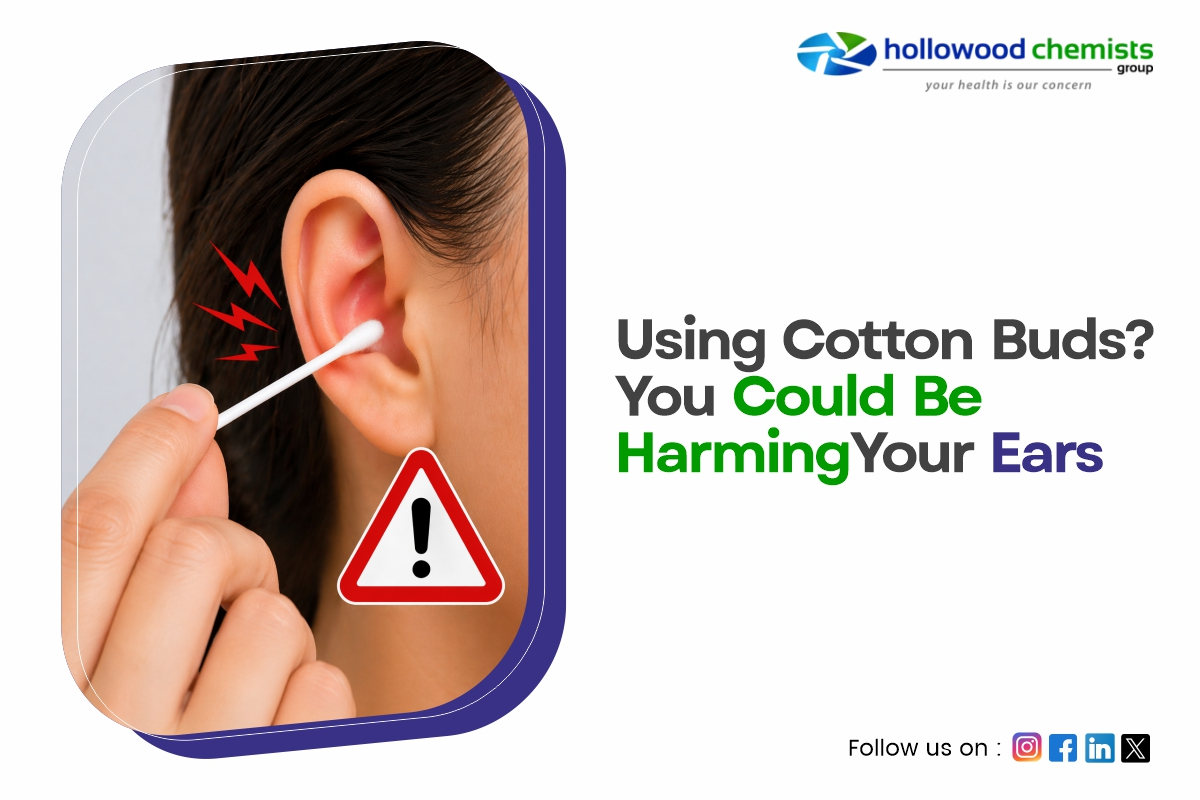
Using Cotton Buds? You Could Be Harming Your Ears

Cotton Buds Are Damaging Your Ears, Here’s What to Do Instead

Cotton Buds Are Damaging Your Ears, Here’s What to Do Instead

It is one of those habits that feels completely harmless and makes your ears feel clean. You step out of the shower, reach for a cotton bud, and give your ears a quick clean. Millions of people in the UK do exactly this every day. The problem is, according to the NHS, ENT UK, and many other major hearing organisations in the country, it can do more harm than good. 

This article explains why cotton buds cause more harm than good, what actually happens inside your ear canal when you use one, and,  critically,  what you should do instead if your ears feel blocked, itchy, or muffled.

Why Do People Use Cotton Buds to Clean Their Ears?

The answer is largely cultural. Earwax has long been perceived as something dirty,  a sign that the ears need a good clean. Cotton buds are cheap, widely available, and packaged in a way that implies they are designed precisely for this purpose. When you run one around the entrance to your ear canal and pull it out coated in dark wax, it genuinely looks as though it has worked.

The reality is quite different. Earwax or cerumen is not a sign of dirtiness. It is a natural, protective secretion produced by glands in the outer ear canal. It traps dust and foreign particles, carries mild antibacterial properties, and lubricates the delicate skin lining of the canal. In most people, it migrates outwards on its own through the ordinary movement of the jaw whilst chewing and speaking. The ears are, in most circumstances, entirely self-cleaning. Interfering with that process does not help,  it disrupts it. Ear Wax Removal service

The Hidden Dangers of Cotton Buds: What Really Happens Inside Your Ear

When a cotton bud is inserted into the ear canal, it does not scoop out wax,  it compresses and pushes it deeper towards the eardrum. Hull University Teaching Hospitals NHS Trust is explicit in its patient guidance: cotton buds push wax further down the ear canal, leading to impaction, and the cotton portion of the bud can detach and lodge inside the canal, causing infection. Here is what can go wrong:

  1. Wax impaction. Rather than clearing blockages, cotton buds pack wax harder against the eardrum, making the build-up significantly more difficult to remove and transforming a minor issue into one requiring professional treatment.
  2. Eardrum perforation. The eardrum sits just 2.5 cm inside the ear canal,  closer than most people realise. Inserting a cotton bud, particularly when distracted or startled, risks puncturing this delicate membrane. A perforated eardrum causes sharp pain, hearing loss, and can lead to serious middle-ear infections.
  3. Ear canal infection (otitis externa). Scratching the lining of the ear canal,  even microscopically, creates entry points for bacteria and fungi. Guy’s and St Thomas’ NHS Foundation Trust identifies cotton bud use as a primary cause of otitis externa, the painful outer ear infection often called swimmer’s ear.
  4. Increased wax production. The ear’s response to foreign object intrusion is to produce more wax. Using cotton buds regularly can actually cause the very build-up you are trying to prevent.
  5. Cotton fibre retention. Fibres from the bud can detach and accumulate inside the canal, contributing to blockages, chronic irritation, and inflammation.

According to ENT UK and NHS data cited by Hearology, thousands of people in the UK require treatment every year for ear injuries caused by cotton buds, including scratched canals and perforated eardrums, with children and older adults at particular risk. It is why cotton bud packaging in the UK is required to carry the instruction: “do not insert into the ear canal.” Most people never read it.

Book an Ear Wax Removal Appointment at Hollowood Chemists

Ear Wax Removal Across North West England: Serving Your Community

If you are looking for ear wax removal near me in the North West UK, whether you need a walk-in ear wax removal pharmacy, a same-day earwax removal appointment, or want to find a private ear wax removal clinic without a lengthy NHS wait, Hollowood Chemists has you covered across the region.

We provide safe and effective microsuction earwax removal to patients across North West England, including:

Download the Complete List of Our Pharmacies

Safe and Effective Microsuction Ear Wax Removal: The Professional Solution

When professional earwax removal is required, microsuction is the method most widely recommended by audiologists and ENT specialists across the UK. It is a dry and highly precise procedure, performed under direct visualisation using a fine, low-pressure suction probe alongside an illuminated magnifying scope-eliminating the need for water and reducing uncertainty during treatment.

In the North West of England, Hollowood Chemists also offer private earwax removal services using microsuction, providing a safe, clinically guided option for patients seeking prompt and effective care.

Microsuction carries a wide eligibility range compared to other ear wax removal methods. Metal syringe method (ear syringing) was removed from NICE guidance in 2018 due to the risk of eardrum perforation and modern electronic ear irrigation still l cannot be used in patients with perforated eardrums or histories of ear surgery. With microsiction, the clinician sees the ear canal throughout, which means nothing is ever removed blindly.

Ear Wax Removal Aftercare

Following microsuction, mild temporary dizziness or a brief sense of canal sensitivity is normal and settles quickly. Keep the ear dry for 24 to 48 hours where possible, avoid swimming, and if you wear hearing aids, allow a short adjustment period as your hearing recalibrates. If you experience significant pain, ongoing dizziness, or any discharge after the procedure, contact your pharmacist or GP.

Professional Ear Care Without the Wait

Clinically safe microsuction by trained healthcare professionals, delivering trusted ear care across North West England.


What Should You Do Instead? Safe Alternatives for Ear Cleaning

For the vast majority of people, the ears simply do not need cleaning. However, if wax has built up and is causing symptoms such as muffled hearing, a sense of fullness, tinnitus, earache, or dizziness, then there are safe options to try at home before seeking professional care.

Step 1: Olive Oil Ear Drops

Medical-grade olive oil, available from any pharmacy as a spray or drop is the first-line recommendation from NHS Inform and BSW ICB commissioning guidance for softening ear wax.

Apply two to three drops or one to two sprays into the affected ear, twice daily, for up to two weeks. This softens and loosens the wax, helping the ear to expel it naturally. Sodium bicarbonate ear drops are also available and are effective at breaking down harder wax, though they should only be used for two to three weeks at a time as they can occasionally dry out the canal lining.

Step 2: Warm Water When Showering

Allowing a gentle flow of warm water from a shower into the outer ear whilst bathing can assist with natural wax migration. Never direct a pressurised jet into the canal. After washing, tilt your head to each side to allow water to drain, and let the ear dry naturally. Avoid inserting anything to dry the inside of the canal.

Step 3: Know When to Stop and Seek Help

If drops and warm water have not resolved your symptoms after two weeks, or if you have pain, discharge, or notable hearing loss, it is time for professional ear cleaning. Do not persist with home remedies beyond this point,  and under no circumstances try ear candles. There is no clinical evidence they work, and they carry a genuine risk of burns.

Also Read: Ear Wax Removal and Hearing Health

Why Choose Hollowood Chemists for Earwax Removal?

At Hollowood Chemists, our trained pharmacists deliver microsuction ear wax removal as part of our dedicated ear wax removal service across North West England including St Helens, Wigan, Bolton, Sale, Northwich, Crewe and Staffordshire. Every appointment starts with a brief clinical review and video otoscope examination,  so you can actually see the blockage on screen before treatment begins. The microsuction itself takes only a few minutes per ear and is, for the overwhelming majority of patients, entirely comfortable. In most cases, hearing improvement is immediate.

Our ear wax removal appointments do not require a GP referral, and same-day slots are often available. Whether you are a hearing aid user experiencing feedback and muffled sound, someone whose blocked ears have not responded to drops, or you simply want safe, fast ear cleaning from a qualified professional,  we are here to help.

Frequently Asked Questions

Q1. Why are cotton buds bad for ears?

Cotton buds do not remove earwax,  they push it deeper into the ear canal, risking impaction against the eardrum. They can also scratch the delicate canal lining, cause infection, perforate the eardrum, and trigger the ear to produce even more wax. Every major UK health body, including the NHS and ENT UK, advises against inserting cotton buds into the ear canal.

Q2. How do I remove earwax blockage fast?

For fast, safe relief, start with olive oil drops twice daily for up to two weeks. If that does not resolve the blockage, microsuction at a professional ear wax removal clinic such as Hollowood Chemists is the quickest and safest option,  with same-day appointments often available across North West England.

Q3. Can earwax cause headaches?

Yes,  indirectly. Pressure from impacted wax against the eardrum can produce referred pain that radiates to the jaw, temples, and across the head. If you are experiencing unexplained headaches alongside any ear symptoms, have your ears assessed by a pharmacist or GP before exploring other causes.

Q4. Is microsuction safe for ear wax removal?

Yes. Microsuction is widely regarded as the safest professional method for earwax removal available in the UK. It is a dry procedure performed under direct visualisation, making it the preferred choice for patients who cannot have water-based irrigation,  including those with perforated eardrums, a history of ear surgery, or recurrent ear infections.

Q5. What drops are recommended for blocked ears?

Medical-grade olive oil spray (such as Earol) is the first-line NHS recommendation for softening ear wax. Sodium bicarbonate drops are also effective for harder wax. Neither should be used if you have a perforated eardrum. Ask your pharmacist if you are unsure which is appropriate for you.


Earwax Removal – Frequently Asked Questions


Medical Disclaimer

This article is for informational purposes only and does not constitute medical advice. Always consult a qualified healthcare professional before starting, stopping, or combining any medications.

References


Safe Use of Period Delay Tablets & Contraceptive Pills

Period Delay and the Contraceptive Pill: Can You Use Both? A Pharmacist Explains

Period Delay and the Contraceptive Pill: Can You Use Both? A Pharmacist Explains

Planning a holiday, a wedding, or an important event and wondering whether you can delay your period? It is one of the most common questions our pharmacists are asked. The answer, however, depends largely on what contraception you currently use, and getting this wrong can cause unnecessary hormonal disruption. This guide covers the key clinical points clearly, so you know exactly where you stand.

What Tablet Stops Your Period? The UK Option Explained

In the UK, Norethisterone (brand names Primolut N and Utovlan) is the only medication licensed specifically for menstrual delay. It is a synthetic progestogen taken at 5 mg three times daily, started at least three days before a period is expected. According to NHS Specialist Pharmacy Service (SPS) guidance published, it can be used for up to three to four weeks, and bleeding typically follows within two to three days of stopping.

However, Norethisterone is not suitable for everyone, and critically, it is is generally not recommended alongside hormonal contraception due to increased hormone exposure and associated risks.

If you’re unsure which option is suitable for you, our pharmacists can assess your eligibility and provide treatment where appropriate. Book a consultation here.

Can I Take The Contraceptive Pill To Delay My Period?

If you already take the combined contraceptive pill, you do not need to take anything extra. What you experience each month is a withdrawal bleed, not a true period, and it can be postponed simply by adjusting how you take your existing packs. Adding Norethisterone on top of the combined pill is not appropriate, both contain progestogens, and stacking them increases the risk of side effects such as breakthrough bleeding, mood changes, and a small but real raised risk of venous thromboembolism (VTE).

Norethisterone is also partially metabolised into ethinyl oestradiol in the body, meaning combining it with a pill that already contains synthetic oestrogen adds an unpredictable level of hormonal exposure.

How Can I Delay My Period With the Pill? Running Pill Packs Back to Back

The recommended method for combined pill users is to run packs back to back, skipping the usual seven-day pill-free interval, or discarding any inactive dummy tablets in 28-day packs. The approach differs slightly depending on your pill type:

Monophasic Pills (e.g., Microgynon, Rigevidon)

These contain the same hormone dose in every active tablet, so they can be taken continuously or “tricycled”, running three packs before allowing a four to seven-day break. NHS SPS guidance supports this as a recognised extended-use regimen. Breakthrough bleeding is more common during the first few months, but it is not harmful.

Biphasic and Triphasic Pills (e.g., Logynon, Synphase)

Because hormone levels vary across these packs, they cannot simply be run straight through. NHS SPS advises finishing the first pack, then starting with only the final phase tablets from the next pack, discarding the earlier pills. If you are unsure which type you take, check the patient information leaflet or ask your pharmacist.


Period Delay Pills & Tablets

Can I Switch To, Or Start, The Combined Contraceptive Pill To Delay My Period?

The Progestogen-Only Pill (Mini Pill)

The progestogen-only pill (POP) is taken every day with no break, and it tends to produce irregular or absent bleeds rather than a predictable monthly cycle. It cannot be reliably used to prevent periods, and Norethisterone must not be added alongside it due to progestogen stacking. NHS SPS guidance acknowledges that switching from the POP to a monophasic combined pill may be considered, but this requires a proper clinical assessment. Switching contraceptives unilaterally and at short notice is not something to do without advice.

Starting the Combined Pill Just for Period Delay

For women not on any hormonal contraception who simply want tablets to stop their period for a holiday, Norethisterone remains the more appropriate short-term option, provided there are no contraindications. Starting the combined pill solely for period delay is generally not recommended, as it contains oestrogen and requires a full clinical review to confirm it is safe for you personally.


Book Period Delay Consultation


What If You Have a Coil or Contraceptive Implant?

This depends on the type of coil. If you have a copper IUD, which contains no hormones, Norethisterone can generally be used alongside it, subject to the usual individual contraindications. Clinical guidance indicates that Norethisterone is compatible with non-hormonal contraceptive methods including the copper coil.

If you have a hormone-releasing IUS such as Mirena or Kyleena, or a contraceptive implant such as Nexplanon, Norethisterone is generally not recommended and requires clinical assessment. Both already release a progestogen continuously, and adding Norethisterone constitutes the same progestogen stacking problem outlined above. Many women with a hormonal IUS find their periods become very light or stop altogether over time, meaning period delay medication may not even be necessary.

If you have an implant or hormonal IUS and do still experience regular bleeds, please speak with a GP or sexual health clinician rather than self-treating.

Safety and Hormonal Considerations You Should Know

Norethisterone is generally safe for short-term use in healthy women, but there are important clinical points to be aware of:

  • VTE risk: Raised in women who smoke, have a BMI over 30, or have a personal or family history of blood clots. A clinical review is essential in these cases.
  • Not a contraceptive: At the 5mg period delay dose, Norethisterone does not prevent pregnancy. Use barrier methods throughout if you are not otherwise protected.
  • Timing: It must be started at least three days before your period is expected. Starting it too late significantly reduces effectiveness.
  • Drug interactions: Anti-epileptic drugs (e.g., carbamazepine), anti-TB medication, and certain HIV treatments can reduce its effectiveness. Always declare all current medicines.
  • Common side effects: Spotting, breast tenderness, nausea, and bloating. These typically resolve once the course ends.

Period Delay Consultations Across North West England

If you are looking for a period delay consultatio near you in North West UK, Hollowood Chemists provides confidential, professional advice without the need for a GP referral. We serve communities across the region, including St Helens (Garswood, Heatons, Millfields, Haydock, and Bradlegh), Wigan (Moorside, Mesnes, Ince, and Blackhorse/Blackrod), Bolton (Market), Trafford (Sale and Village), Northwich (Barnton), Crewe, and Clayton in Staffordshire.


Download   Complete List of Our Pharmacies


Our pharmacists can assess your suitability, explain your options clearly, and ensure any menstrual delay treatment is appropriate for your individual circumstances. Walk in to any branch or visit our website to book a period delay appointment.

Frequently Asked Questions

Q1. Can I take Norethisterone if I’m already on the combined pill?

No. Norethisterone should never be combined with the combined pill, patch, or vaginal ring. If you take a combined pill and want to avoid a withdrawal bleed, run your packs back to back instead.

Q2. What is the best medicine for menstrual delay in the UK?

Norethisterone 5mg is the only UK-licensed medication specifically for menstrual delay. For combined pill users, running packs consecutively is the clinically recommended alternative. The right choice depends on your contraception and medical history.

Q3. How far in advance do I need to take period delay tablets?

Norethisterone must be started at least three days before your expected period. Starting it too late, or after bleeding has begun, significantly reduces its effectiveness.

Q4. Does period delay affect fertility long term?

No. Short-term use of Norethisterone for period delay does not affect long-term fertility. Your period should return within two to three days of stopping, and your normal cycle resumes thereafter.

Q5. Can I delay my period on the mini pill?

No. The progestogen-only pill cannot reliably prevent or delay a period, and Norethisterone must not be taken alongside it. Speak to a pharmacist or GP about alternative options, including switching to a combined pill.


Medical Disclaimer

This article is for informational purposes only and does not constitute medical advice. Always consult a qualified healthcare professional before starting, stopping, or combining any medications.

References