Hollowood Chemists

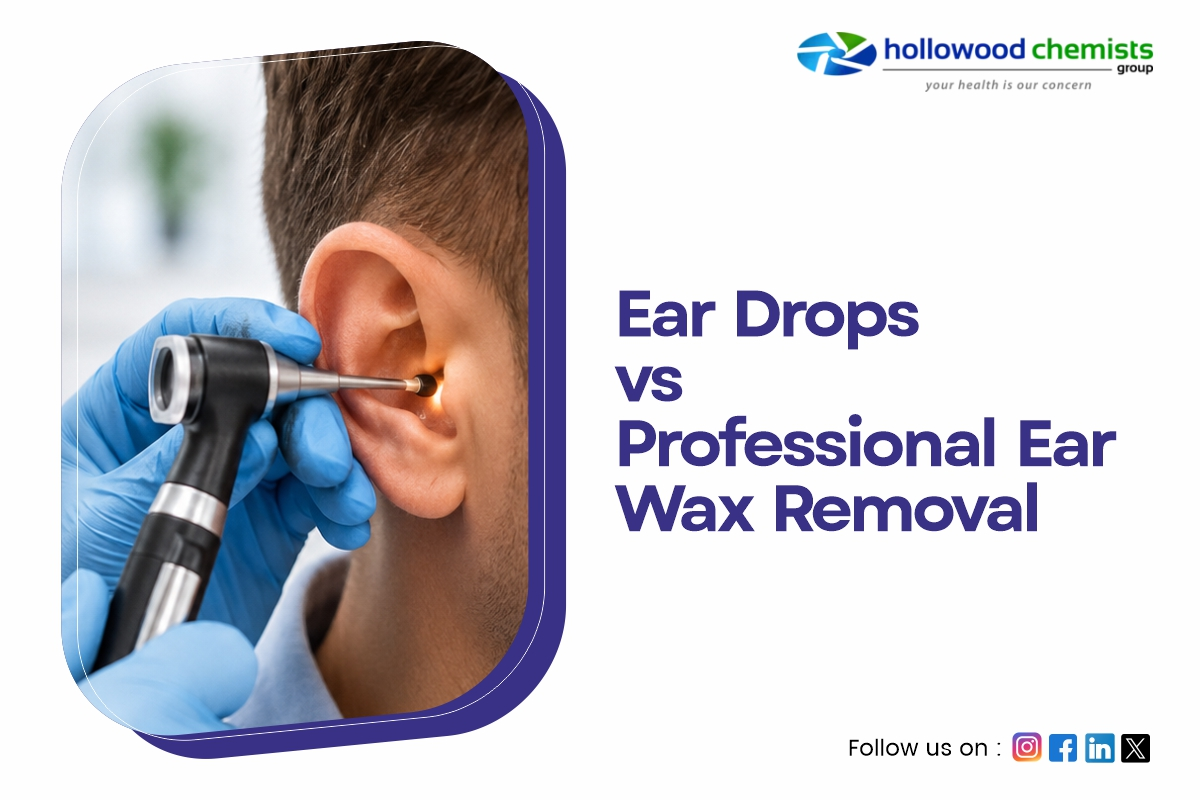
Ear Drops vs Professional Ear Wax Removal: Which Works Best?

Ear Drops vs Professional Ear Wax Removal: Which Works Best?

Ear Drops vs Professional Ear Wax Removal: Which Works Best?


Ear wax plays an important role in protecting your ears, but when too much builds up, it can cause discomfort, temporary hearing loss and blocked ears. Many people first try ear drops for ear wax, while others choose
professional ear wax removal for quicker relief.

In this guide, we’ll compare the most common ear wax removal methods, explain when ear wax removal drops may help, and discuss when it’s time to consider professional treatment.

At Hollowood Chemists, we offer expert advice on ear care and provide a professional ear wax removal service using safe and effective microsuction technology at selected branches.

Why Does Ear Wax Build Up?

Several factors can increase the likelihood of ear wax build-up, including:

  • Naturally narrow ear canals.
  • Wearing hearing aids or earplugs.
  • Regular use of earbuds or headphones.
  • Age-related changes that make ear wax drier.
  • Producing more ear wax than average.
  • Using cotton buds, which can push wax deeper into the ear.

Attempting to remove wax with cotton buds or other objects may make the blockage worse and increase the risk of injury.

Symptoms of Blocked Ear Wax

A build-up of ear wax doesn’t always cause symptoms, but when it does, they can affect hearing and everyday comfort.

Common symptoms include:

  • Blocked ears from ear wax
  • Ear feels blocked
  • Temporary hearing loss due to ear wax
  • Ear pressure from wax
  • Ringing in the ears (tinnitus from ear wax)
  • Mild dizziness or balance problems
  • Ear discomfort
  • Itching inside the ear

These symptoms can also be caused by other ear conditions, so it’s important to seek professional advice if symptoms persist or worsen.

Ear Drops for Ear Wax

For many people, ear wax removal drops are the first treatment they try at home.

These drops are designed to soften hardened wax so that it can move out of the ear naturally or be removed more easily during professional treatment.

Ear drops often work well for small or soft wax build-ups, but they may not completely remove impacted ear wax or long-standing blockages.

Types of Ear Wax Removal Drops

Several products are commonly recommended to soften ear wax.

These include:

  • Olive Oil Ear Drops

Olive oil helps soften ear wax and is commonly recommended before professional ear wax removal.

  • Sodium Bicarbonate Ear Drops

Sodium bicarbonate ear drops may help break down hardened wax and are often used for several days before treatment.

  • Earol® Spray

Earol spray is an olive oil-based spray designed to soften wax and make natural removal easier.

Your pharmacist can recommend the most suitable ear wax softening drops based on your symptoms and medical history.


EarWax Removal Consultation 


How Long Do Ear Drops Take to Work?

Although this varies from person to person, ear drops are typically used for 3 to 5 days, or as directed by a healthcare professional.

Softening the wax before professional removal can make treatment quicker and more comfortable.

It’s important to use the drops exactly as instructed and avoid overusing them unless advised by a healthcare professional.

Also Read: What Causes Ear Wax Build-Up and When to See a Pharmacist

Can Ear Drops Remove Impacted Ear Wax?

Sometimes – but not always.

If the wax is deeply impacted or has built up over a long period, ear drops may soften the wax without removing it completely.

Many people notice that:

  • Their hearing does not improve.
  • The ear still feels blocked.
  • Symptoms continue after several days.

In these situations, professional ear wax removal treatment is often the safest and most effective option.

Ear Drops vs Professional Ear Wax Removal

Choosing between home treatment and professional care depends on your symptoms and the severity of the blockage.

Feature Ear Drops Microsuction Ear Irrigation
Purpose Softens ear wax and may support natural clearance Physically removes wax using gentle suction and direct vision Flushes wax out using warm water
Suitable for impacted wax May soften but not fully clear Yes, in many cases and following assessment Maybe, depends on the individual
Immediate results Usually no Usually yes Often yes
Requires appointment No Yes Yes
Limitations May temporarily worsen blocked sensation Can cause discomfort, noise, dizziness, or minor ear canal bleeding Not suitable for all patients and can cause discomfort and dizziness
Performed by a trained professional No Yes Yes

For many patients with significant wax build-up, microsuction ear wax removal offers quicker symptom relief because the wax is removed during the appointment rather than relying on it to clear naturally.


EarWax Removal Consultation 


Should You Use Ear Drops Before Microsuction?

In many cases, yes.

Using ear wax softening drops for several days before microsuction ear wax removal can:

  • Soften hard wax.
  • Make removal easier.
  • Reduce treatment time.
  • Improve patient comfort.

However, not everyone should use ear drops. For example, they may not be suitable if you have:

  • A perforated eardrum.
  • Ear surgery in the past.
  • An ear infection.
  • Persistent ear pain or discharge.

If you’re unsure, speak with a pharmacist or ear care professional before starting treatment.

At Hollowood Chemists, our pharmacy team can advise whether ear drops are appropriate before your appointment and answer any questions about preparing for professional ear wax removal.

What Happens If Ear Drops Don’t Work?

While ear drops for ear wax are effective for many people, they don’t work in every situation.

You should consider seeking professional assessment if:

  • Your ear still feels blocked after several days.
  • Your hearing remains reduced.
  • You develop ear pain.
  • You experience dizziness.
  • Symptoms continue despite using ear drops correctly.

Persistent symptoms may indicate impacted ear wax or another ear condition that requires examination.

Rather than continuing to use home remedies repeatedly, a professional assessment can identify the cause and recommend the most appropriate treatment.

Why Professional Ear Wax Removal Is Often the Better Choice

While ear wax removal drops can help soften wax, they may not always remove a blockage completely, particularly if the wax is hard, impacted or has built up over time. In these cases, professional ear wax removal is usually the safest and most effective solution.

At Hollowood Chemists, we provide a private ear wax removal service  across the North West in Staffordshire, Crewe, Northwich, Sale, Bolton, Wigan and St Helens( Find Your Nearest Branch ), using microsuction, a modern technique that gently removes excess wax under direct visual guidance. Unlike traditional ear syringing, microsuction does not rely on flushing water into the ear and is widely regarded as a safe and precise method when carried out by trained professionals.

Benefits of Professional Ear Wax Removal at Hollowood Chemists

  • Performed by trained healthcare professionals.
  • Safe and effective microsuction ear wax removal.
  • Suitable for many cases of impacted ear wax.
  • No water is used during the microsuction procedure.
  • Ear examination before treatment to assess the blockage.
  • Advice on ongoing ear care and preventing future wax build-up.
  • Convenient appointments at selected Hollowood Chemists branches.

If your ears feel persistently blocked or you’ve tried home treatments without success, professional removal can provide faster relief and help restore hearing.


Book Appointment now


Risks and limitations of microsuction

The article currently describes benefits extensively but does not give a balanced account of potential adverse effects. Add a brief paragraph:

Microsuction is generally well tolerated, but it can occasionally cause temporary discomfort, dizziness, increased tinnitus, minor bleeding or irritation of the ear canal. The procedure may need to be stopped if the wax is too hard, too close to the eardrum or cannot be removed comfortably. A clinician should explain the benefits, limitations and potential risks before treatment.

When Should You Choose Professional Ear Wax Removal?

Home treatments are suitable for mild wax build-up, but there are situations where professional care is recommended.

Consider booking an appointment if you have:

  • Persistent blocked ears from ear wax
  • Hearing loss due to ear wax
  • Recurrent ear wax build-up
  • Ear pressure caused by wax
  • Ringing in the ears (tinnitus from ear wax)
  • Dizziness associated with wax build-up
  • Ear drops that haven’t worked after several days
  • Difficulty wearing hearing aids because of wax

Microsuction vs Home Remedies

Many people attempt to remove ear wax themselves, but home remedies are not always effective and, in some cases, may make the problem worse.

Home Remedy Is It Recommended? Why?
Olive oil drops ✅ Yes Helps soften ear wax before natural removal or microsuction.
Ear wax softening drops ✅ Yes May soften mild or moderate wax build-up.
Cotton buds ❌ No Can push wax deeper into the ear canal and increase the risk of injury.
Ear candles ❌ No Not recommended due to safety concerns and lack of evidence.
Hairpins or other objects ❌ No Can damage the ear canal or eardrum.
Professional microsuction ✅ Yes Safe, precise and effective when performed by trained professionals.

If you’re unsure which option is right for you, seek pharmacist advice before trying to remove ear wax yourself.

Read: DIY Ear Wax Removal vs Professional Treatment

Can a Pharmacist Recommend Ear Drops for Ear Wax?

Yes. A pharmacist can assess your symptoms and recommend appropriate ear drops for ear wax if they are suitable for your situation.

Depending on your symptoms, they may advise:

  • Olive oil drops
  • Sodium bicarbonate ear drops
  • Earol® spray
  • Whether ear drops should be used before microsuction

At Hollowood Chemists, our pharmacists can also advise whether your symptoms suggest you may benefit from professional ear wax removal treatment instead of continuing with home remedies.


Book Appointment now


Additional red flags

Before encouraging patients to book wax removal, advise urgent or prompt clinical assessment for:

  • Sudden or rapidly worsening hearing loss
  • Significant ear pain
  • Discharge or bleeding
  • Recent ear injury
  • Severe or persistent dizziness
  • Facial weakness
  • Symptoms affecting only one ear without confirmed wax
  • Fever or systemic illness

This helps prevent patients with sudden sensorineural hearing loss, infection or another ear disorder being routed straight into a wax-removal appointment.

Read: Ear Wax Problems During Summer Holidays: How to Prevent Blocked Ears While Travelling


Final Thoughts

When comparing ear drops vs professional ear wax removal, there is no one-size-fits-all answer. Ear wax removal drops are often a good first step for mild wax build-up, helping to soften wax and support its natural removal. However, if your ears remain blocked, your hearing is affected or the wax is impacted, professional ear wax removal is usually the more effective solution.

At Hollowood Chemists, we offer expert advice on ear care alongside a private microsuction ear wax removal service at selected branches. Our trained healthcare professionals can assess your ears, recommend the most appropriate treatment and help you maintain good hearing health with safe, effective ear wax removal.


Frequently Asked Questions

1. Are ear drops better than professional ear wax removal?

Ear drops are useful for softening ear wax and may help with mild build-up. However, professional ear wax removal, particularly microsuction, is generally more effective for impacted or stubborn ear wax because the wax is removed during the appointment.

2. Do ear drops remove impacted ear wax?

Not always. Ear drops can soften impacted wax, but they may not remove it completely. If symptoms persist after several days, professional assessment is recommended.

3. How long do ear drops take to soften ear wax?

Most ear wax softening drops are used for 3 to 5 days, although you should always follow the instructions provided with the product or the advice of your pharmacist.

4. Can ear drops make ear wax worse?

Occasionally, softened wax may temporarily move within the ear canal, making the ear feel more blocked before it improves. If symptoms worsen or continue, stop using the drops and seek professional advice.

5. Is microsuction more effective than ear drops?

For significant or impacted ear wax, microsuction is often more effective because it removes the wax directly rather than relying on it to leave the ear naturally.

6. Should I use ear drops before ear wax removal?

In many cases, yes. Softening the wax before microsuction can make removal easier and more comfortable. However, ear drops may not be suitable for everyone, so it’s best to follow the advice of your healthcare professional.


Medical Disclaimer

This article is intended for educational purposes only and does not replace personalised medical advice. Always speak to a qualified healthcare professional before starting or changing any weight-loss treatment.

References

    1. NHS – Earwax Build-up
      https://www.nhs.uk/conditions/earwax-build-up/
    2. NICE Clinical Knowledge Summary – Earwax
      https://cks.nice.org.uk/topics/earwax/
    3. National Institute for Health and Care Excellence (NICE)
      https://www.nice.org.uk/
    4. British Society of Audiology – Ear Wax Guidance
      https://www.thebsa.org.uk/


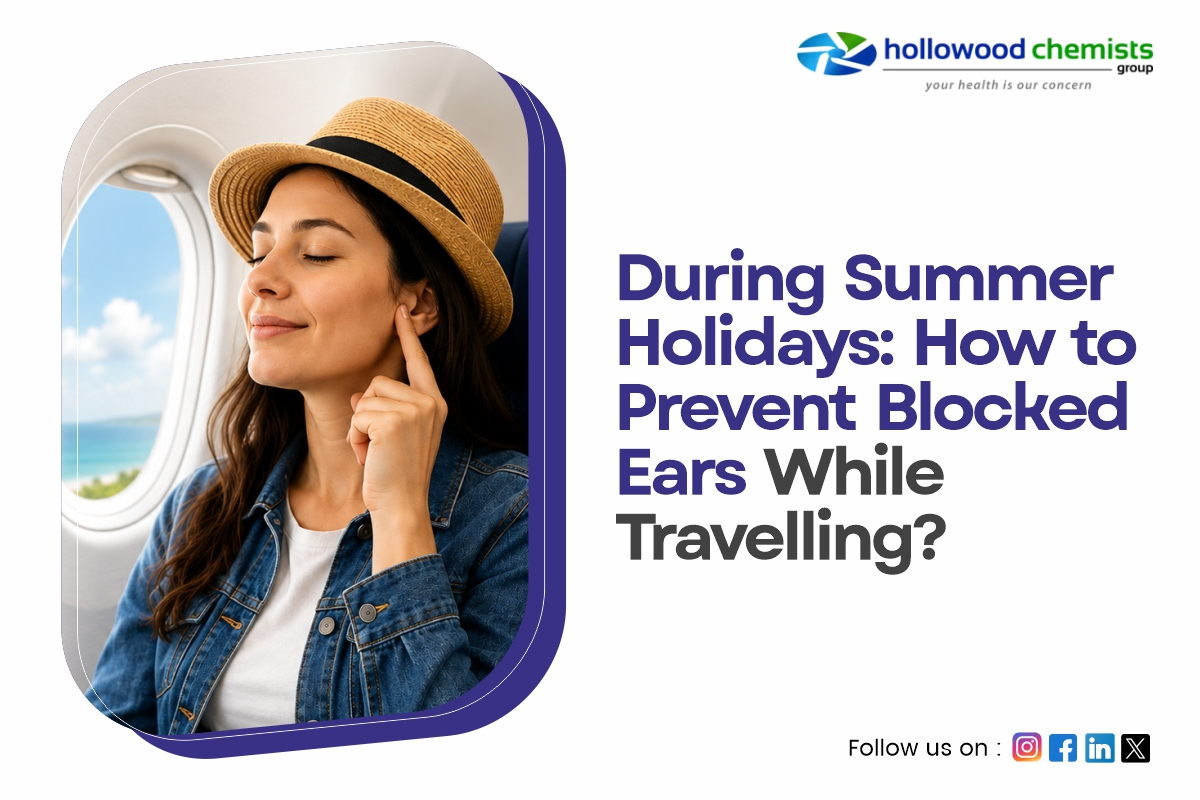
Ear Wax Problems During Summer Holidays: How to Prevent Blocked Ears While Travelling

Ear Wax Problems During Summer Holidays: How to Prevent Blocked Ears While Travelling

Ear Wax Problems During Summer Holidays: How to Prevent Blocked Ears While Travelling

Summer holidays are the perfect time to relax, swim, and explore new destinations. However, changes in climate, frequent swimming, and air travel can sometimes lead to unexpected ear wax problems, leaving your ears feeling blocked or uncomfortable.

Many people notice ear wax build-up or blocked ears on holiday, especially after spending time in the water or taking long flights. While ear wax is a natural part of your ear’s defence system, excessive build-up can affect hearing and make travelling less enjoyable.

If you’ve ever wondered, Why do my ears feel blocked during summer holidays?” or “Can swimming cause ear wax build-up?, this guide explains the common causes, how to prevent problems, and when professional ear wax removal may be the best solution.

At Hollowood Chemists, we offer expert ear care advice, professional microsuction ear wax removal, and travel health services to help you enjoy your holiday without avoidable ear problems.

Why Do Ear Wax Problems Get Worse During Summer?

Although ear wax (also known as cerumen) protects the ear canal by trapping dust, dirt and bacteria, certain summer activities can increase the likelihood of wax becoming impacted.

Common reasons include:

  • Frequent swimming
  • Increased humidity and hot weather
  • Long-haul flights
  • Wearing earphones during travel
  • Using earplugs while swimming
  • Existing ear wax build-up before travelling

These factors may not increase the amount of ear wax you produce, but they can make existing wax swell, shift or become more noticeable, leading to symptoms such as blocked ears or reduced hearing.

Can Hot Weather Affect Ear Wax?

Hot weather does not appear to directly increase earwax production. However, humid conditions, sweating, swimming and prolonged use of earplugs or earbuds may contribute to moisture, irritation or a blocked-ear sensation, particularly when wax is already present.

Summer activities also tend to involve more time outdoors, increased sweating and greater use of earphones or earbuds, all of which may contribute to ear discomfort if wax is already present.

Maintaining good ear hygiene and avoiding inserting objects into the ear can help reduce the risk of problems.

Does Swimming Cause Ear Wax Problems?

Swimming is one of the most common reasons people experience ear discomfort during the summer.

Many people search:

  • Can swimming cause ear wax build-up?
  • Blocked ear after swimming
  • Ear wax after swimming

Swimming does not cause the ear to manufacture more wax. However, water can sometimes become trapped around or behind an existing wax blockage, and wet wax may expand or shift, making hearing feel temporarily more blocked, resulting in:

  • Blocked ears
  • Temporary hearing loss
  • Ear fullness
  • Ear pressure
  • Mild discomfort

If water becomes trapped behind impacted wax, symptoms may persist until the blockage is removed.


Ear Wax Removal Service


Swimmer’s Ear vs Ear Wax

It’s important to understand that not every blocked ear after swimming is caused by ear wax.

Swimmer’s ear (otitis externa) is an infection of the outer ear canal that often develops after water remains trapped in the ear.

Common symptoms of swimmer’s ear include:

  • Ear pain
  • Itching
  • Redness
  • Ear discharge
  • Pain when touching the ear
  • Swelling

In contrast, ear wax symptoms are more likely to include:

  • Ear fullness
  • Blocked hearing
  • Mild discomfort
  • Tinnitus from ear wax
  • Feeling that the ear is “plugged”

If you’re unsure which condition you have, a pharmacist or healthcare professional can examine your ear and recommend appropriate treatment.


Read: Ear Wax Removal and Hearing Health: What Causes Ear Wax Build-Up

Flying with Blocked Ears

Air travel can also make ear wax problems more noticeable.

During take-off and landing, pressure changes require the ears to equalise naturally through the Eustachian tubes. If the ear canal is already partially blocked by impacted ear wax, this pressure adjustment may feel more uncomfortable.

People often experience:

  • Ear pressure on flights
  • Ear popping
  • Temporary hearing changes
  • Ear discomfort
  • Blocked ears after flying

Many travellers ask:

  • Can ear wax make flying painful?
  • Flying with impacted ear wax
  • How to unblock ears after flying?

Although pressure changes themselves don’t create ear wax, existing blockages can make pressure sensations more noticeable.

If you already have symptoms before travelling, arranging ear wax removal before flying may help reduce the likelihood of discomfort during your journey.


Ear Wax Removal appointment


How Summer Activities Affect Your Ears

Summer Activity Possible Effect on Ear Health Prevention Tips
Swimming Water may swell existing ear wax or contribute to swimmer’s ear Dry ears gently after swimming and avoid inserting cotton buds.
Flying Pressure changes may worsen symptoms caused by impacted ear wax Consider professional ear wax removal before travelling if you have blocked ears.
Hot weather Existing wax may soften and shift within the ear canal Maintain good ear hygiene and avoid poking inside the ear.
Wearing earbuds May push wax deeper into the ear canal Limit prolonged use and keep earbuds clean.
Using earplugs Can occasionally contribute to wax build-up in some people Clean reusable earplugs regularly and seek advice if you experience recurring blockages.


Symptoms of Ear Wax Build-Up While Travelling

Recognising the signs of ear wax build-up early can help you seek treatment before your holiday is affected.

Common symptoms include:

  • Blocked ears
  • Ear fullness
  • Hearing loss due to ear wax
  • Ear pressure
  • Ear discomfort
  • Tinnitus from ear wax
  • Mild dizziness caused by ear wax
  • Itchy ears

These symptoms often become more noticeable after swimming or flying because changes in moisture or air pressure can affect existing wax.

If symptoms are severe, persistent or accompanied by pain or discharge, seek medical advice promptly, as another ear condition may be responsible.


Also Read: Earwax Removal – Frequently Asked Questions

Can Ear Drops Help Before Travelling?

If you have mild ear wax build-up, ear wax softening drops may help soften the wax before your holiday.

Products such as:

  • Olive oil ear drops
  • Sodium bicarbonate ear drops
  • Ear wax softening sprays

may help prepare the ear for natural wax removal or make professional treatment easier.

However, many people ask:

  • Are ear drops enough before travelling?
  • What should I do if my ears become blocked on holiday?

The answer depends on how much wax is present.

Softening drops may be suitable for minor wax build-up, but they do not always remove impacted ear wax completely. If your hearing is already affected or your ears feel persistently blocked, professional assessment before travelling is often the better option.

At Hollowood Chemists, our pharmacists can advise whether ear drops are appropriate for your symptoms and whether you may benefit from professional microsuction ear wax removal before your trip.

Should You Remove Ear Wax Before Going on Holiday?

If you’ve experienced ear wax problems in the past or already have symptoms such as blocked ears, reduced hearing or ear pressure, it’s worth considering ear wax removal before your holiday.

Travelling with impacted ear wax can make everyday holiday activities less enjoyable, particularly if you plan to swim, snorkel or fly. Water entering the ear or changes in cabin pressure during flights may make existing symptoms more noticeable.

Booking professional ear wax removal before you travel may help if you:

  • Have recurring ear wax build-up.
  • Wear hearing aids or earplugs regularly.
  • Have noticed reduced hearing or ear fullness.
  • Are planning a long-haul flight.
  • Intend to spend a lot of time swimming or taking part in water sports.

Addressing the problem before you travel can help you avoid searching for emergency healthcare while you’re away.

Why Choose Professional Ear Wax Removal Before Your Holiday?

Although ear wax softening drops can be useful for mild wax build-up, they may not remove impacted ear wax completely. If symptoms persist, professional treatment is often the most effective option.

At Hollowood Chemists, we offer a private ear wax removal service using microsuction, a modern technique that gently removes excess wax under direct visual guidance. Unlike traditional ear syringing, Microsuction is a water-free method performed under direct visualisation and is considered one of the safer professional methods when undertaken by one of our trained practitioners.


Travel Clinic


Benefits of Professional Ear Wax Removal

  • Quick and effective removal of excess ear wax.
  • Suitable for many cases of impacted ear wax.
  • Helps improve hearing affected by wax build-up.
  • May reduce ear pressure and feelings of blockage.
  • No water is used during the microsuction procedure.
  • Ear examination before treatment to assess your symptoms.
  • Advice on maintaining healthy ears while travelling.

If you’re searching for ear wax removal service, ear wax removal pharmacy, or a trusted
Ear wax removal clinic in Staffordshire, Crewe, Northwich, Sale, Bolton, St Helens. The experienced team at Hollowood Chemists can help you prepare for your trip with expert ear care.

Read: Ear Drops vs Professional Ear Wax Removal: Which Works Best?

Summer Ear Care Tips While Travelling

Looking after your ears while you’re away can help reduce the risk of wax build-up and other ear problems.

Before You Travel

  • Book an ear examination if your ears already feel blocked.
  • Use ear wax softening drops only if recommended by a healthcare professional.
  • Pack any prescribed ear medication if required.

While Swimming

  • Dry your ears gently with a towel after swimming.
  • Tilt your head to each side to help trapped water drain naturally.
  • Avoid inserting cotton buds or other objects into your ears.
  • Consider ear protection if advised by your healthcare professional.

During Flights

  • Swallow, yawn or chew gum during take-off and landing to help equalise ear pressure.
  • Stay hydrated during your flight.
  • If you already have blocked ears caused by wax, seek advice before travelling rather than waiting until your holiday.

These simple summer ear care tips can help support your hearing health throughout your trip.


Also Read: Cotton Buds Are Damaging Your Ears, Here’s What to Do Instead

Swimmer’s Ear vs Ear Wax Build-Up

Although both conditions can make your ears feel blocked, they have different causes and treatments.

Feature Ear Wax Build-Up Swimmer’s Ear (Otitis Externa)
Cause Excess or impacted cerumen Inflammation or infection of the outer ear canal
Common Symptoms Blocked hearing, ear fullness, tinnitus, mild discomfort Ear pain, itching, redness, swelling and discharge
Often Triggered By Natural wax build-up, earbuds, hearing aids Water remaining in the ear after swimming
Treatment Ear wax softening drops or professional ear wax removal Assessment by a healthcare professional and appropriate treatment
Can Swimming Make It Worse? Yes, existing wax may swell when wet Yes, trapped moisture increases the risk

If you’re unsure which condition you have, it’s important not to self-diagnose. A pharmacist or healthcare professional can examine your ear and recommend the most appropriate treatment.

Can a Pharmacist Help with Blocked Ears?

Yes. A community pharmacist can often advise on the best course of action if your ears feel blocked.

At Hollowood Chemists, our pharmacy team can:

  • Assess your symptoms.
  • Recommend suitable ear wax treatment or softening drops where appropriate.
  • Advise whether professional microsuction ear wax removal may be beneficial.
  • Identify when your symptoms should be referred to a GP or another healthcare professional.
  • Provide travel health advice before your holiday.

If you’re travelling abroad, our Travel Clinic can also offer destination-specific health advice, recommended travel vaccinations where appropriate, and guidance to help you stay healthy while you’re away.

Read: Travel Health Checklist: Vaccines, Medicines & Safety Tips for UK Travellers

When Should You Seek Professional Ear Wax Removal?

It’s advisable to arrange professional assessment if you experience:

  • Persistent blocked ears.
  • Hearing loss due to ear wax.
  • Ear fullness that doesn’t improve.
  • Ear pressure affecting daily activities.
  • Recurrent ear wax build-up.
  • Symptoms that continue despite using ear drops correctly.

Professional treatment may also be worth considering before a holiday if you’re planning to fly or spend a lot of time in the water.


Ear Wax Removal Consultation


Final Thoughts

Summer holidays should be about relaxing, not dealing with blocked ears or hearing problems. While ear wax build-up can often be managed with simple self-care, persistent symptoms may require professional treatment, particularly before flying or spending time in the water.

At Hollowood Chemists, we’re here to help you travel with confidence. Our private microsuction ear wax removal service can help clear troublesome wax before your trip, while our Travel Clinic provides expert travel health advice and destination-specific recommendations to support a safe and enjoyable holiday.

If you’re preparing for your next getaway and experiencing blocked ears, book an appointment with Hollowood Chemists to ensure your ears are ready for your journey.

Frequently Asked Questions

  • Why do ear wax problems get worse during summer?

Summer activities such as swimming, wearing earplugs and travelling by air can make existing ear wax more noticeable. Water may soften and swell wax, while changes in air pressure during flights can increase feelings of blockage.

  • Can swimming cause ear wax build-up?

Swimming doesn’t usually cause more ear wax to be produced, but water can make existing wax swell, leading to blocked ears or reduced hearing.

  • Can flying make blocked ears worse?

Yes. Pressure changes during take-off and landing may make symptoms more noticeable if you already have impacted ear wax.

  • Should I remove ear wax before going on holiday?

If you already have blocked ears, reduced hearing or recurring ear wax build-up, having your ears assessed before travelling may help prevent discomfort during your holiday.

  • How do I prevent ear wax problems while travelling?

Avoid inserting objects into your ears, dry your ears gently after swimming, seek advice if your ears feel blocked before travelling, and consider professional ear wax removal if recommended.

  • Can ear wax cause ear pain on a flight?

It can contribute to increased discomfort because pressure changes may be more difficult to equalise if the ear canal is already blocked with wax.


Medical Disclaimer

This article is intended for educational purposes only and does not replace personalised medical advice. Always speak to a qualified healthcare professional before starting or changing any weight-loss treatment.

References

    1. NHS – Earwax Build-up
      https://www.nhs.uk/conditions/earwax-build-up/
    2. NICE Clinical Knowledge Summary – Earwax
      https://cks.nice.org.uk/topics/earwax/
  1. NHS – Swimmer’s Ear (Otitis Externa)
    https://www.nhs.uk/conditions/ear-infections/
  2. National Institute for Health and Care Excellence (NICE)
    https://www.nice.org.uk/